Struggling with Toenail Fungus? Your Shoes and Socks Could Be Making It Worse (Or Better!)
Toenail fungus, medically known as onychomycosis, is a persistent and often uncomfortable condition that affects millions. While many focus solely on topical treatments or oral medications, a critical, yet often overlooked, aspect of managing and preventing recurrence lies in your daily footwear choices. The environment inside your shoes and socks plays a significant role in either fostering or fighting fungal growth.
Understanding how your shoes and socks interact with your feet, especially when battling a fungal infection, is paramount. This guide, curated by dermatological experts, will delve into the specific characteristics of footwear and hosiery that can help you create a hostile environment for fungus and a healthy haven for your feet.
Understanding Toenail Fungus: More Than Just a Cosmetic Issue
Toenail fungus is not merely an aesthetic concern; it's a medical condition that can lead to discomfort, pain, and even more severe complications if left untreated.
Onychomycosis, commonly known as toenail fungus, is an infection caused by dermatophytes, yeasts, or molds that thrive in warm, dark, and moist environments. Your feet, encased in shoes and socks for much of the day, often provide the perfect breeding ground for these fungi. Symptoms typically include discoloration (yellow, brown, or white), thickening of the nail, brittleness, crumbling edges, and sometimes a foul odor. Beyond the visible changes, fungal infections can cause pain, especially when wearing shoes, and can spread to other nails or even to the skin, leading to conditions like athlete's foot.
The impact of toenail fungus extends beyond physical discomfort. Many sufferers experience embarrassment, leading to a reluctance to expose their feet in public or wear open-toed shoes. This can significantly affect one's quality of life and self-esteem. While effective treatments are available, addressing the root causes and contributing factors, such as **inappropriate footwear**, is crucial for successful eradication and prevention of recurrence. Ignoring the role of your shoes and socks is like trying to dry a leaky boat without patching the hole – you'll be fighting a losing battle against moisture and microbial growth.
Understanding that footwear is a **critical component** of both prevention and management empowers you to make informed choices that actively support your foot health. This comprehensive approach is essential for anyone looking to truly overcome toenail fungus and maintain healthy, clear nails long-term.
💡 Key Takeaway
Toenail fungus thrives in warm, moist environments, and your daily footwear choices significantly influence this habitat. Selecting the right shoes and socks is not just about comfort; it's a crucial, often overlooked, step in preventing and managing fungal infections.
Choosing the Right Shoes: Your First Line of Defense
When you have toenail fungus, or want to prevent it, your shoe selection becomes crucial. It's about more than just style; it's about material, fit, and breathability.
The type of shoes you wear can either exacerbate a fungal infection or create an environment that discourages its growth. The primary goal is to keep your feet as dry and aerated as possible. Therefore, **breathability** is paramount. Shoes made from natural materials like leather, canvas, or mesh are ideal as they allow air to circulate, reducing moisture buildup. Avoid shoes made entirely from synthetic materials like plastic, rubber, or synthetic leather, especially for prolonged wear, as these materials trap heat and moisture, creating a perfect breeding ground for fungi.
Proper **fit** is another critical factor. Shoes that are too tight can put excessive pressure on your toenails, causing micro-traumas that make them more susceptible to fungal invasion. Conversely, shoes that are too loose can lead to friction and rubbing, which can also damage the nails and skin. Ensure there is adequate room for your toes to wiggle comfortably, but not so much that your foot slides around. Look for shoes with good arch support to maintain proper foot mechanics, which indirectly contributes to overall foot health and resilience against infections.
It's also highly recommended to **rotate your footwear**. Wearing the same pair of shoes every day doesn't allow them sufficient time to dry out completely. Fungi can linger in damp shoes, leading to reinfection. Ideally, have at least two pairs of shoes that you can alternate, giving each pair 24-48 hours to air out in a well-ventilated area. Regular **disinfection** of your shoes is also beneficial; antifungal sprays or even UV shoe sanitizers can help kill spores lurking inside. For instance, consider our article on how to cure toenail fungus fast, where the importance of environmental control is further discussed.
Socks That Serve: Keeping Your Feet Dry and Protected
Socks are the direct interface with your skin and nails, making their material and properties incredibly important in the fight against toenail fungus.
Moisture-Wicking Materials
The most crucial characteristic of socks for fungal nail sufferers is their ability to wick away moisture. Materials like merino wool, synthetic blends (polyester, nylon), and bamboo are excellent at drawing sweat away from your skin, keeping your feet dry. This significantly reduces the humid environment fungi need to thrive.
Avoid Cotton at All Costs
While comfortable, cotton socks are a major culprit in fostering fungal infections. Cotton absorbs moisture and holds it against your skin, creating a damp, warm haven for fungi. Switching from cotton to moisture-wicking alternatives is one of the simplest yet most impactful changes you can make.
Antimicrobial Properties
Some specialized socks are infused with antimicrobial agents like silver or copper. These elements naturally inhibit the growth of bacteria and fungi, providing an extra layer of protection against infections. These can be particularly beneficial for individuals prone to recurrent fungal issues.
Proper Fit and Regular Changes
Socks should fit snugly but not be too tight, allowing for proper circulation and preventing bunching that can cause friction. Change your socks daily, or even more frequently if your feet sweat a lot or get wet. Always wear clean, dry socks. Washing socks in hot water with an antifungal additive can also help eliminate spores.
Beyond Footwear: Holistic Approaches to Nail Health
While appropriate shoes and socks are fundamental, a comprehensive strategy for managing toenail fungus involves diligent foot hygiene and smart lifestyle choices.
Optimal foot hygiene is the cornerstone of preventing and managing toenail fungus. Start by washing your feet daily with soap and water, paying close attention to drying them thoroughly, especially between the toes. Any lingering moisture can create an ideal breeding ground for fungi. When trimming your nails, cut them straight across to prevent ingrown toenails, and avoid cutting them too short. Always use clean, sterilized nail clippers and files, and consider having a dedicated set for any infected nails to prevent spreading the fungus.
Be particularly mindful in public areas. Places like communal showers, swimming pools, and gym locker rooms are hotbeds for fungal spores. Always wear flip-flops or water shoes in these environments to protect your feet from direct contact with contaminated surfaces. Furthermore, your overall health can influence your susceptibility to fungal infections. A balanced diet rich in vitamins and minerals, adequate hydration, and a strong immune system can help your body naturally fight off infections. Some studies suggest that probiotics can also contribute to overall immune health, indirectly aiding in the fight against fungal overgrowth.
Addressing existing infections and preventing future ones requires a multi-faceted approach. This includes not only your footwear and hygiene but also being aware of other potential causes or exacerbating factors. For more in-depth solutions, consider reading our article on how to cure toenail fungus fast, which covers a broader range of effective strategies. By integrating these holistic practices into your daily routine, you empower your feet with the best possible defense against fungal invaders.
Essential Shoe Care Tips for Fungal Nail Prevention
Rotate Your Shoes
Never wear the same pair of shoes two days in a row. Allow them at least 24-48 hours to air out and dry completely. This crucial step prevents moisture buildup, which is a prime environment for fungal growth.
Ventilate & Dry
After wearing, place your shoes in a well-ventilated area, preferably outdoors or near a fan. Consider using shoe dryers or inserting cedar shoe trees, which naturally absorb moisture and odors, helping to keep your shoes fresh and dry.
Disinfect Regularly
Spray the inside of your shoes with an antifungal spray or use UV shoe sanitizers to kill lingering spores. This is especially important for athletic shoes or any footwear worn frequently, ensuring you don't reinfect your nails.
Know When to Replace
Old, worn-out shoes can harbor fungus and lose their supportive properties. Replace athletic shoes every 6-12 months, or when they show significant wear and tear. For other shoes, replace them when they can no longer be effectively cleaned or disinfected.
Integrating Footwear with Effective Treatment
Choosing the right shoes and socks creates a supportive environment, but it's crucial to combine this with an effective treatment plan, especially for existing infections.
While proper footwear and meticulous hygiene significantly reduce the risk of new infections and reinfections, they often aren't enough to eradicate an existing, stubborn toenail fungus. This is where effective treatment options come into play. If your fungal infection is persistent, severe, or causing pain, it's always best to consult a healthcare professional. They can accurately diagnose the type of fungus and recommend the most appropriate course of action, which might include prescription topical medications, oral antifungal drugs, or even laser therapy in some cases.
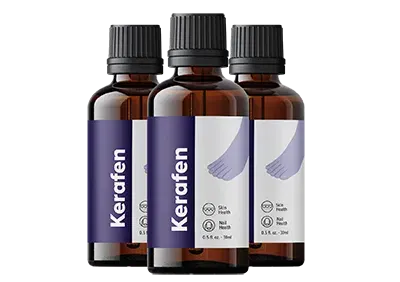
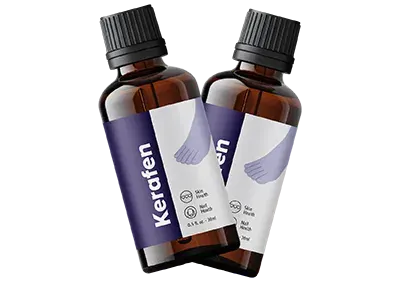
For many, a potent topical solution can be a highly effective first line of defense or a complementary treatment. Kerafen is formulated as a natural and powerful topical solution designed to combat toenail fungus. Its unique blend of ingredients works synergistically to penetrate the nail, target the fungal infection, soothe discomfort, and promote the growth of healthy, clear nails. By applying Kerafen consistently, you provide your nails with the active support they need to heal, while your improved footwear choices ensure the healing environment is maintained.
Understanding the nature of your nail issue is also vital. Sometimes, what appears to be a fungal infection might be another condition. For clarity on symptoms, you can refer to our guide on nail psoriasis vs. nail fungus. Furthermore, in severe, intractable cases, surgical options like toenail removal might be considered. If you're exploring such interventions, our detailed article on toenail removal and recovery can provide valuable insights. Ultimately, the best path to healthy nails involves a combination of smart lifestyle choices, diligent hygiene, and an effective, targeted treatment like Kerafen.
Kerafen: Harnessing Nature's Power for Healthy Nails
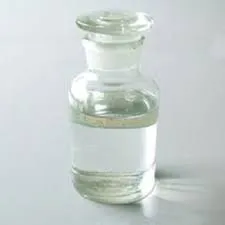
Undecylenic Acid
Role: A potent fatty acid derived from castor oil, Undecylenic Acid is a powerful antifungal agent. It works by disrupting the cell walls of fungi, inhibiting their growth and spread, making it highly effective against various fungal strains.
Typical Concentration: 10%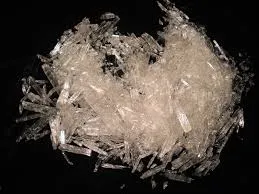
Menthol
Role: Beyond its refreshing scent, Menthol provides immediate cooling relief to irritated skin and nails, reducing itching and discomfort often associated with fungal infections. It also possesses mild antiseptic properties, contributing to a cleaner nail environment.
Typical Concentration: 0.5%
Sweet Almond Oil
Role: A fantastic emollient, Sweet Almond Oil deeply moisturizes and nourishes the nail plate and surrounding cuticles. This helps to improve nail flexibility, prevent brittleness, and support overall nail strength and resilience during the healing process.
Carrier Oil
Organic Flaxseed Oil
Role: Rich in Omega-3 fatty acids, Organic Flaxseed Oil is known for its anti-inflammatory and nourishing properties. It contributes to stronger nails and can aid in reducing inflammation around the infected area, promoting healthier nail growth.
Emollient & Nourishing Agent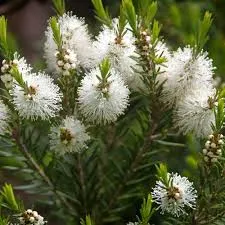
Tea Tree Oil
Role: A renowned natural antiseptic and antifungal, Tea Tree Oil has been used for centuries to combat various microbial infections. Its potent properties directly target fungal growth, making it a cornerstone ingredient in many natural antifungal treatments.
Typical Concentration: 1%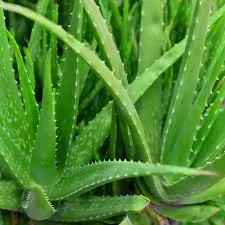
Aloe Vera Leaf Extract
Role: Known for its exceptional soothing and healing properties, Aloe Vera helps to calm irritated skin and reduce inflammation around infected nails. It also promotes cellular regeneration, aiding in the repair of damaged nail tissue and skin.
Healing & Soothing Agent
Walnut Oil
Role: Walnut Oil is rich in antioxidants and contains natural antifungal compounds. It helps to protect the nail from environmental damage, provides deep nourishment, and supports the overall health and integrity of the nail plate.
Nourishing & Protective Agent
Vitamin E Oil
Role: A powerful antioxidant, Vitamin E Oil is crucial for skin and nail health. It helps to repair damaged cells, enhances moisture retention, and protects against free radical damage, promoting the growth of strong, healthy nails.
Antioxidant & Moisturizer
Ready for Healthier, Clearer Nails? Try Kerafen Today!
Kerafen offers a potent, all-natural solution designed to combat toenail fungus effectively. Its unique blend of ingredients works synergistically to eliminate fungus, soothe discomfort, and promote the growth of strong, healthy nails.
- Targets stubborn toenail fungus at its source
- Formulated with all-natural, clinically-backed ingredients
- Promotes healthy nail regrowth and strength
- Soothes irritation and reduces discomfort
- Easy-to-apply topical solution for daily use



Real Stories, Real Results: Kerafen Users Speak Out
"After years of struggling with embarrassing toenail fungus, Kerafen was a game-changer. My nails look clearer and healthier than ever, and I'm finally comfortable wearing sandals again!"
"I was skeptical, but Kerafen really works! Combined with better shoe choices, my persistent infection is finally clearing up. The relief is incredible, and the natural ingredients give me peace of mind."
"This product is fantastic. Easy to apply, no harsh smells, and I've seen noticeable improvement in just a few weeks. Highly recommend for anyone dealing with fungal nails who wants a natural solution."
Frequently Asked Questions
What kind of shoes are best for preventing toenail fungus?
+The best shoes are those made from breathable materials like mesh, canvas, or natural leather. They should fit properly, allowing toes to move freely without pinching, and have adequate ventilation to prevent moisture buildup. Rotating your shoes daily also helps ensure they dry out completely.
Why should I avoid cotton socks if I have toenail fungus?
+Cotton socks absorb moisture and hold it against your skin, creating a warm, damp environment that is ideal for fungal growth. Instead, opt for moisture-wicking materials like merino wool, synthetic blends (polyester, nylon), or bamboo to keep your feet dry.
How often should I change my socks if I have a fungal infection?
+It's recommended to change your socks daily, or even more frequently if your feet tend to sweat a lot or if your socks become damp. Always wear clean, dry socks to minimize the risk of fungal proliferation.
Can Kerafen be used with any type of footwear?
+Kerafen is a topical solution that works independently of your footwear. However, for best results and to prevent reinfection, it's highly recommended to use Kerafen in conjunction with proper footwear and hygiene practices. The right shoes and socks create an environment where Kerafen can be most effective.
How important is shoe disinfection for toenail fungus sufferers?
+Shoe disinfection is very important. Fungal spores can linger inside your shoes, leading to reinfection. Regularly spray the inside of your shoes with an antifungal spray or use UV shoe sanitizers. Allowing shoes to air out and completely dry for 24-48 hours between wears is also crucial.
Is Kerafen a natural solution for toenail fungus?
+Yes, Kerafen is formulated with a blend of all-natural ingredients, including Undecylenic Acid, Tea Tree Oil, Menthol, Aloe Vera, and various nourishing oils. These ingredients are selected for their antifungal, soothing, and nail-strengthening properties, offering a gentle yet powerful approach to combating toenail fungus.
Related Articles