Are your discolored, brittle nails a sign of fungus or something more complex like psoriasis?
Nail changes can be alarming, often causing discomfort and embarrassment. Two of the most common culprits behind unhealthy-looking nails are nail psoriasis and nail fungus (onychomycosis). While they share some visual similarities, their underlying causes, specific symptoms, and effective treatments are vastly different.
Misdiagnosing your nail condition can lead to ineffective treatments, prolonged suffering, and even worsening of the problem. That's why understanding the distinct characteristics of each condition and seeking an accurate diagnosis is paramount for restoring your nail health.
Understanding Nail Psoriasis: More Than Just a Nail Problem
Nail psoriasis is a chronic autoimmune condition that affects the fingernails and toenails. It's closely linked to psoriasis, a skin condition characterized by rapid skin cell turnover, but it can occur independently in about 5% of cases. For many, nail psoriasis is a visible manifestation of systemic inflammation, often impacting quality of life due to pain, functional impairment, and cosmetic concerns.
The immune system mistakenly attacks healthy nail cells, leading to a variety of symptoms. These can range from subtle changes to severe nail dystrophy. Unlike a simple infection, nail psoriasis is a reflection of an internal process, making its management distinct from treating external invaders. The condition can affect one or multiple nails, and its severity can fluctuate over time.
Common Symptoms of Nail Psoriasis:
- Pitting: Small, pinpoint depressions or dents on the nail surface, resembling the surface of a thimble. This is one of the most characteristic signs.
- Onycholysis: Separation of the nail plate from the nail bed, often starting at the tip of the nail and progressing inward. This can create a space where debris and infections can accumulate.
- Oil Spots (Salmon Patches): Discolored, yellowish-red or brownish spots under the nail plate that resemble a drop of oil beneath the nail. These are highly indicative of nail psoriasis.
- Nail Thickening (Hyperkeratosis): Buildup of keratin under the nail, causing the nail to become thick, brittle, and crumbly. This can make trimming difficult and painful.
- Discoloration: Nails may appear yellow, brown, or opaque due to changes in the nail bed.
- Subungual Hyperkeratosis: Chalky white material accumulating under the nail, lifting it.
- Splinter Hemorrhages: Tiny black or red lines under the nail, caused by broken capillaries.
- Nail Bed Psoriasis: Redness, scaling, and sometimes pain in the skin under the nail.
- Ridges and Grooves: Horizontal or vertical lines across the nail plate.
It's important to note that nail psoriasis often affects several nails, sometimes symmetrically. It can also be accompanied by skin psoriasis or psoriatic arthritis, providing additional clues for diagnosis. The symptoms tend to be chronic and can be quite resistant to treatment, requiring a persistent and often multi-faceted approach.
💡 Key Takeaway
Nail psoriasis is an autoimmune condition causing distinctive symptoms like pitting, oil spots, and nail separation. It's a systemic issue, not an infection, and often correlates with skin psoriasis or psoriatic arthritis.
Unmasking Nail Fungus (Onychomycosis): An Invading Infection
In stark contrast to psoriasis, nail fungus, or onychomycosis, is an infection caused by fungi, most commonly dermatophytes, but also yeasts and molds. These microscopic organisms thrive in warm, moist environments, making toenails particularly susceptible. It is highly contagious and can spread from one nail to another, or even to the skin (leading to athlete's foot).
Nail fungus is the most common nail disorder, accounting for about half of all nail abnormalities. It typically begins as a white or yellow spot under the tip of your fingernail or toenail. As the fungal infection goes deeper, it may cause your nail to discolor, thicken, and crumble at the edge. Factors like age, weakened immune system, diabetes, athlete's foot, heavy sweating, and going barefoot in public places increase the risk of developing onychomycosis. Proper hygiene and care are crucial in preventing its spread and recurrence.
Common Symptoms of Nail Fungus (Onychomycosis):
- Discoloration: Nails typically turn yellow, brown, or white. Sometimes, green or black hues can also appear. This discoloration usually starts at the edges and moves inward.
- Thickening: The nail plate becomes noticeably thicker and often distorted. This can make shoes uncomfortable and lead to pain.
- Brittleness/Crumbling: Infected nails become fragile and can easily crumble at the edges. Debris often collects under the nail.
- Distortion in Shape: The nail may become misshapen or lifted from the nail bed (onycholysis), creating a gap beneath it.
- Dullness: The nail loses its natural luster and appears dull or opaque.
- Odor: A slightly foul odor can sometimes emanate from the infected nail, especially if debris accumulates.
- Pain or Discomfort: While often painless in early stages, severe fungal infections can cause pain, tenderness, or discomfort, particularly when pressure is applied to the nail.
Nail fungus usually starts in one nail and can slowly spread to others. It's less common for fingernails to be affected than toenails, but it can happen. Unlike psoriasis, fungal infections are external invaders that can be cleared with appropriate antifungal treatments. However, they can be persistent and require consistent treatment over several months.
Key Differences: Psoriasis vs. Fungus at a Glance
While some symptoms overlap, understanding the subtle yet crucial distinctions between nail psoriasis and nail fungus is vital for accurate diagnosis and effective treatment. Here's a comparative breakdown:
Underlying Cause
Nail Psoriasis: An autoimmune disease where the immune system attacks healthy nail cells. It's an internal condition, often linked to genetics and environmental triggers, and is part of a broader systemic inflammatory process.
Nail Fungus: An infection caused by dermatophytes, yeasts, or molds. It's an external invasion by microorganisms, thriving in specific environmental conditions.
Distinctive Symptoms
Nail Psoriasis: Key indicators include pitting (small depressions), oil spots (salmon patches) under the nail, and often more severe crumbling or thickening. It frequently affects multiple nails symmetrically.
Nail Fungus: Characterized by yellow, brown, or white discoloration, significant thickening, and often a foul odor. It typically starts in one nail and can spread, often associated with athlete's foot.
Associated Conditions
Nail Psoriasis: Often occurs alongside skin psoriasis or psoriatic arthritis. If you have a history of these, nail changes are more likely to be psoriatic.
Nail Fungus: Frequently associated with athlete's foot (tinea pedis). People with diabetes or compromised immune systems are also at higher risk.
Pain and Discomfort
Nail Psoriasis: Can be painful, especially with onycholysis or severe hyperkeratosis, making walking or using hands difficult. It might also cause tenderness in the nail bed.
Nail Fungus: Often painless in early stages, but severe thickening and distortion can lead to pain, pressure, and discomfort from footwear or activities.
Contagion
Nail Psoriasis: Not contagious. It cannot be spread from person to person or from one nail to another in the same way an infection can.
Nail Fungus: Highly contagious. It can easily spread to other nails, skin, or to other individuals through direct contact or shared items like nail clippers or shower floors.
While these points offer a good guide, the visual similarities can still be confusing. For instance, both conditions can cause nail thickening and separation. This overlap underscores the importance of professional medical evaluation for a definitive diagnosis. Sometimes, a nail biopsy or fungal culture might be needed to differentiate between the two, especially when symptoms are ambiguous.
💡 Key Takeaway
Nail psoriasis is autoimmune, non-contagious, and marked by pitting/oil spots, often with skin psoriasis. Nail fungus is an infection, contagious, causes yellow/brown discoloration and thickening, and is associated with athlete's foot. Professional diagnosis is crucial due to symptom overlap.
Diagnostic Tools: Getting a Clear Answer
Given the similarities and the critical need for correct treatment, self-diagnosis of nail conditions is often unreliable. A dermatologist is the best person to diagnose your condition accurately. They employ several methods to distinguish between nail psoriasis, nail fungus, and other less common nail disorders.
The diagnostic process typically begins with a thorough physical examination of your nails, skin, and scalp. The dermatologist will look for characteristic signs such as pitting, oil spots, specific discoloration patterns, and any evidence of skin psoriasis or athlete's foot. They will also inquire about your medical history, family history of psoriasis, and any potential exposure to fungal infections.
To confirm or rule out a fungal infection, a common procedure is to take a nail clipping or scraping. This sample is then sent to a laboratory for analysis. The lab may perform a KOH (potassium hydroxide) test, which can quickly reveal fungal elements under a microscope. A fungal culture might also be done, where the sample is grown in a culture medium to identify the specific type of fungus present. This takes longer but provides a definitive identification, which can guide targeted antifungal treatment.
In cases where fungal tests are negative but psoriasis is still suspected, or if the diagnosis remains unclear, a nail biopsy may be performed. This involves removing a small piece of the nail plate or nail bed for microscopic examination. While more invasive, a biopsy can provide conclusive evidence of psoriatic changes in the nail tissue. This is usually reserved for complex cases where other diagnostic methods have been inconclusive.
Sometimes, a dermoscopy (using a specialized magnifying tool) can help dermatologists examine the nail plate and nail bed more closely, revealing subtle patterns that distinguish between conditions. For a deeper dive into effective strategies for maintaining strong nails, you might find our article on Nail Health Remedies That Work particularly insightful.
Treatment Approaches for Nail Psoriasis
Treating nail psoriasis is notoriously challenging due to the slow growth of nails and the difficulty of delivering medication to the nail matrix and bed. Treatment aims to reduce inflammation, improve nail appearance, and alleviate pain. It often requires patience and a combination of therapies.
Topical Treatments: These are often the first line of defense for mild to moderate cases. They include corticosteroids, vitamin D analogues (calcipotriol), and tazarotene applied directly to the nail plate or cuticle. These can help reduce thickening, discoloration, and pitting. However, penetration into the nail is limited, so results can be slow and varied.
Oral Medications: For more severe or resistant cases, systemic medications may be prescribed. These include methotrexate, cyclosporine, acitretin, and apremilast. These drugs work by suppressing the immune system or modifying inflammatory pathways. They come with potential side effects and require careful monitoring by a physician.
Biologic Drugs: These are advanced injectable medications that target specific parts of the immune system involved in psoriasis. Examples include adalimumab, etanercept, infliximab, and ustekinumab. Biologics are highly effective for severe psoriasis, including nail psoriasis, but are typically reserved for cases unresponsive to other treatments due to their cost and potential side effects.
Light Therapy (Phototherapy): Psoralen plus ultraviolet A (PUVA) therapy can be used for nail psoriasis, sometimes involving soaking the nails in psoralen before UV exposure. This can help slow down cell growth and reduce inflammation.
Laser Treatment: Newer options include pulsed dye laser (PDL) and Nd:YAG laser, which target blood vessels in the nail bed to reduce inflammation and improve symptoms. These treatments show promise but may require multiple sessions.
Nail Removal: In very severe, painful, or unresponsive cases, surgical or chemical removal of the nail may be considered, but this is a last resort.
Supportive care, such as keeping nails trimmed, protecting them from trauma, and moisturizing, also plays a crucial role in managing nail psoriasis symptoms and preventing complications.
Effective Strategies for Nail Fungus Treatment
Treating nail fungus is focused on eradicating the fungal infection and preventing its recurrence. Like psoriasis, it requires persistence, as nails grow slowly and fungi can be stubborn. The choice of treatment depends on the severity of the infection, the type of fungus, and the patient's overall health.
Topical Antifungal Medications: For mild to moderate infections, antifungal lacquers or solutions (e.g., ciclopirox, efinaconazole, tavaborole) are applied directly to the nail. These need to be used consistently for several months, sometimes up to a year, to be effective as the healthy nail grows out. They are often less effective for severe infections that have penetrated deep into the nail.
Oral Antifungal Medications: For more severe or widespread infections, oral antifungals like terbinafine, itraconazole, or fluconazole are often prescribed. These medications work by reaching the nail through the bloodstream, attacking the fungus from within. Treatment courses typically last 6-12 weeks, but it can take many months for the nail to fully clear as it grows out. Oral antifungals are highly effective but carry risks of side effects, including liver damage, and may interact with other medications, necessitating regular blood tests.
Laser and Light Therapies: Similar to psoriasis, laser treatments are also used for nail fungus. These lasers emit energy that heats and destroys the fungus without damaging the nail or surrounding skin. While promising, their effectiveness can vary, and multiple sessions are usually required.
Surgical Nail Removal: In cases of severe, painful, or persistent infection that doesn't respond to other treatments, temporary or permanent surgical removal of the infected nail may be an option. This allows for direct application of antifungal medications to the nail bed.
Natural and Complementary Approaches: Some individuals explore natural remedies like tea tree oil, snakeroot extract, or menthol-based topical applications. While some ingredients show antifungal properties in lab settings, scientific evidence for their efficacy in clearing established nail fungus is often limited. However, they can be part of a broader approach, especially for prevention or mild cases. For more information on supportive treatments, you can read our article on Antifungal Drops for Thick, Discolored Toenails.
Alongside medical treatments, good nail hygiene is paramount. This includes keeping nails clean and dry, trimming them regularly, wearing breathable footwear, and avoiding walking barefoot in public damp areas. Disinfecting shoes and nail tools is also crucial to prevent re-infection.
The Role of Topical Solutions: A Supportive Approach to Nail Health
Whether dealing with the aftermath of a fungal infection, seeking to strengthen nails prone to damage, or simply maintaining overall nail vitality, topical solutions can play a crucial supportive role. While they may not cure severe psoriasis or advanced fungal infections on their own, they can significantly contribute to a healthier nail environment, reduce symptoms, and aid in recovery.
Many individuals seek out natural-based topical products that combine ingredients known for their antifungal, anti-inflammatory, and nourishing properties. These formulations aim to tackle multiple aspects of nail health, from combating potential microbial growth to deeply moisturizing and strengthening the nail plate and surrounding skin. The goal is to create an inhospitable environment for pathogens while promoting the growth of strong, clear nails.
Ingredients commonly found in such solutions include antifungal agents, essential oils with antiseptic qualities, and emollients that improve nail hydration and flexibility. Regular application can help to:
- Inhibit Fungal Growth: Certain natural compounds possess properties that can deter the proliferation of fungi and other microbes, helping to prevent new infections or support existing antifungal treatments.
- Reduce Inflammation and Soothe Irritation: Many botanical extracts have anti-inflammatory effects, which can calm redness and discomfort associated with irritated nail beds or surrounding skin.
- Moisturize and Strengthen: Dry, brittle nails are more susceptible to damage and infection. Hydrating ingredients help improve nail flexibility and prevent cracking, promoting healthier growth.
- Improve Nail Appearance: By nourishing the nail and addressing underlying issues, these solutions can help restore the natural color and smoothness of the nail, reducing discoloration and thickening.
- Support Overall Nail Resilience: Consistent use can build a stronger defense mechanism for your nails, making them less vulnerable to future problems.
When choosing a topical solution, look for products that are transparent about their ingredients and ideally, those that are manufactured in facilities adhering to good manufacturing practices (GMP). Always remember that these solutions are often best used as part of a comprehensive nail care regimen, and in conjunction with professional medical advice for diagnosed conditions. For a detailed comparison of different nail health products, you might find our article Kerafen vs. ProNail Complex: A Comparison useful.
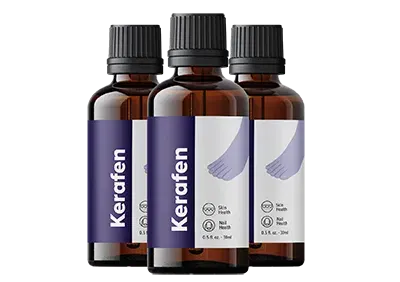
Kerafen: A Natural Approach to Nail Health Support
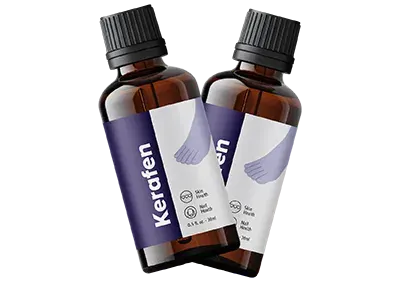
Kerafen is a topical solution formulated with a blend of natural ingredients, each selected for its potential to support healthy nails and address common concerns like fungal infections and overall nail weakness. It aims to provide a comprehensive approach to nail care, leveraging the power of nature to restore and protect your nails.
Undecylenic Acid
Role: A fatty acid derived from castor oil, widely recognized for its potent antifungal properties. It works by inhibiting the growth of fungi, making it a key ingredient in fighting onychomycosis.
Effective concentrations typically 10-25%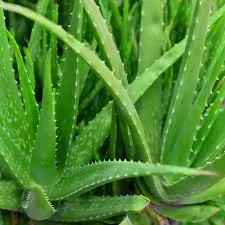
Aloe Vera Leaf Extract
Role: Known for its soothing, anti-inflammatory, and healing properties. It helps calm irritated skin around the nails, promotes tissue repair, and provides hydration to the nail and cuticles.
Commonly 0.5-20% in formulations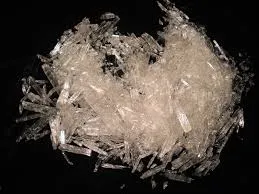
Menthol
Role: Provides a cooling sensation that can help relieve itching and discomfort. It also has mild antiseptic properties and can improve the penetration of other active ingredients.
Typically 0.1-1% for soothing effects
Sweet Almond Oil
Role: A rich source of vitamins E, A, and D, and essential fatty acids. It deeply moisturizes and nourishes the nails and cuticles, improving flexibility and preventing brittleness.
Often a base oil, up to 100%
Organic Flaxseed Oil
Role: Abundant in Omega-3 fatty acids, which are known for their anti-inflammatory benefits. It supports nail strength and promotes healthy growth, contributing to overall nail integrity.
Varied concentrations in topical blends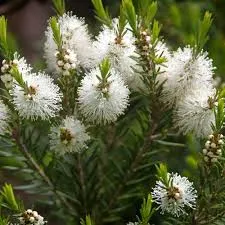
Tea Tree Oil
Role: A powerful natural antiseptic and antifungal agent. It helps combat fungal and bacterial growth, making it effective in purifying the nail and surrounding skin.
Recommended 5-10% in topical applications
Vitamin E Oil
Role: A potent antioxidant that protects nail cells from damage and promotes healthy circulation to the nail bed. It also provides intense moisture, aiding in nail repair and growth.
Typically 0.5-2% in cosmetic formulations
Walnut Oil
Role: Rich in antioxidants and Omega-3 fatty acids, similar to flaxseed oil. It contributes to strengthening the nail plate, providing nourishment, and supporting healthy skin around the nails.
Used as a carrier oil or active componentBy combining these ingredients, Kerafen aims to offer a multifaceted approach: targeting fungal elements with Undecylenic Acid and Tea Tree Oil, soothing inflammation with Aloe Vera and Menthol, and nourishing/strengthening nails with a blend of beneficial oils and Vitamin E. This synergistic blend is designed to create an optimal environment for healthy nail growth and recovery.
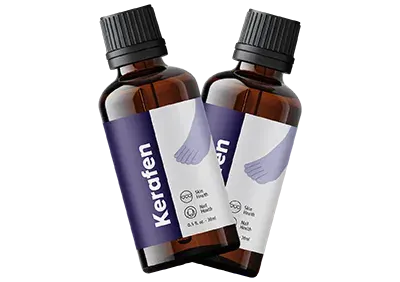
Reclaim Your Nail Health with Kerafen's Targeted Support
Don't let nail concerns dictate your confidence. Kerafen offers a natural, powerful blend to help you support clear, strong, and healthy nails. Formulated with carefully selected ingredients, Kerafen is designed to address common nail issues and promote overall nail wellness from the comfort of your home.
- ✓ Supports healthy nail growth and appearance
- ✓ Formulated with potent natural antifungal agents
- ✓ Helps soothe irritation and reduce discomfort
- ✓ Deeply nourishes and strengthens brittle nails
- ✓ Made in the USA in a GMP-certified facility



What Our Users Are Saying
"I was so confused about my nail issues. After reading up and trying Kerafen, I've seen a real improvement in how my nails look and feel. They're definitely stronger and clearer than before. It's been a game-changer for my confidence!"
"My toenails had been a source of embarrassment for years. Kerafen was recommended by a friend, and I'm so glad I tried it. The natural ingredients gave me peace of mind, and the results have been fantastic. My nails are finally looking healthy again."
"Having struggled with brittle, discolored nails, I was looking for a natural solution. Kerafen delivered. The application is easy, and I've noticed a significant reduction in discoloration and a big boost in nail strength. Highly recommend!"
Frequently Asked Questions
How can I definitively tell if I have nail psoriasis or nail fungus?
+While symptoms can overlap, nail psoriasis often presents with pitting, oil spots (salmon patches), and crumbling nails, often affecting multiple nails symmetrically and potentially accompanied by skin psoriasis. Nail fungus typically causes discoloration (yellow, brown, white), thickening, and separation of the nail from the nail bed, often starting at one nail and spreading. A definitive diagnosis requires a visit to a dermatologist, who may perform a physical examination and take a nail clipping for laboratory analysis to confirm the presence of fungus or rule out other conditions.
Can I have both nail psoriasis and nail fungus at the same time?
+Yes, it is entirely possible to have both nail psoriasis and nail fungus concurrently. Individuals with nail psoriasis are actually more susceptible to developing fungal infections because the damaged nail structure provides an ideal environment for fungi to thrive. This co-occurrence can make diagnosis and treatment more complex, as symptoms from both conditions might overlap or exacerbate each other. If you suspect you have both, it's crucial to consult a dermatologist for a comprehensive evaluation and a tailored treatment plan addressing both underlying issues.
Are there any home remedies for these conditions?
+For nail fungus, some people try home remedies like tea tree oil, vinegar soaks, or Vicks VapoRub, though scientific evidence for their effectiveness is limited and they rarely clear severe infections. For nail psoriasis, home remedies are generally not effective for treating the underlying condition, but keeping nails trimmed, moisturized, and protected can help manage symptoms and prevent secondary infections. Always approach home remedies with caution and discuss them with your doctor, as they should not replace professional medical advice or prescribed treatments.
When should I see a doctor for my nail condition?
+You should see a doctor, preferably a dermatologist, if you notice persistent changes in your nails such as discoloration, thickening, crumbling, pain, or separation from the nail bed. Early diagnosis is key for effective treatment, especially for fungal infections which can become more difficult to treat over time, and for nail psoriasis, where early intervention can prevent severe damage. If over-the-counter remedies haven't helped, or if your symptoms are worsening, a professional medical evaluation is essential.
How does Kerafen help with nail health?
+Kerafen is formulated with a blend of natural ingredients known for their antifungal, anti-inflammatory, and nourishing properties. Ingredients like Undecylenic Acid target fungal growth, while components such as Aloe Vera, Menthol, and Tea Tree Oil help soothe irritation, reduce inflammation, and promote a healthier nail environment. Essential oils like Sweet Almond and Flaxseed provide hydration and strengthen the nail, supporting overall nail recovery and resilience against future issues. It's designed to be a supportive topical solution for various nail concerns.
Is Kerafen safe to use for long-term nail support?
+Kerafen is formulated with natural ingredients and is generally considered safe for consistent use as directed. It aims to provide ongoing support for nail health, helping maintain strength, clarity, and resilience. However, as with any topical product, it's always advisable to perform a patch test first to ensure no adverse reactions. If you have specific skin sensitivities, allergies, or are undergoing other treatments, consulting with your healthcare provider before long-term use is recommended to ensure it aligns with your overall health regimen.
Related Articles