Facing Severe Toenail Fungus? Understanding Your Path to Recovery.
Severe toenail fungus, or onychomycosis, can be more than just a cosmetic concern; it can lead to pain, discomfort, and in some cases, necessitate medical intervention such as toenail removal. Navigating the recovery process and ensuring effective treatment is crucial for restoring your nail health and preventing future infections.
This comprehensive guide delves into understanding severe toenail fungus, the various approaches to treatment including toenail removal, the recovery journey, and strategies for prevention, emphasizing a holistic approach to long-term nail wellness.

Understanding Severe Toenail Fungus: When It's More Than Just a Discoloration
Toenail fungus, medically known as onychomycosis, starts subtly but can escalate into a severe condition if left untreated. Recognizing the signs of a severe infection is the first step towards effective management and recovery.
Initially, you might notice a slight discoloration, perhaps a yellow or white spot under the tip of your nail. As the infection progresses, the nail can become thicker, brittle, crumbly, or distorted. In severe cases, the nail may lift from the nail bed (onycholysis), causing pain and emitting a foul odor. The discoloration can deepen to brown or black, and debris can accumulate under the nail, exacerbating discomfort. This advanced stage of toenail fungus and nail infection can make walking painful, interfere with wearing shoes, and significantly impact quality of life. It's particularly concerning for individuals with underlying health conditions such as diabetes or a compromised immune system, as it can lead to more serious secondary bacterial infections.
A podiatrist or dermatologist will typically diagnose severe onychomycosis through a visual examination and by taking a nail clipping for laboratory analysis. This helps confirm the presence of fungus and rule out other conditions that can mimic fungal infections, such as psoriasis or bacterial infections. Understanding the exact type of fungus involved can also guide treatment choices. Once diagnosed, the treatment plan for severe cases often becomes more aggressive, sometimes leading to the consideration of toenail removal recovery as a necessary step towards eradicating the infection and promoting healthy nail growth.
💡 Key Takeaway
Severe toenail fungus can cause significant pain and nail damage, often requiring professional diagnosis and potentially aggressive treatment, including removal, to prevent complications and restore nail health.
The Path to Healing: When Toenail Removal Becomes a Solution
While many mild to moderate nail fungal infections can be managed with topical or oral antifungal medications, severe cases sometimes necessitate toenail removal. This procedure is considered when the nail is extensively damaged, causing chronic pain, or when other treatments have failed to penetrate the thick, infected nail effectively.
Understanding Partial vs. Complete Removal
Toenail removal can be either partial (avulsion) or complete (matrixectomy). Partial removal involves removing only the infected part of the nail, leaving the healthy portion intact. Complete removal, often reserved for severely damaged nails or chronic recurrence, involves removing the entire nail plate and sometimes destroying the nail matrix to prevent regrowth. The choice depends on the extent of the infection and the doctor's assessment.
The Procedure Itself
Nail removal is typically an outpatient procedure performed under local anesthesia. For partial removal, the doctor carefully separates and clips away the diseased part of the nail. For complete removal, the entire nail is lifted. In some cases, a chemical (like phenol) or laser may be used to destroy the nail matrix, preventing the nail from growing back permanently. The procedure aims to eliminate the infected nail tissue and expose the nail bed to allow for direct application of antifungal treatments.
Immediate Post-Procedure Care
After removal, the toe will be bandaged, and your doctor will provide specific instructions for wound care. This usually includes keeping the area clean and dry, changing dressings regularly, and avoiding strenuous activities. Pain medication may be prescribed to manage discomfort. It's vital to follow these instructions diligently to prevent infection and promote proper healing of the exposed nail bed.
The Recovery Journey
The toenail removal recovery period varies. For partial removal, the nail may regrow within 3-6 months. For complete removal, a new nail can take 12-18 months to fully grow back. During this time, the nail bed is vulnerable. Protecting it is paramount to ensure healthy regrowth and prevent reinfection. This period is also critical for applying topical antifungal treatments directly to the nail bed, which is more effective without the nail acting as a barrier.
Navigating the Recovery: Tips for a Smooth Healing Process
The recovery phase after toenail removal is just as important as the procedure itself. Proper care can significantly impact the speed of healing and the quality of new nail growth. Here’s what you need to know.
Immediately after the procedure, expect some discomfort, swelling, and possibly minor bleeding. Keep the foot elevated as much as possible for the first 24-48 hours. Your doctor will advise on when to change dressings and how to clean the area. Typically, this involves gentle washing with mild soap and water, followed by applying an antiseptic or antibiotic ointment and a sterile bandage. Pain management is usually achieved with over-the-counter pain relievers, but stronger medication might be prescribed if needed.
As the initial wound heals, focus shifts to protecting the exposed nail bed. Wear open-toed shoes or sandals to avoid pressure on the toe. If closed-toe shoes are necessary, opt for roomy, breathable options. It's crucial to keep the area dry to prevent new infections. This means thoroughly drying your feet after bathing and avoiding prolonged exposure to moist environments. You might find our article on Essential Nail Care Tips for Fungus-Prone Feet helpful during this delicate period.
For those undergoing a complete matrixectomy to prevent regrowth, the focus is entirely on wound healing. If the nail is expected to regrow, your doctor will likely prescribe topical antifungal medications to apply directly to the nail bed as the new nail emerges. This proactive approach helps ensure the new nail grows in healthy and free from fungus. Patience is key, as healthy nail regrowth is a slow process.

Long-Term Strategies: Promoting Healthy Nail Regrowth and Preventing Recurrence
Successfully recovering from severe toenail fungus and removal means not just healing the immediate wound, but also implementing long-term strategies to ensure the new nail grows healthy and remains fungus-free.
Once the initial healing from removal is complete, the journey shifts to nurturing the nail bed for optimal regrowth. A healthy nail bed is essential for a strong, clear nail. This involves continued vigilance with foot hygiene, ensuring your feet are always clean and dry. Consider using antifungal powders in your shoes and socks, especially if you're prone to sweaty feet. Regularly inspect your toes and nails for any early signs of discoloration or thickening, which could indicate a returning infection.
Diet and lifestyle also play a significant role. A balanced diet rich in vitamins and minerals, particularly biotin, zinc, and vitamin E, can support overall nail health. Our article on Biotin and Keratin Supplements for Stronger Nails provides further insights. Furthermore, choosing appropriate footwear is paramount. Opt for shoes made of breathable materials and ensure they are not too tight, which can create a warm, moist environment conducive to fungal growth. Replacing old, infected shoes is often recommended. If you frequent public places like swimming pools or gyms, always wear flip-flops or shower shoes to protect your feet from communal fungi. Read more about this in our guide on Preventing Nail Fungus at the Pool and Gym.
Even after successful treatment and regrowth, maintaining a preventative routine is critical. Many individuals find that incorporating natural, supportive topical solutions into their daily regimen helps maintain nail health. These solutions can provide a protective barrier and foster an environment where fungus struggles to thrive, offering peace of mind and sustained healthy nails.
Natural Support for Nail Health: An Integrative Approach
While medical procedures like toenail removal address severe cases, supporting the healing process and preventing recurrence often benefits from an integrative approach that includes natural remedies. Many botanical extracts and essential oils possess properties that can aid in maintaining a healthy environment for nail growth.
Antifungal Properties
Certain natural ingredients are known for their potent antifungal capabilities, helping to inhibit the growth and spread of various fungal strains. Applying these directly to the nail and surrounding skin can create an inhospitable environment for fungi.
Healing & Soothing
Beyond fighting fungus, many natural compounds offer soothing and healing benefits, which are particularly valuable during the recovery phase after toenail removal. They can reduce inflammation, calm irritation, and support the skin's natural repair processes.
Nail Strengthening
As a new nail grows, it needs support to be strong and resilient. Ingredients rich in vitamins, minerals, and fatty acids can nourish the nail matrix and plate, promoting the growth of a healthier, less brittle nail, less susceptible to future infections.
Penetration & Absorption
The challenge with topical treatments for nail fungus is often penetration. Natural oils and compounds are often formulated to enhance absorption, allowing active ingredients to reach the nail bed where the fungus resides, making them effective complementary therapies.
Kerafen: Harnessing Nature's Power for Nail Wellness
Kerafen is a natural topical solution designed to support healthy nails, especially after severe infections or removal. It combines a blend of potent ingredients known for their antifungal, anti-inflammatory, and nourishing properties, working synergistically to promote an optimal environment for nail health.
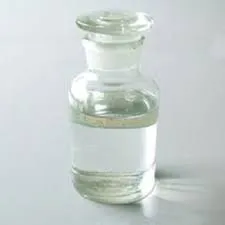
Undecylenic Acid
Role: A powerful fatty acid derived from castor oil, widely recognized for its potent antifungal properties. It works by inhibiting the growth of fungal cells, making it a key player in fighting onychomycosis.
Typically 10-25% concentration
Tea Tree Oil
Role: Renowned for its natural antiseptic, antifungal, and antibacterial qualities. It penetrates the nail to combat fungal infections, reduces inflammation, and promotes healing, offering a refreshing sensation.
5-10% concentration for topical use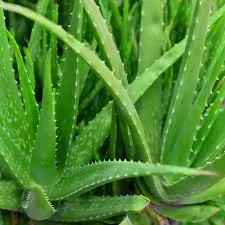
Aloe Vera
Role: A soothing and healing plant extract, rich in vitamins and antioxidants. It helps to calm irritated skin around the nail, provides hydration, and supports the skin's natural regenerative processes, reducing discomfort.
High concentration in gels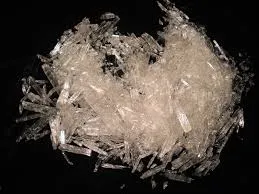
Menthol
Role: Provides a cooling and analgesic effect, helping to relieve pain and itching associated with nail infections. Its antiseptic properties also contribute to a clean environment, discouraging microbial growth.
1-5% concentration for cooling
Organic Flaxseed Oil
Role: Rich in Omega-3 fatty acids, it deeply moisturizes and nourishes the nail and cuticle. Its anti-inflammatory properties can aid in reducing swelling and promoting overall nail plate health and strength.
High in essential fatty acids
Sweet Almond Oil
Role: A gentle emollient packed with Vitamins E, A, and D. It softens the skin and cuticles, improving nail flexibility and preventing brittleness, which can make nails more resistant to damage and infection.
Carrier oil for deep hydration
Walnut Oil
Role: Contains essential fatty acids and antioxidants that support skin and nail integrity. It helps to strengthen the nail plate and provides a protective barrier against external aggressors, fostering healthy growth.
Rich in linoleic acid
Vitamin E Oil
Role: A powerful antioxidant that promotes healthy cell growth and repair. It helps moisturize and strengthen damaged nails, improving their appearance and resilience, and supporting the healing of the nail bed.
Nourishing antioxidant
Ready for Healthy, Clear Nails? Try Kerafen Today!
Don't let severe toenail fungus dictate your life. Kerafen offers a powerful, natural solution designed to support your nails through recovery and beyond. With a blend of scientifically-backed ingredients, Kerafen targets the root causes of nail issues while nourishing and protecting your new nail growth.
- ✓ Supports healthy nail regrowth after removal
- ✓ Potent natural ingredients for antifungal action
- ✓ Soothes irritation and promotes healing
- ✓ Strengthens and moisturizes new nail plate
- ✓ Easy-to-apply topical solution




Hear From Our Satisfied Users
"After my severe toenail fungus led to removal, I was desperate for something to help the new nail grow healthy. Kerafen has been amazing! My new nail is coming in so clear and strong. I use it every day."
"I had a stubborn infection that just wouldn't clear up. My doctor recommended removal, and then I started Kerafen. The combination worked wonders. My foot feels so much better, and the regrowth is impressive."
"Dealing with severe nail fungus was embarrassing and painful. Kerafen was recommended by a friend, and it's truly helped. The natural ingredients are gentle, and my nails are finally looking healthy again. Highly recommend for recovery!"
Frequently Asked Questions
Why might toenail removal be necessary for severe fungus?
+Toenail removal, either partial or complete, may be recommended by a podiatrist or dermatologist in severe cases where fungal infection has caused significant damage, pain, or is unresponsive to other treatments. It allows for direct access to the nail bed for antifungal application, promoting healthier regrowth and preventing the spread of infection.
What are the typical recovery times after toenail removal?
+Recovery time varies depending on whether it was a partial or complete removal. For partial removal, the nail may regrow within 3-6 months. Complete removal can take 12-18 months for a new, healthy nail to fully grow back. Initial discomfort and swelling usually subside within a few days to a week, but consistent aftercare is crucial for proper healing.
How can I prevent nail fungus from recurring after treatment?
+Preventing recurrence involves diligent hygiene and protective measures. This includes keeping feet clean and dry, wearing breathable shoes and moisture-wicking socks, regularly disinfecting footwear, avoiding walking barefoot in public damp areas, and trimming nails properly. Using topical preventative solutions and maintaining overall foot health are also key.
Are natural remedies effective for severe toenail fungus?
+While natural remedies can be supportive for mild to moderate cases, severe toenail fungus often requires a multi-faceted approach, potentially including professional intervention like removal. However, natural ingredients with antifungal properties, such as tea tree oil, undecylenic acid, and certain plant extracts, can be highly beneficial when incorporated into comprehensive treatment plans, helping to inhibit fungal growth and support nail health. Products like Kerafen utilize such natural compounds.
What role does diet and lifestyle play in nail health and fungus prevention?
+A healthy diet rich in vitamins, minerals, and proteins supports strong nails and a robust immune system, which can help fight off infections. Lifestyle factors like proper foot hygiene, wearing appropriate footwear, and managing underlying health conditions (e.g., diabetes) are crucial. Avoiding prolonged exposure to damp environments and promptly addressing any minor nail injuries can also significantly reduce the risk of fungal infections.
When should I consult a doctor for a toenail infection?
+You should consult a doctor if you suspect a toenail infection, especially if you experience persistent pain, swelling, redness, pus, or if the nail appears severely discolored, thickened, or is lifting from the nail bed. Individuals with diabetes or compromised immune systems should seek immediate medical attention for any nail changes to prevent complications.
Related Articles