Can Apple Cider Vinegar Really Cure Your Stubborn Toenail Fungus?
Toenail fungus, medically known as onychomycosis, is a persistent and often unsightly condition affecting millions worldwide. Characterized by discoloration, thickening, and crumbling of the nail, it can be both embarrassing and uncomfortable. In the quest for effective remedies, many turn to natural solutions, with apple cider vinegar (ACV) frequently touted as a popular home treatment.
But does this kitchen staple truly hold the power to eliminate fungal infections, or is its reputation merely a testament to wishful thinking? In this comprehensive guide, we'll delve into the science (or lack thereof) behind using ACV for nail fungus, explore proper application methods, discuss potential benefits and risks, and present evidence-based alternatives for clearer, healthier nails.

Understanding Toenail Fungus: The Persistent Problem
Before we explore remedies, it's crucial to understand what we're up against. Toenail fungus is more than just a cosmetic issue; it's a genuine infection that requires attention.
Toenail fungus, or onychomycosis, is primarily caused by dermatophytes, a type of fungus that thrives in warm, moist environments. Yeasts and molds can also be culprits. The infection typically begins as a white or yellow spot under the tip of your fingernail or toenail. As the fungal infection goes deeper, it can cause your nail to discolor, thicken, and crumble at the edge. In some cases, it can be painful and emit an unpleasant odor.
Factors that increase your risk of developing toenail fungus include:
- Age: Older adults are more susceptible due to decreased blood circulation, more years of exposure to fungi, and slower-growing nails.
- Sweating heavily: Perspiration creates a damp environment conducive to fungal growth.
- Athlete's foot: This fungal skin infection can spread to the nails.
- Walking barefoot in public areas: Places like swimming pools, gyms, and shower rooms are breeding grounds for fungi.
- Minor nail or skin injuries: Cuts or breaks in the nail or surrounding skin can allow fungi to enter.
- Diabetes or a weakened immune system: These conditions can impair the body's ability to fight off infections.
Treating toenail fungus can be a lengthy process, often requiring consistent application of treatments for several months. For more insights into the duration of treatment, you might find our article on Nail Fungus Treatment Timeline: How Long Does It Really Take? helpful.
Apple Cider Vinegar: The Buzz Around a Kitchen Staple
Apple cider vinegar has long been revered in folk medicine for its purported health benefits, ranging from aiding digestion to improving skin conditions. Naturally, its potential role in combating toenail fungus has garnered significant interest.
ACV is produced by fermenting apples, which converts their sugars into acetic acid – the primary active compound responsible for its distinctive smell and many of its attributed properties. It also contains malic acid, vitamins, minerals, and enzymes. Proponents suggest that ACV's acidic nature (with a pH typically between 2.5 and 3.5 when undiluted) can create an environment hostile to fungi, which generally prefer a more alkaline setting. This change in pH is thought to inhibit fungal growth and potentially kill the organisms.
Beyond its acidity, some believe ACV possesses direct antimicrobial properties, capable of fighting off various pathogens. However, it's important to differentiate between general antimicrobial effects in a lab setting and specific antifungal efficacy against the complex structure of nail fungus embedded within keratinized tissue.
💡 Key Takeaway
Apple cider vinegar is widely believed to combat nail fungus due to its high acetic acid content, which lowers the pH of the nail environment, potentially inhibiting fungal growth. However, scientific evidence from clinical trials specifically supporting its efficacy as a primary treatment for established onychomycosis is limited, making it more of a traditional home remedy.
The Scientific Verdict: Does ACV Actually Work for Nail Fungus?
Despite its popularity, the scientific community's stance on apple cider vinegar as an effective treatment for toenail fungus is cautious at best.
Most of the evidence supporting ACV's antifungal capabilities comes from **in vitro studies**, meaning experiments conducted in test tubes or petri dishes. These studies have shown that acetic acid can inhibit the growth of certain types of fungi and bacteria. For example, some research indicates that acetic acid has antifungal activity against Candida species and dermatophytes in laboratory settings. However, these controlled environments do not fully replicate the complex biological system of a human nail infected with fungus.
The challenge with onychomycosis is that the fungus is often deeply embedded within the nail plate and nail bed. The nail itself acts as a protective barrier, making it difficult for topical treatments, especially those with larger molecules or lower penetrative power, to reach the infection site effectively. While ACV can alter the surface pH, its ability to penetrate the nail and sustain a fungicidal environment where the infection truly lies is questionable.
Furthermore, **clinical trials** – the gold standard for proving treatment efficacy in humans – specifically investigating ACV for toenail fungus are scarce. Most reports of success are anecdotal, based on personal experiences rather than controlled scientific observation. While some individuals may report improvement, it's hard to distinguish between actual fungicidal action, simple cosmetic improvement, or even placebo effect without rigorous study.
In summary, while ACV possesses properties that could theoretically hinder fungal growth, there is **insufficient scientific evidence** to recommend it as a primary or standalone treatment for toenail fungus. It may serve as a complementary approach or provide temporary relief for mild, superficial infections, but it's unlikely to eradicate a well-established fungal infection on its own.
How to Use Apple Cider Vinegar for Nail Fungus (If You Choose To)
If you decide to try apple cider vinegar as a home remedy, it's crucial to do so safely and correctly to minimize potential irritation and maximize any potential benefits.
The most common methods of application are:
1. ACV Foot Soaks
This is the most popular method. The idea is to soak the affected foot in a diluted ACV solution.
- Preparation: Mix equal parts apple cider vinegar and warm water in a basin large enough to submerge your foot. A common ratio is 1 cup ACV to 1 cup water.
- Soaking: Soak the affected foot for 15 to 30 minutes.
- Frequency: Repeat this process once or twice daily.
- Post-soak care: After soaking, thoroughly dry your feet and nails. Fungi thrive in moisture, so ensuring your feet are completely dry is critical. You can also use a hairdryer on a cool setting for extra drying.
2. Direct Topical Application
For a more targeted approach, you can apply diluted ACV directly to the nail.
- Preparation: Dilute ACV with water in a 1:1 ratio.
- Application: Dip a cotton ball or swab into the diluted solution and apply it directly to the affected nail, gently pressing it onto the nail bed.
- Frequency: Apply once or twice daily.
- Drying: Allow the solution to air dry completely on the nail.
Important Tips for Using ACV:
- Always dilute: Never use undiluted apple cider vinegar directly on your skin or nails for prolonged periods, as it can cause irritation, dryness, or even chemical burns.
- Consistency is key: If you choose to use ACV, commit to a consistent routine for several weeks or months. Nail fungus treatments require patience.
- Nail care: Regularly trim and file down affected nails to reduce the fungal load and allow better penetration of any topical treatment. Be careful not to cause injury.
- Monitor for irritation: If you experience any redness, burning, itching, or increased discomfort, discontinue use immediately.
- Hygiene: Always use clean towels and tools. Wash your hands thoroughly after applying any treatment.
Risks, Side Effects, and When to Seek Professional Help
While apple cider vinegar is a natural product, it's not without potential drawbacks, especially when used improperly. Understanding these risks and knowing when to consult a healthcare professional is vital for your nail health.
Skin Irritation and Burns
The high acidity of ACV can be harsh on sensitive skin. Undiluted or prolonged exposure can lead to redness, burning sensations, dryness, peeling, and in severe cases, chemical burns. This is particularly concerning for individuals with pre-existing skin conditions like eczema or psoriasis.
Ineffectiveness for Severe Infections
For moderate to severe fungal infections, ACV's superficial action is often insufficient. The fungus can be deeply embedded, and ACV may not penetrate effectively enough to eradicate it. Relying solely on ACV for a serious infection can lead to the fungus spreading or becoming more entrenched, making future treatment more challenging.
Delayed Proper Treatment
Spending months on an ineffective home remedy can delay you from getting proper medical treatment. Early intervention with proven antifungal therapies often leads to better outcomes and prevents the infection from worsening or causing permanent nail damage. For severe or persistent cases, professional diagnosis and prescription treatments are usually necessary.
Interactions with Medical Conditions
Individuals with certain medical conditions, especially diabetes, should be extremely cautious. Diabetics often have compromised circulation and nerve damage in their feet, making them more prone to infections and slow healing. Even minor skin irritation from ACV could lead to serious complications, including ulcers and secondary bacterial infections. Always consult a doctor if you have diabetes or any circulatory issues before using home remedies.
When to See a Doctor:
It's time to consult a healthcare professional if:
- Your nail fungus is severe, painful, or causing significant discomfort.
- The infection is spreading to other nails or skin.
- You have diabetes, a weakened immune system, or other underlying health conditions that make you more vulnerable to infections.
- Home remedies like ACV have shown no improvement after several weeks of consistent use.
- You experience any adverse reactions or increased irritation from ACV.
A doctor can accurately diagnose the type of fungus and recommend appropriate treatments, which may include prescription-strength topical antifungal medications, oral antifungal drugs, or in some cases, laser therapy or surgical removal of the nail. Understanding Why Are My Nails Thick and Yellow? Causes and Solutions can also help you identify the severity of your condition.

Beyond ACV: Other Natural Remedies for Nail Fungus
While ACV might not be a miracle cure, several other natural ingredients have shown more promising antifungal properties, often backed by a stronger body of research.
Tea Tree Oil (Melaleuca Alternifolia)
Known for its antiseptic and antifungal properties, tea tree oil is a popular natural remedy. Studies have shown it can be effective against various fungal strains. It should always be diluted with a carrier oil (like coconut or jojoba oil) before applying directly to the affected nail.
Oregano Oil
Containing thymol, a powerful antifungal compound, oregano oil is another potent option. Like tea tree oil, it must be diluted with a carrier oil to prevent skin irritation. Apply a small amount to the infected nail daily.
Snakeroot Extract (Ageratina altissima)
Derived from a sunflower family plant, snakeroot extract has shown comparable efficacy to some prescription antifungal creams in clinical trials. It is applied directly to the affected nail.
Garlic
Garlic contains allicin, a compound with known antifungal properties. While often used topically by placing crushed garlic on the nail, its strong odor and potential for skin irritation make it less practical for consistent use.
Olive Leaf Extract
Olive leaf extract contains oleuropein, which has antifungal, antiviral, and antibacterial properties. It can be taken orally as a supplement or applied topically as an oil.
These natural remedies, while generally safer than strong chemicals, still require caution. Always perform a patch test on a small area of skin before widespread application, especially with essential oils, which can be quite potent. Dilution is key, and consistency over several months is essential for any chance of success.
The Kerafen Difference: A Scientifically Formulated Natural Solution
When home remedies like apple cider vinegar fall short, or you're seeking a more robust, yet natural, approach to combat stubborn nail fungus, a targeted solution like Kerafen can make a significant difference. Kerafen is not just another topical cream; it's a carefully crafted formula designed to address the multifaceted challenges of onychomycosis.
Instead of relying on a single ingredient with limited penetration, Kerafen leverages a synergistic blend of potent natural compounds, each chosen for its proven antifungal, anti-inflammatory, and nail-strengthening properties. The goal is to create an inhospitable environment for the fungus while simultaneously supporting the health and regeneration of your nails and surrounding skin.
Kerafen distinguishes itself by:
- Multi-Action Formula: Combining ingredients that attack fungus from various angles – by inhibiting growth, disrupting cell walls, and reducing inflammation.
- Deep Penetration: Formulated to penetrate the nail plate more effectively than many simple home remedies, reaching the fungal infection where it resides.
- Nail Health Support: Beyond fighting fungus, Kerafen ingredients also nourish the nail, promoting healthy growth and helping to restore its natural appearance. This is crucial for preventing recurrence.
- Safety and Purity: Made with natural ingredients, Kerafen aims to minimize the harsh side effects often associated with synthetic antifungal treatments, making it suitable for long-term use.
For those who have tried apple cider vinegar without success, or who prefer a more scientifically-backed natural option, Kerafen offers a compelling alternative. It represents a bridge between traditional home remedies and potent pharmaceutical solutions, aiming to provide effective relief without compromising on natural principles. The journey to healthy nails requires patience and the right tools, and Kerafen is designed to be a powerful ally in that process.
Key Ingredients in Kerafen: Nature's Antifungal Arsenal
Kerafen's effectiveness stems from its unique blend of natural ingredients, each playing a vital role in combating nail fungus and promoting overall nail health. These compounds work together to deliver comprehensive support.
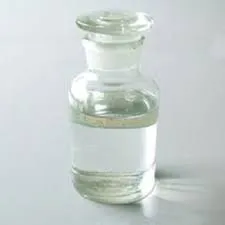
Undecylenic Acid
Role: A powerful fatty acid derived from castor oil, widely recognized and FDA-approved for its potent antifungal properties. It works by disrupting the cell walls of fungi, inhibiting their growth and spread.
Typically 10-25% concentration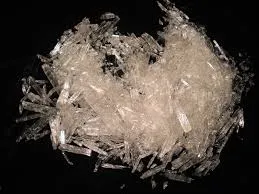
Menthol
Role: Provides a cooling, soothing sensation, which can alleviate discomfort and itching associated with fungal infections. It also possesses mild antiseptic properties and helps improve the penetration of other active ingredients.
0.5-5% concentration
Sweet Almond Oil
Role: A rich source of vitamins E, A, and D, and essential fatty acids. It deeply moisturizes and nourishes the nails and cuticles, preventing dryness and brittleness often caused by fungal infections and promoting healthy new growth.
Varies as carrier oil
Organic Flaxseed Oil
Role: Abundant in Omega-3 fatty acids, particularly alpha-linolenic acid (ALA), which contributes to cellular health and has anti-inflammatory properties. It supports nail strength and integrity, aiding in the recovery process.
Varies as carrier oil
Tea Tree Oil
Role: A well-known natural antiseptic and antifungal agent. Its active compounds, like terpinen-4-ol, directly target fungal cells, making it a powerful addition to combat infections and reduce inflammation.
5-10% concentration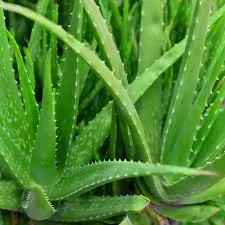
Aloe Vera
Role: Renowned for its soothing, healing, and anti-inflammatory properties. Aloe Vera helps to calm irritated skin around the nail, promotes tissue repair, and provides hydration crucial for healthy nail regeneration.
Varies as extract
Vitamin E Oil
Role: A powerful antioxidant that protects nail cells from damage and supports healthy circulation, which is essential for nail growth. It also deeply moisturizes, preventing dryness and cracking of the nail and surrounding skin.
Varies as additive
Walnut Oil
Role: Rich in antioxidants, vitamins, and minerals, walnut oil provides intense nourishment. It helps strengthen brittle nails, improves elasticity, and contributes to the overall protective barrier of the nail against environmental stressors.
Varies as carrier oilPrevention is Key: Maintaining Healthy Nails
Regardless of the treatment path you choose, adopting good nail hygiene and preventive measures is paramount to avoiding future fungal infections and supporting overall nail health.
Fungal infections thrive in specific conditions, and by modifying these, you can significantly reduce your risk of recurrence. Here are essential tips for maintaining healthy, fungus-free nails:
- Keep Feet Clean and Dry: Wash your feet daily with soap and water, paying close attention to the areas between your toes. Thoroughly dry your feet, especially after showering or swimming. Use a clean towel and consider applying foot powder to absorb excess moisture.
- Wear Breathable Footwear: Opt for shoes made of natural materials like leather or canvas that allow your feet to breathe. Avoid tight-fitting shoes or those made of synthetic materials that trap moisture. Change socks regularly, especially if your feet sweat a lot. Cotton or wool socks are preferable to synthetic ones.
- Practice Good Nail Hygiene: Trim your nails straight across and file the edges gently. Avoid cutting nails too short or tearing them. Sterilize nail clippers and files before each use, particularly if you've had a fungal infection. Do not share nail tools with others.
- Protect Your Feet in Public Areas: Always wear flip-flops or shower shoes in public locker rooms, showers, swimming pools, and gyms. These are common breeding grounds for fungi.
- Avoid Nail Salons with Poor Hygiene: If you get pedicures, ensure the salon sterilizes its instruments properly or bring your own. Unsanitized tools are a common vector for fungal transmission.
- Don't Share Personal Items: Avoid sharing towels, socks, shoes, or nail care tools with others.
- Address Athlete's Foot Promptly: If you develop athlete's foot (a fungal infection of the skin on your feet), treat it immediately to prevent it from spreading to your nails. Over-the-counter antifungal creams are usually effective.
- Boost Your Immune System: A healthy immune system can better fight off infections. Maintain a balanced diet, get regular exercise, and ensure adequate sleep.
By consistently following these practices, you create an environment that is less hospitable to fungi, significantly reducing your chances of developing or re-contracting toenail infections. For more comprehensive advice on prevention and hygiene, consider reading our article on Nail Care Tips for Fungus-Prone Individuals: Prevention and Hygiene.

Why Kerafen is the Smart Choice for Healthy Nails
After exploring various remedies, it's clear that effectively combating toenail fungus requires a targeted, consistent approach. Kerafen offers a premium, natural solution designed to give you the best chance at reclaiming clear, healthy nails.
- ✓ Doctor-Formulated: Developed with dermatological expertise for optimal effectiveness.
- ✓ Potent Natural Ingredients: A synergistic blend of antifungal and nail-nourishing compounds.
- ✓ Targets Deep-Seated Fungus: Designed for superior penetration to reach the source of infection.
- ✓ Supports Nail Regeneration: Helps restore the natural strength and appearance of your nails.
- ✓ Safe & Gentle: Made in a GMP-certified facility with no harsh chemicals.



Real Results from Kerafen Users
"I was skeptical after trying so many things, including ACV. Kerafen has been a game-changer. My nails are finally clearing up and looking healthy again. The difference is truly remarkable!"
"My toenail fungus was a source of constant embarrassment. Kerafen came highly recommended, and I'm so glad I tried it. Within weeks, I started seeing real improvement. It's easy to apply and truly works."
"I had almost given up on ever having normal nails again. ACV did nothing for me. Kerafen's natural ingredients really made a difference. My nails are stronger, clearer, and I feel so much more confident."
Frequently Asked Questions
What is apple cider vinegar and how is it supposed to help with nail fungus?
+Apple cider vinegar (ACV) is fermented apple juice, rich in acetic acid. It's believed to combat nail fungus due to its acidic pH, which may create an inhospitable environment for fungi. Some also attribute antimicrobial properties to ACV, though scientific evidence for its efficacy against common nail fungus species is limited.
Is there scientific evidence supporting ACV as a cure for toenail fungus?
+While anecdotal reports exist, robust scientific evidence from clinical trials demonstrating apple cider vinegar as a definitive cure for toenail fungus (onychomycosis) is largely lacking. Most studies are in vitro (test tube) and don't directly translate to human treatment efficacy. It's often considered a complementary or home remedy, not a primary medical treatment.
How should I apply apple cider vinegar for nail fungus?
+ACV is typically used as a foot soak or a direct topical application. For soaks, mix equal parts ACV and warm water, soaking the affected foot for 15-30 minutes daily. For direct application, dilute ACV with water (1:1 ratio) and apply with a cotton ball to the affected nail, allowing it to dry. Consistency is key, but results are not guaranteed.
Are there any risks or side effects when using ACV on nails?
+Yes, prolonged or undiluted ACV application can irritate the skin, cause dryness, or even chemical burns, especially for those with sensitive skin. It can also worsen existing skin conditions. Always dilute ACV and perform a patch test first. If irritation occurs, discontinue use.
When should I see a doctor for my nail fungus instead of relying on home remedies?
+You should consult a doctor if your nail fungus is severe, painful, spreading, causing discomfort, or if you have underlying health conditions like diabetes or a compromised immune system. Home remedies like ACV may not be strong enough for entrenched infections, and professional medical treatment can prevent complications and ensure proper diagnosis.
What are effective, natural alternatives to apple cider vinegar for nail fungus?
+Many natural ingredients have demonstrated antifungal properties, such as tea tree oil, oregano oil, snakeroot extract, and certain plant-based acids. Products like Kerafen utilize a blend of such potent natural ingredients, including Undecylenic Acid, Menthol, and Sweet Almond Oil, which work synergistically to target fungal infections and support nail health effectively, often with better documented results than ACV alone.
Related Articles