Are You Concerned About Your Thick, Yellow Nails?
Many people experience changes in their nail appearance, and thick, yellow nails are a common concern that can be both unsightly and uncomfortable. This condition, often affecting toenails more than fingernails, can lead to embarrassment, discomfort, and even pain if left unaddressed. It's a sign that something isn't quite right with your nail health, and understanding the underlying causes is the first step toward finding an effective solution.
While often associated with aging, thick and yellow nails can affect individuals of all ages. The most prevalent culprit is typically a toenail fungus (onychomycosis), which thrives in warm, moist environments. However, fungal infections are not the only cause, and it's crucial to explore other potential factors to ensure you're pursuing the most appropriate treatment. From minor trauma to systemic health conditions, the reasons behind nail discoloration and thickening can vary widely.
The Primary Culprit: Toenail Fungus (Onychomycosis)
When your nails become thick, brittle, and take on a yellowish, brownish, or even greenish hue, a fungal infection is often the first suspect. This condition, known as onychomycosis, is incredibly common, especially in toenails.
Fungi thrive in warm, dark, and moist environments – making shoes and socks the perfect breeding ground. Once a fungus takes hold, it can penetrate the nail plate, leading to a cascade of noticeable changes. Initially, you might observe a small white or yellow spot under the tip of your nail. As the infection progresses, the nail can become discolored, thickened, and crumbly at the edge. In severe cases, the nail may lift from the nail bed, cause pain, and emit a foul odor. Factors like age, compromised immune systems, diabetes, athlete's foot, and even minor nail injuries can increase your susceptibility to fungal infections.
Understanding the specific type of fungus involved can sometimes influence treatment, but generally, antifungal treatments target a broad spectrum of common dermatophytes, yeasts, and molds responsible for these infections. Early detection and consistent treatment are key to preventing the infection from spreading to other nails or skin.
💡 Key Takeaway
Thick, yellow nails are most commonly caused by fungal infections (onychomycosis), which can lead to discoloration, brittleness, and discomfort. Addressing the root cause is essential for restoring nail health.
Beyond Fungus: Other Causes of Thick and Yellow Nails
While fungal infections are the most frequent cause, it's important to recognize that several other conditions and factors can contribute to thick and yellow nails. A comprehensive understanding helps in accurate diagnosis and effective management.
One common non-fungal cause is nail trauma or injury. Repeated micro-traumas from ill-fitting shoes, stubbing a toe, or even vigorous pedicures can damage the nail bed and lead to thickening and discoloration. The body's natural response to injury is to produce more keratin, which results in a thicker nail plate. The discoloration can come from bleeding under the nail or chronic inflammation. For instance, athletes, especially runners, often experience this due to repetitive pressure on their toenails.
Certain skin conditions can also manifest in nail changes. Psoriasis, for example, is an autoimmune disease that affects the skin and nails. Psoriatic nails can become thick, pitted, discolored (often yellow-brown, resembling an oil drop), and may separate from the nail bed. Eczema can also impact nail health, leading to rough, discolored, or ridged nails. These conditions require specific dermatological treatments that differ significantly from antifungal approaches.
Underlying medical conditions are another crucial area to consider. Diseases such as diabetes, thyroid disorders, lung disease, kidney disease, or even lymphedema (swelling due to lymphatic system issues) can all affect nail appearance. For example, individuals with diabetes are more prone to infections due to impaired circulation and immune function, making them susceptible to fungal nails. Yellow nail syndrome, a rare condition, causes nails to thicken, yellow, and curve, often accompanied by lymphedema and respiratory problems. If you suspect an underlying health issue, consulting a doctor is paramount.
Aging naturally causes nails to thicken and become more brittle over time. As we age, nail growth slows, and the nails can become drier and more prone to splitting and discoloration. This is a normal part of the aging process, but it can also make nails more vulnerable to fungal infections. Lastly, reactions to chemicals or nail products can cause discoloration. Prolonged use of dark nail polishes without a base coat can stain the nails yellow, and exposure to certain chemicals can weaken the nail structure. Even some medications, like tetracycline antibiotics, can cause nail discoloration.
Understanding the Impact of Unhealthy Nails
Thick, yellow nails are more than just a cosmetic concern; they can signal underlying issues and impact your quality of life in various ways.
Physical Discomfort and Pain
Severely thickened nails can press against shoes, causing pain, blisters, and difficulty walking. This discomfort can limit mobility and participation in daily activities, making even simple tasks like standing or exercising challenging. Ingrown toenails are also a common complication, leading to further pain and potential infection.
Increased Risk of Further Infection
Damaged or infected nails create an entry point for other pathogens. If the nail plate is compromised, bacteria can enter the nail bed, leading to secondary bacterial infections that are often more serious and painful than the initial fungal issue. This is particularly concerning for individuals with weakened immune systems or diabetes.
Emotional and Social Impact
The unsightly appearance of thick, yellow nails can lead to significant self-consciousness and embarrassment. Many individuals avoid open-toed shoes, swimming, or other activities where their feet might be visible. This can impact self-esteem and social interactions, leading to feelings of isolation or anxiety.
Spread of Infection to Others
Fungal infections, especially, are contagious. Untreated fungal nails can easily spread to other nails, skin (causing athlete's foot), or even to family members through shared surfaces like shower floors, towels, or nail clippers. This makes effective treatment crucial not just for personal health but also for public health.
Long-Term Nail Damage
Chronic fungal infections or untreated nail trauma can cause permanent damage to the nail matrix, the part of the nail bed responsible for producing new nail cells. This can result in nails that grow back permanently deformed, brittle, or discolored, even after the infection is cleared. Early intervention can help preserve the integrity of the nail matrix.
Natural Solutions and Home Remedies for Nail Health
Before resorting to harsh chemicals or extensive medical procedures, many individuals find success with a combination of good hygiene practices and natural remedies. These approaches can be particularly effective for mild to moderate cases of thick, yellow nails.
Strict Foot and Nail Hygiene: This is the cornerstone of preventing and treating nail issues. Keep your feet clean and dry, especially after showering or swimming. Trim your nails straight across and file the edges gently to prevent ingrown nails. Sterilize nail clippers and files after each use, especially if you have a fungal infection. Wear clean, breathable socks (preferably cotton or wool) and change them daily. Avoid walking barefoot in public areas like gyms, pools, and locker rooms, where fungi thrive. Opt for well-ventilated shoes made of natural materials that allow your feet to breathe.
Dietary and Nutritional Support: Your diet plays a significant role in overall health, including the health of your nails. Ensure you're consuming a balanced diet rich in vitamins and minerals. Biotin (Vitamin B7) is well-known for its role in strengthening nails and hair. Foods like eggs, nuts, seeds, and sweet potatoes are good sources. Iron deficiency can lead to brittle nails, so ensure adequate intake of iron-rich foods or supplements if needed. Omega-3 fatty acids found in fish oil and flaxseed oil can also improve nail strength and reduce inflammation. Antioxidants from fruits and vegetables protect nail cells from damage.
Popular Home Remedies: Many natural ingredients possess antifungal and antiseptic properties that can be beneficial.
- Tea Tree Oil: Known for its potent antifungal and antiseptic qualities, tea tree oil can be applied directly to the affected nail after diluting it with a carrier oil like coconut or olive oil.
- Apple Cider Vinegar: Soaking your feet in a solution of apple cider vinegar and warm water can help create an acidic environment unfavorable for fungal growth.
- Vicks VapoRub: Some anecdotal evidence suggests that the active ingredients (menthol, camphor, eucalyptus oil) in Vicks VapoRub can help clear up toenail fungus.
- Garlic: Allicin, a compound in garlic, has antifungal properties. Crushed garlic can be applied topically or incorporated into your diet.
- Oregano Oil: Contains thymol, which has strong antifungal and antibacterial properties. Dilute with a carrier oil before applying.
Effective Natural Strategies for Nail Health
Beyond topical treatments, a holistic approach can significantly improve nail appearance and strength, preventing future occurrences.
Choose Breathable Footwear
Opt for shoes made of natural materials like leather or canvas, which allow air circulation. Avoid tight-fitting or synthetic shoes that trap moisture, creating a perfect breeding ground for fungi. Rotate your shoes to allow them to dry out completely between wears.
Boost Your Immune System
A strong immune system is your best defense against infections, including fungal ones. Incorporate immune-boosting foods like citrus fruits, leafy greens, and lean proteins into your diet. Consider supplements like Vitamin C, Vitamin D, and Zinc under professional guidance.
Regular Nail Care Routine
Beyond trimming, regularly inspect your nails for any changes. Gently clean under your nails with a soft brush. If you get professional pedicures, ensure the salon practices strict hygiene standards, sterilizing tools between clients to prevent cross-contamination.
Manage Moisture Exposure
While hydration is good, excessive moisture around your nails is not. Always dry your feet thoroughly after bathing. If you have sweaty feet, use antifungal powders or sprays. Wear waterproof gloves when doing dishes or prolonged water-related tasks to protect fingernails.
Introducing Kerafen: A Natural Approach to Nail Rejuvenation
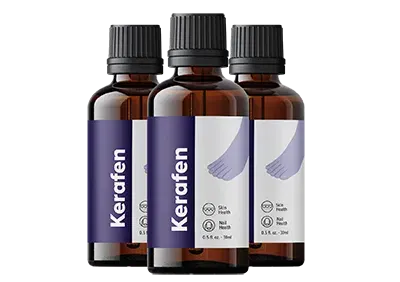
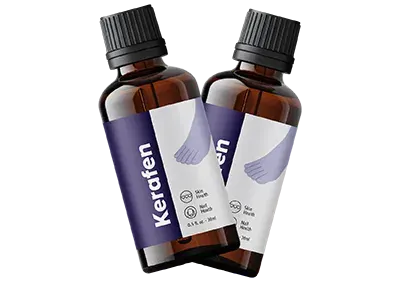
For those seeking a targeted and comprehensive natural solution, Kerafen offers a unique blend of ingredients specifically chosen to address the multiple facets of thick, yellow nails, particularly those caused by fungal infections. It aims to not only combat the infection but also to nourish and strengthen the nail for healthy regrowth.
Kerafen is formulated as a powerful topical solution that penetrates the nail bed to deliver its active compounds directly to the source of the problem. Its natural composition minimizes the risk of side effects often associated with conventional treatments, making it a gentle yet effective option for long-term nail health. The carefully selected ingredients work synergistically to create an unfavorable environment for fungi while supporting the natural healing process of your nails. This dual-action approach means Kerafen doesn't just treat symptoms; it helps restore the nail's natural beauty and resilience. For more information on similar products, you might find our article on natural antifungal supplement reviews helpful.
Kerafen's Potent Natural Ingredients for Nail Health
Kerafen harnesses the power of nature to combat nail issues and promote robust nail growth. Each ingredient is selected for its specific beneficial properties.
Undecylenic Acid
Role: A powerful fatty acid derived from castor oil, renowned for its strong antifungal properties. It works by inhibiting the growth of fungi, making it a primary weapon against onychomycosis. It also helps create an environment unsuitable for fungal survival.
Effective antifungal agent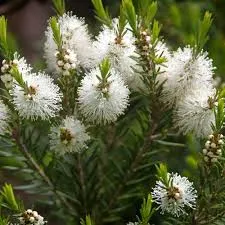
Tea Tree Oil
Role: A widely recognized essential oil with broad-spectrum antimicrobial, antifungal, and antiseptic properties. It penetrates the nail to fight infection, reduces inflammation, and helps prevent the spread of fungus, while also soothing irritated skin.
Antifungal & antiseptic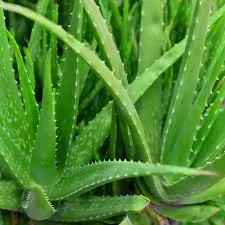
Aloe Vera
Role: Known for its soothing, healing, and moisturizing properties. Aloe Vera helps to repair damaged nail beds, reduce inflammation, and provide essential hydration, supporting healthy nail growth and preventing dryness and brittleness.
Soothing & healing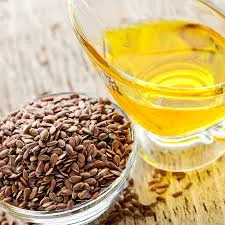
Organic Flaxseed Oil
Role: Rich in Omega-3 fatty acids, particularly alpha-linolenic acid (ALA), which possesses anti-inflammatory properties. It nourishes the nail and cuticle, promoting strength and flexibility, and contributes to a smoother, healthier nail surface.
Nourishing & anti-inflammatory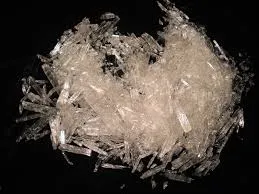
Menthol
Role: Provides a cooling and soothing sensation, which can relieve discomfort and itching associated with nail infections. It also has mild antiseptic properties and can help improve the penetration of other active ingredients into the nail.
Cooling & antiseptic
Vitamin E Oil
Role: A powerful antioxidant that protects nail cells from damage and promotes circulation to the nail bed. It deeply moisturizes and strengthens brittle nails, supporting healthy growth and improving overall nail appearance and resilience.
Antioxidant & moisturizing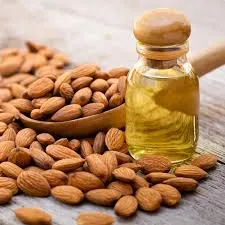
Sweet Almond Oil
Role: A gentle emollient rich in vitamins A, B, and E. It deeply moisturizes the cuticles and nails, preventing dryness and cracking. Its nourishing properties help to strengthen weak nails and improve their flexibility and overall health.
Moisturizing & strengthening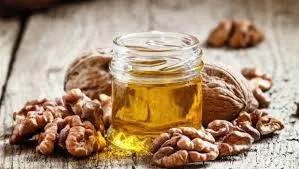
Walnut Oil
Role: Contains essential fatty acids and antioxidants that provide deep nourishment to the nails and surrounding skin. It helps to improve nail texture and strength, contributing to a smoother, healthier-looking nail plate and supporting cuticle health.
Nourishing & strengthening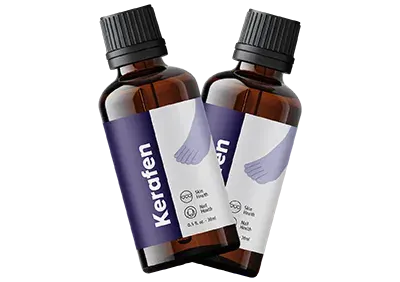
Reclaim Healthy, Clear Nails with Kerafen
Don't let thick, yellow, or brittle nails hold you back any longer. Kerafen offers a powerful blend of natural ingredients designed to target the root causes of thick, yellow nails, promoting healing and protection. Experience the confidence of healthy, beautiful nails once again.
- ✓ Advanced Natural Antifungal Formula
- ✓ Restores Nail Clarity and Smoothness
- ✓ Strengthens Brittle Nails & Promotes Healthy Growth
- ✓ Soothes & Nourishes Nail Bed and Cuticles
- ✓ Made with 100% Pure, Plant-Based Ingredients



Real People, Real Results: Kerafen Success Stories
"My toenails were a source of constant embarrassment for years. They were thick, yellow, and I hated showing them. After just a few weeks of using Kerafen, I started seeing a real difference. The yellow is fading, and the new growth looks so much healthier. I'm truly impressed!"
"I've tried everything for my brittle, discolored nails – prescriptions, home remedies, you name it. Kerafen is the first product that actually made a noticeable impact. My nails are stronger, clearer, and I don't have that awful crumbling anymore. It feels great to have healthy-looking nails again!"
"My doctor suggested trying a natural approach for my mild fungal infection, and Kerafen came highly recommended. The application is easy, and it doesn't have a strong chemical smell. My nails are definitely less yellow and growing out smoother. I'm optimistic about full recovery!"
Frequently Asked Questions
How does Kerafen help with thick, yellow nails?
+Kerafen is formulated with a potent blend of natural ingredients specifically chosen for their antifungal, anti-inflammatory, and nail-strengthening properties. Ingredients like Undecylenic Acid target fungal growth, while Tea Tree Oil and Aloe Vera soothe and repair damaged nail beds. Essential oils nourish and moisturize, promoting the growth of clear, healthy nails and improving overall nail appearance.
What are the most common causes of thick, yellow nails?
+The most common cause is a fungal infection, specifically onychomycosis. Other factors include nail trauma, psoriasis, eczema, certain medical conditions like diabetes, poor circulation, aging, and even reactions to nail polishes or chemicals.
Can thick, yellow nails be a sign of a more serious health problem?
+While often benign, thick, yellow nails can sometimes indicate underlying health issues such as diabetes, thyroid disease, lung conditions, or even liver problems. If you notice persistent changes, pain, or other concerning symptoms, it's always best to consult a healthcare professional.
How long does it take to see results from natural treatments or Kerafen?
+Nail growth is slow, so visible improvement typically takes time. With consistent application of natural remedies or Kerafen, you might start noticing changes in 4-8 weeks, but complete resolution and regrowth of a healthy nail can take 3-6 months for fingernails and 6-12 months for toenails. Patience and persistence are key.
Are there any side effects associated with Kerafen?
+Kerafen is made from 100% natural ingredients and is generally well-tolerated. However, as with any topical product, some individuals with highly sensitive skin might experience mild irritation. It's always recommended to perform a patch test before widespread use. If irritation occurs, discontinue use and consult a doctor.
What lifestyle changes can support healthier nails?
+Maintaining good foot hygiene, wearing breathable footwear, keeping nails trimmed, eating a balanced diet rich in vitamins and minerals, and avoiding harsh chemicals or excessive moisture can significantly contribute to healthier nails and prevent recurrence of issues.
Related Articles