Are You Wondering How Long It Truly Takes to Get Rid of Stubborn Toenail Fungus?
Toenail fungus, medically known as onychomycosis, is a common and often persistent condition that can leave your nails discolored, brittle, and thickened. For many sufferers, the most pressing question isn't just "how do I treat it?" but "how long until my nails look normal again?" The answer, unfortunately, is rarely simple or quick, often requiring patience and consistent effort.
Understanding the typical toenail fungus treatment timeline is crucial for managing expectations and staying motivated throughout your journey to clear, healthy nails. From initial signs of improvement to complete nail regrowth, the process can vary significantly based on a multitude of factors, which we will explore in detail.

The Nature of Toenail Fungus and Why It's So Persistent
Before delving into timelines, it's essential to understand what makes toenail fungus such a formidable foe. This common infection is caused by fungi, typically dermatophytes, yeasts, or molds, that thrive in warm, moist environments.
When these microscopic organisms infect your nail, they don't just sit on the surface. Instead, they burrow underneath the nail plate, into the nail bed, and sometimes even into the nail matrix where new nail cells are formed. This deep-seated nature is a primary reason why topical treatments often struggle to penetrate effectively, and why the infection is so challenging to eradicate.
Another significant factor contributing to the lengthy treatment timeline is the slow growth rate of toenails. A healthy toenail typically grows only about 1-2 mm per month, meaning it can take anywhere from 12 to 18 months for a completely new, healthy toenail to grow from base to tip. Since treatment aims to kill the fungus and allow healthy, clear nail to replace the infected portion, the speed of nail growth directly dictates the minimum duration of treatment.
Moreover, the fungus itself is incredibly resilient. It can survive in dormant states and quickly re-establish itself if treatment is stopped prematurely or if proper preventative measures aren't taken. This resilience necessitates a prolonged and consistent approach, making "quick fixes" often ineffective in the long run.
💡 Key Takeaway
Toenail fungus is persistent because it lives deep under the nail, and toenails grow very slowly. Effective treatment requires patience and consistency, typically spanning many months as the healthy nail replaces the infected part.
General Toenail Fungus Treatment Timeline: What to Expect
While individual experiences vary, a general timeline can help set realistic expectations for treating toenail fungus. This timeline is heavily influenced by the severity of the infection, the chosen treatment method, and your personal health factors.
Initial Signs of Improvement (Weeks 4-12): For most effective treatments, whether prescription oral medications, potent topical solutions, or a combination, you might start to see the first subtle signs of improvement within 1 to 3 months. This doesn't mean the fungus is gone, but rather that the new nail growing from the base appears healthier, less discolored, and perhaps less brittle. The old, infected nail will still be present and will need to grow out.
Visible Progress (Months 3-6): By this stage, if treatment has been consistent and effective, you should observe a clearer line of demarcation between the healthy, new nail growing from the cuticle and the still-affected portion. The overall appearance of the nail may be less thickened and discolored. For very mild cases, some individuals might see significant improvement or even complete clearance of the visible infection by this point, though continued treatment is often recommended.
Significant Clearance and Continued Growth (Months 6-12): This is often the longest and most crucial phase. The healthy nail continues to grow, gradually pushing out the infected nail. Depending on the initial severity and the speed of your nail growth, you might see the majority of the infected nail replaced by healthy nail. However, it is vital to continue treatment as advised by your healthcare provider, even if the nail looks clear, to prevent recurrence. Stopping too soon is a common reason for relapse.
Complete Clearance and Post-Treatment Care (Months 12-18+): For a full toenail to grow out completely clear and healthy, it typically takes 12 to 18 months, or even longer for some individuals. Even after the nail appears completely clear, ongoing preventative measures are highly recommended. This might include continued use of antifungal topical agents, maintaining excellent foot hygiene, and wearing breathable footwear to avoid re-infection. The battle against toenail fungus is often a marathon, not a sprint.
Factors That Influence Your Treatment Timeline
No two cases of toenail fungus are exactly alike, and therefore, no two treatment timelines will be identical. Understanding the variables involved can help you better predict your recovery journey.
Severity and Duration of Infection
A mild infection that has just started will naturally clear up faster than a severe, long-standing infection that has affected multiple nails and caused significant nail thickening or separation. The deeper the fungus has penetrated and the more of the nail plate it has damaged, the longer it will take to treat.
Type of Fungus
Different types of fungi can cause onychomycosis, and some are more resistant to treatment than others. Dermatophytes are the most common culprits, but yeasts and molds can also be involved, sometimes requiring different treatment approaches or longer durations.
Chosen Treatment Method
Oral antifungal medications tend to work faster than topical solutions because they deliver the medication systemically to the nail bed. However, they come with potential side effects. Topical treatments, while safer, require more patience. Laser therapy and surgical removal also have their own timelines and efficacy rates.
Individual Health Factors
Age plays a role, as nails tend to grow slower in older individuals. Underlying health conditions like diabetes, poor circulation, or a compromised immune system can also slow down the healing process and make individuals more susceptible to persistent infections. Overall nail health and growth rate are significant determinants.
Consistency and Adherence to Treatment
This is perhaps the most critical factor. Skipping doses, stopping treatment prematurely, or not following instructions precisely will significantly prolong the timeline or even lead to treatment failure and recurrence. Diligence is key to success.
Environmental and Lifestyle Factors
Exposure to moist environments, wearing non-breathable shoes, or frequent trauma to the nails can hinder recovery and increase the risk of re-infection. Adopting good foot hygiene and preventative habits is essential for a quicker and lasting recovery.

Common Treatment Options and Their Respective Timelines
Various treatment options are available for toenail fungus, each with its own benefits, drawbacks, and typical duration for results.
1. Oral Antifungal Medications: Drugs like terbinafine (Lamisil), fluconazole (Diflucan), and itraconazole (Sporanox) are often considered the most effective for moderate to severe infections. They work by delivering antifungal agents through the bloodstream directly to the nail bed.
Timeline: Typically prescribed for 6 to 12 weeks. However, visible clearance of the nail can still take 6-12 months as the healthy nail grows out. These medications carry risks of liver damage and drug interactions, requiring close monitoring by a doctor.
2. Topical Antifungal Lacquers and Creams: These include prescription options like efinaconazole (Jublia), tavaborole (Kerydin), and ciclopirox (Penlac), as well as over-the-counter creams. They are applied directly to the infected nail.
Timeline: Topical treatments generally require much longer commitment, often 6-12 months, and sometimes up to 18 months, for full efficacy. They are most effective for mild to moderate cases and may struggle to penetrate severe infections. Consistency is paramount. You can read more about various options in our article on natural nail health relief remedies.
3. Laser Therapy: Newer treatments involve using laser light to target and destroy the fungus beneath the nail.
Timeline: Several sessions (typically 3-4) over a few months are usually required. Like other treatments, the full visual improvement depends on nail regrowth, so clear nails can still take 6-12 months after the treatment course is completed.
4. Surgical Nail Removal: In very severe or painful cases, a doctor might recommend partial or complete removal of the infected nail.
Timeline: While immediate relief from the infected nail is achieved, the new nail will still take 12-18 months to grow back. Antifungal treatment is often continued during this regrowth period to prevent re-infection.
5. Natural and Home Remedies: Many individuals explore natural solutions, such as tea tree oil, apple cider vinegar, or essential oil blends. While some natural ingredients have antifungal properties, their efficacy can vary, and they may take longer to show results, if at all, compared to medical treatments.
Timeline: These can be very long-term, from several months to over a year, with results often less predictable. They are generally considered for very mild cases or as complementary therapies. For a deeper dive, check out our piece on tea tree oil as a nail fungus supplement.
It's important to consult with a healthcare professional to determine the best course of action for your specific situation, as self-diagnosis and treatment can sometimes lead to prolonged infection or complications.
The Role of Prevention in a Shorter Timeline
Foot Hygiene
Regular washing and thorough drying of feet, especially between toes, can significantly reduce the fungal load. Change socks daily, choosing breathable materials like cotton or wool.
Proper Footwear
Wear shoes that fit well and allow air circulation. Avoid tight, non-breathable shoes, which create a warm, moist environment conducive to fungal growth. Alternate shoes to allow them to dry out completely.
Public Areas
Always wear flip-flops or shower shoes in public showers, locker rooms, swimming pools, and other communal damp areas where fungi thrive. These places are breeding grounds for infection.
Nail Care
Trim nails straight across and file down any thickened areas. Sterilize nail clippers and files regularly. Avoid sharing nail tools. If you get pedicures, ensure the salon follows strict sanitation protocols.
Address Underlying Conditions
Manage conditions like diabetes or poor circulation, which can make you more vulnerable to infections. A strong immune system is your best defense against fungal overgrowth.
Natural Support
Consider using natural topical solutions with antifungal properties as part of your daily routine, even after the infection clears, to maintain nail health and prevent recurrence. This proactive approach can make a significant difference.
Introducing Kerafen: A Natural Approach to Supporting Nail Health and Fighting Fungus
For those seeking a natural, gentle yet effective option to support their nail health journey and combat toenail fungus, Kerafen offers a promising solution. Formulated with a blend of potent plant-based ingredients and essential oils, Kerafen aims to address the root causes of nail infection while promoting the growth of clear, healthy nails.
Kerafen is designed to be applied topically, leveraging the power of its natural components to penetrate the nail and target fungal invaders. Its holistic approach not only focuses on eradicating the fungus but also on nourishing and strengthening the nail structure, which can be crucial for a sustained recovery. While the overall timeline for seeing a completely clear nail will still align with your natural nail growth cycle (typically 6-18 months), consistent use of a product like Kerafen can help ensure that the new nail growing in is healthy and fungus-free from the start. For more information on dealing with stubborn infections, see our article on antifungal drops for thick discolored toenails.
Key Natural Ingredients in Kerafen and Their Benefits
Kerafen harnesses the power of nature with a carefully selected blend of ingredients, each chosen for its proven antifungal, anti-inflammatory, or nail-strengthening properties. Here's a look at some of the core components:

Tea Tree Oil (Melaleuca Alternifolia)
Role: A renowned natural antiseptic and antifungal agent. It penetrates the nail to combat various fungal strains, reducing inflammation and supporting healing.
Concentrated Extract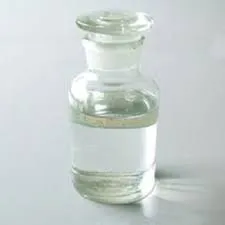
Undecylenic Acid
Role: A powerful fatty acid derived from castor oil, widely recognized for its antifungal properties. It helps inhibit the growth of fungus and prevents its spread, making it a cornerstone in many anti-fungal treatments.
Optimal Purity
Aloe Vera Leaf Extract
Role: Known for its soothing and healing properties. Aloe Vera helps to reduce inflammation, moisturize the skin around the nail, and support the overall healing process, creating a healthier environment for nail growth.
Potent Concentration
Organic Flaxseed Oil
Role: Rich in Omega-3 fatty acids, flaxseed oil provides essential nutrients that promote healthy nail growth and strength. It also has anti-inflammatory properties that can soothe irritated skin.
Cold-Pressed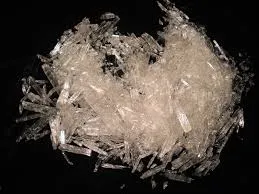
Menthol
Role: Provides a cooling and soothing sensation, which can help alleviate discomfort and itching associated with fungal infections. It also has mild antiseptic properties.
Natural Crystal
Sweet Almond Oil
Role: A natural emollient that deeply moisturizes and conditions the nails and cuticles. It helps to prevent brittleness and cracking, promoting overall nail resilience.
Pure & Nourishing
Vitamin E Oil
Role: A powerful antioxidant that supports nail health by repairing damaged cells and promoting circulation. It helps to strengthen weak nails and protect them from further damage.
D-Alpha Tocopherol
Walnut Oil
Role: Rich in antioxidants and essential fatty acids, walnut oil helps to nourish the nails and surrounding skin, contributing to their strength and healthy appearance. It also possesses mild antifungal qualities.
Nutrient-Dense
Ready to Begin Your Journey to Clearer, Healthier Nails?
Don't let toenail fungus hold you back any longer. Kerafen offers a powerful, natural solution designed to support your body's ability to fight off nail infections and promote robust nail regrowth.
- ✓ All-Natural Ingredients
- ✓ Supports Healthy Nail Growth
- ✓ Targets Fungal Infections
- ✓ Made in the USA, GMP Certified
- ✓ Backed by a 60-Day Money-Back Guarantee




Managing Expectations and Staying Consistent
Regardless of the treatment path you choose, managing your expectations and maintaining unwavering consistency are paramount to success. Toenail fungus did not develop overnight, and it will not disappear overnight.
It's common for individuals to become discouraged when they don't see immediate results. Remember that the goal is not just to kill the surface fungus, but to allow a completely healthy, uninfected nail to grow out. This biological process simply takes time. Even if the visible signs of fungus diminish, it's crucial to continue your treatment as directed for the full recommended duration to prevent a relapse.
Think of it as nurturing a new plant: you plant the seed (start treatment), water it regularly (consistent application), and protect it from pests (prevent re-infection). You wouldn't expect a fully grown tree in a week, just as you shouldn't expect a perfectly clear nail in a month. Patience, persistence, and a positive mindset are your most valuable allies in this journey. Documenting your progress with photos can also be a great motivator during the longer stages of treatment.
What Our Users Are Saying
"I've tried so many things for my toenail fungus over the years, and nothing really stuck. Kerafen has been different. After about 3 months, I started seeing real progress, and now, 8 months in, my nails are looking clearer than they have in a decade. It takes time, but it's worth the commitment."
"I was skeptical about another topical solution, but the natural ingredients in Kerafen convinced me to try. The smell is pleasant, and it's easy to apply. I'm 6 months into my treatment, and the new nail growth is visibly healthier. It's a slow process, but I finally feel like I'm winning this battle!"
"My big toe nail was severely discolored and thick. My doctor said it would take a year or more to fix. I've been using Kerafen for 9 months now, and the difference is incredible. The healthy part has grown out so much, and the thickness is gone. I still have a bit more to go, but I'm thrilled with the results."
Frequently Asked Questions
What is the typical timeline for toenail fungus treatment?
+The typical timeline for toenail fungus treatment can range from a few months to over a year, depending on the severity of the infection, the specific treatment method used, and individual factors like age and overall health. Mild cases might show improvement in 3-6 months, while severe infections can take 12-18 months for a completely clear nail to grow out. Consistency in treatment is crucial for success.
Why does toenail fungus take so long to treat?
+Toenail fungus takes a long time to treat primarily because the infection resides underneath the nail plate, making it difficult for topical treatments to penetrate effectively. Nails also grow very slowly, especially toenails, which can take 12-18 months to fully replace themselves. The fungus is resilient and requires consistent, prolonged treatment to be eradicated as the new, healthy nail grows out.
Can I speed up the toenail fungus treatment timeline?
+While you can't drastically "speed up" the natural nail growth cycle, you can optimize your treatment timeline by being extremely consistent with your chosen treatment, maintaining excellent foot hygiene, wearing breathable footwear, and addressing any underlying health conditions that might compromise your immune system. Combining treatments (e.g., topical with oral, or a potent natural solution) may also offer faster results for some individuals.
What factors influence how long it takes to clear toenail fungus?
+Several factors influence the treatment timeline: the severity and duration of the infection, the specific type of fungus, the chosen treatment method (topical, oral, laser), the individual's age, overall health, immune system strength, and most importantly, adherence to the treatment regimen. Re-infection risks also play a role.
When should I expect to see the first signs of improvement with Kerafen?
+With consistent application of Kerafen, many users report seeing initial signs of improvement within a few weeks to 2-3 months. This often includes a reduction in discoloration, less brittleness, and the beginning of healthy nail growth from the base. Complete eradication and the growth of a fully clear nail will still take several months, aligning with the natural nail growth cycle.
Is Kerafen a long-term solution for preventing re-infection?
+Kerafen is formulated with ingredients known for their antifungal and nail-strengthening properties, making it effective for addressing existing infections. For long-term prevention, continued use after the initial infection clears, along with good foot hygiene, wearing breathable shoes, and avoiding moist environments, can help reduce the risk of re-infection. Its natural formulation makes it suitable for ongoing nail health support.
Related Articles