Are Your Public Space Habits Putting Your Nails at Risk?
From the invigorating splash of a swimming pool to the sweat-inducing intensity of a gym workout, public facilities offer incredible health benefits. However, beneath the surface of these shared spaces lies a silent threat to your nail health: fungal infections. These persistent pathogens thrive in warm, moist environments, making communal showers, locker rooms, and pool decks prime breeding grounds for unsightly and often uncomfortable conditions like toenail fungus.
Understanding how these infections spread and, more importantly, how to prevent them, is crucial for anyone who frequents such areas. This comprehensive guide, informed by the latest dermatological research, will equip you with the knowledge and actionable strategies to keep your nails healthy and strong, ensuring your public health routines remain beneficial, not detrimental. Prioritizing proactive nail hygiene is your best defense against these common invaders.
Understanding the Enemy: What is Nail Fungus?
Before we delve into prevention, it's essential to understand what we're up against. Nail fungus, medically known as onychomycosis, is a common infection that can affect both fingernails and toenails, though it's far more prevalent in toenails. It's caused by various fungal organisms, primarily dermatophytes, but also yeasts and molds.
These microscopic fungi thrive in dark, warm, and moist environments. When they get under your nail, they begin to multiply, leading to a range of unpleasant symptoms. Initially, you might notice a subtle discoloration – often white or yellow – on one or more nails. As the infection progresses, the nail can become thicker, brittle, crumbly, or distorted in shape. It might also lift from the nail bed, and in severe cases, emit a foul odor. Beyond the cosmetic concerns, an untreated fungal infection can cause pain, discomfort, and difficulty walking, significantly impacting your quality of life.
The spread of nail fungus typically occurs through direct contact with fungal spores. These spores are shed by infected individuals and can survive on surfaces for extended periods. This is why public areas are such significant risk factors. Walking barefoot in a locker room where someone with athlete's foot (a related fungal infection of the skin on the feet) has recently been can easily transfer spores to your feet, which can then infiltrate your nails, especially if there are minor cuts or trauma to the nail or surrounding skin. Understanding this mode of transmission is the first step in building an effective defense strategy.
The High-Risk Zones: Why Public Spaces Are Hotbeds for Infection
Certain public environments are notorious for harboring fungal pathogens. Their inherent characteristics create the perfect ecosystem for these microorganisms to flourish and spread among unsuspecting visitors. Identifying these high-risk zones is crucial for implementing targeted prevention strategies.
Swimming Pools and Pool Decks: The very nature of swimming pools – warm water, high humidity, and communal use – makes them a primary breeding ground for fungi. Pool decks, often wet and warm, are perfect surfaces for fungal spores to linger. People walk barefoot, increasing the likelihood of direct contact with spores. The constant moisture also softens the skin and nails, making them more susceptible to fungal invasion. Even chlorinated water doesn't guarantee complete sterility against all fungal strains.
Gyms and Fitness Centers: Gyms are hives of activity, but also sweat, moisture, and shared equipment. Locker rooms, in particular, with their communal showers and changing areas, are major culprits. The floors are constantly damp, and the air is often humid. Shared mats, towels, and even certain types of gym footwear can also harbor fungi if not properly cleaned and disinfected. Any skin abrasion or micro-trauma, common during intense workouts, can provide an entry point for spores.
Public Showers and Bathrooms: Whether at a gym, a community center, or even a hotel, public showers and bathrooms are arguably the highest risk areas. The combination of warmth, constant moisture, and direct skin contact with wet floors creates an ideal environment for fungi to thrive. People often shower barefoot, and the water can easily splash fungal spores from the floor onto their feet and nails. This is where vigilance and protective footwear become absolutely non-negotiable.
These environments, while beneficial for health and recreation, demand a heightened awareness of hygiene to prevent the discomfort and persistence of toenail fungus and other nail infections. Your proactive measures in these areas are your strongest shield.
💡 Key Takeaway
Nail fungus thrives in warm, moist public places like gyms, pools, and showers. Understanding these high-risk zones and adopting strict hygiene practices are fundamental steps in preventing infections and maintaining healthy nails.
Your Personal Shield: Essential Prevention Strategies
Preventing nail fungus isn't about avoiding public spaces; it's about adopting smart, consistent habits that create a protective barrier for your nails. Here are the most effective strategies you can implement today.
Always Wear Protective Footwear
This is perhaps the most critical rule. Never walk barefoot in communal showers, locker rooms, around swimming pools, or in any shared damp area. Invest in a good pair of waterproof sandals, flip-flops, or shower shoes and wear them religiously. This simple barrier prevents direct contact between your feet and potentially contaminated surfaces.
Practice Meticulous Foot Hygiene
Wash your feet daily with soap and water, paying special attention to the areas between your toes. After washing, dry your feet thoroughly, especially between the toes, using a clean towel. Moisture is a fungus's best friend, so ensuring your feet are completely dry removes a key element for their survival and growth. Consider using a separate towel for your feet.
Maintain Proper Nail Care
Trim your toenails straight across, not too short, and file down any sharp edges. Avoid cutting the cuticles, as they act as a natural barrier against infection. Ensure any tools you use for nail care are clean and disinfected. If you get professional pedicures, ensure the salon sterilizes its instruments properly or bring your own.
Choose Breathable Footwear and Socks
Opt for shoes made of breathable materials like leather or canvas, which allow air circulation and reduce moisture buildup. Avoid tight-fitting shoes that can trap moisture and put pressure on your nails. Wear socks made of moisture-wicking materials (cotton or synthetic blends) and change them daily, or more often if your feet sweat excessively. This helps keep your feet dry throughout the day.
Disinfect Your Footwear Regularly
Your shoes can become a breeding ground for fungi. Regularly spray the inside of your shoes with an antifungal spray or use antifungal powders. Allow shoes to air out completely between wears. If possible, rotate your shoes to give them ample time to dry out. For gym bags, ensure they are also aired out and cleaned periodically.
Boost Your Immune System and Diet
A strong immune system is your body's first line of defense against all infections, including fungal ones. Maintain a balanced diet rich in vitamins, minerals, and antioxidants. Incorporate foods known for their antifungal properties. For more insights on this, you might find our article on foods that fight nail fungus particularly helpful. Staying hydrated and getting adequate sleep also contribute significantly to overall immune health.
Avoid Sharing Personal Items
Never share towels, nail clippers, files, or footwear with anyone, even family members. Fungal spores can easily transfer through these items. Each person should have their own set of personal hygiene tools to minimize the risk of cross-contamination. This simple rule extends to avoiding sharing socks or trying on shoes without wearing your own socks.
Address Athlete's Foot Promptly
Athlete's foot, a fungal infection of the skin on the feet, is often a precursor to toenail fungus. If you notice itching, redness, scaling, or peeling skin on your feet, especially between your toes, treat it immediately with an over-the-counter antifungal cream. Prompt treatment prevents the fungus from spreading to your nails.
Recognizing Early Signs and When to Act
Even with the best prevention strategies, infections can sometimes occur. Knowing how to spot the early signs of toenail fungus is crucial for prompt action, which can significantly improve treatment outcomes and prevent the infection from worsening or spreading.
The earliest indicators of a nail fungal infection are often subtle. You might first notice a slight change in the nail's color, typically appearing as a white or yellow spot under the tip of the nail. This discoloration can gradually spread and deepen. Other early signs include a dullness in the nail's natural luster, or a slight thickening that feels different when you touch it. Sometimes, the nail may become brittle or crumbly, with edges that chip or break more easily than usual.
As the infection progresses, these symptoms become more pronounced. The nail might turn a darker yellow, brown, or even black. It can become significantly thicker, making it difficult to trim, and may even distort in shape. In advanced stages, the nail may separate from the nail bed (a condition called onycholysis), and a foul odor can develop due to debris accumulating under the nail. Pain or discomfort can also arise, especially when wearing shoes or walking.
When to Seek Professional Help: It's always wise to consult a healthcare professional, such as a dermatologist, if you suspect you have a nail fungus infection. Early diagnosis allows for more effective and less invasive treatment options. Do not wait for the infection to become severe, as advanced cases are much harder to treat and can take longer to resolve. A doctor can accurately diagnose the type of fungus and recommend the most appropriate course of action, which might range from topical treatments to oral medications or even laser therapy in some cases. Remember, self-treating without a proper diagnosis might delay effective treatment.
Beyond Prevention: What if Infection Occurs?
Despite our best efforts, sometimes a fungal infection can still take hold. When prevention fails, understanding your treatment options becomes paramount. The good news is that various approaches, both conventional and natural, are available to help restore your nails to health.
Conventional Treatments: These typically include topical antifungal creams, lacquers, or oral antifungal medications. Topical treatments are often effective for mild to moderate infections, though they require consistent application for several months. Oral medications, prescribed for more severe cases, can be highly effective but may carry potential side effects and require monitoring. Laser therapy is another option that can be used to target the fungus directly.
Natural and Complementary Approaches: Many individuals seek out natural alternatives or complementary therapies, often due to concerns about side effects from conventional drugs or a preference for holistic wellness. Ingredients like tea tree oil, undecylenic acid, and various plant extracts have been studied for their antifungal properties. These natural solutions often work by inhibiting fungal growth, promoting a healthy nail environment, and nourishing the nail and surrounding skin. They can be particularly appealing for those looking for gentle, yet effective, support for their nail health.
For those interested in exploring different treatment avenues, including fast-acting solutions, our detailed guide on how to cure toenail fungus fast offers a wealth of information on both traditional and alternative methods. It's always recommended to discuss any treatment plan, whether conventional or natural, with a healthcare provider to ensure it's safe and appropriate for your specific condition.
Introducing Kerafen: A Natural Approach to Nail Health
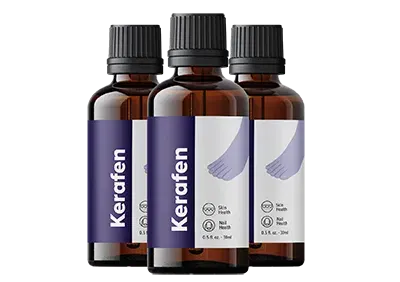
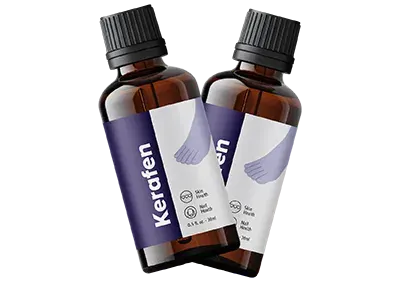
In the realm of natural solutions, Kerafen stands out as a carefully formulated topical oil designed to support healthy nails and combat fungal infections. Developed with a blend of potent botanical extracts and scientifically-backed compounds, Kerafen aims to address the root causes of nail issues while promoting regeneration and protection.
Kerafen is more than just an antifungal; it's a comprehensive nail health solution. Its unique blend of ingredients works synergistically to penetrate the nail plate, deliver active compounds directly to the site of infection, and nourish the nail matrix. This multi-faceted approach not only helps eliminate existing fungal issues but also supports the growth of stronger, healthier nails, helping to prevent future recurrences. By focusing on both eradication and rejuvenation, Kerafen offers a promising path to reclaiming clear, vibrant nails.
For those who have struggled with persistent infections or are seeking a natural alternative to harsh chemicals, Kerafen provides an accessible and gentle option. Its easy application makes it a convenient addition to any daily hygiene routine, reinforcing your commitment to healthy nail care.
Why Kerafen is a Trusted Choice for Nail Health
Kerafen distinguishes itself through a commitment to natural ingredients and a holistic approach to nail wellness. Here's why it's gaining recognition as a valuable ally against nail fungus:
Deep Penetration & Targeted Action
Kerafen's oil-based formula is designed to penetrate the tough nail plate, delivering its active ingredients directly to the fungal infection site. This ensures that the powerful compounds can reach the fungus where it lives, offering more effective relief than surface-level applications. This deep action is crucial for stubborn infections.
Synergistic Blend of Natural Ingredients
Instead of relying on a single compound, Kerafen combines several potent natural ingredients known for their antifungal, antibacterial, and nourishing properties. This synergistic blend works together to fight the infection, reduce inflammation, and create an inhospitable environment for fungi, maximizing its effectiveness.
Supports Nail Renewal and Strength
Beyond treating the infection, Kerafen is formulated with ingredients that nourish the nail bed and promote the growth of healthy, strong nails. It helps to rejuvenate damaged nails, restore their natural color and texture, and prevent brittleness. This focus on renewal means healthier nails emerge as the infection clears.
Easy and Convenient Application
Kerafen is designed for simple, hassle-free daily application. Its topical oil format allows for precise targeting of affected nails, making it easy to incorporate into your daily routine without interruption. Consistency is key, and Kerafen's user-friendly design encourages regular use for optimal results.
Gentle and Safe for Long-Term Use
Utilizing natural components, Kerafen offers a gentler alternative to some harsher chemical treatments. This makes it suitable for individuals with sensitive skin and potentially for long-term use as a preventative measure or for ongoing nail maintenance, under professional guidance, without significant concern for adverse reactions.
Beyond the Product: Daily Habits for Fungus-Free Feet
Always Wear Shower Shoes
Make it a non-negotiable rule: never go barefoot in public showers, locker rooms, or around pool areas. Your flip-flops or water sandals are your primary defense against fungal spores lurking on damp floors. This simple habit can drastically reduce your risk of infection.
Dry Feet Thoroughly
After showering or swimming, meticulously dry your feet, especially between your toes. Fungi thrive in moisture, so eliminating dampness is crucial. Use a clean, absorbent towel and consider a hairdryer on a cool setting for hard-to-reach areas. Change socks immediately if your feet get wet.
Trim Nails Properly
Keep your toenails trimmed short and straight across. Avoid rounded edges or cutting them too short, as this can create ingrown nails or expose the nail bed to infection. Use clean, disinfected clippers, and avoid sharing them with anyone. Proper trimming reduces areas where fungi can hide and multiply.
Choose Breathable Footwear
Opt for shoes made of natural, breathable materials like leather or canvas, which allow air to circulate and reduce sweat. Avoid tight, synthetic shoes that trap moisture. Rotate your shoes daily to allow them to fully air out and dry between wears, further discouraging fungal growth.
Disinfect Public Surfaces (Where Possible)
While not always feasible, if you have control over a shared space (e.g., your own shower after a guest), disinfect surfaces regularly. At the gym, use sanitizing wipes for equipment. The principle is to minimize contact with potentially contaminated surfaces, reinforcing a clean environment for everyone.
Avoid Sharing Personal Items
Towels, nail clippers, and even socks should be strictly personal items. Sharing these can easily transfer fungal spores from one person to another. Be diligent about using only your own hygiene products and tools to prevent cross-contamination and safeguard your nail health.
Kerafen's Potent Natural Ingredients
Kerafen's effectiveness stems from its carefully selected blend of natural ingredients, each chosen for its proven benefits in combating fungal infections and promoting overall nail health. These powerful components work in harmony to deliver comprehensive support.
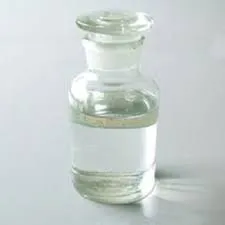
Undecylenic Acid
Role: A potent fatty acid derived from castor oil, widely recognized for its strong antifungal properties. It works by inhibiting the growth of fungi and yeasts, preventing them from penetrating and damaging the nail structure. It's a cornerstone of many effective antifungal treatments.
Effective Antifungal
Tea Tree Oil (Melaleuca Alternifolia)
Role: A renowned essential oil with powerful antiseptic, antifungal, and antibacterial properties. It helps to eradicate existing fungal infections, soothe inflammation, and prevent secondary bacterial infections. Its natural aroma also helps neutralize odors.
Antifungal & Antiseptic
Aloe Vera Leaf Extract
Role: Known for its soothing, healing, and moisturizing properties. Aloe Vera helps to calm irritated skin around the nail, reduce inflammation, and provide essential hydration, supporting the skin's natural barrier function against infection.
Soothing & Healing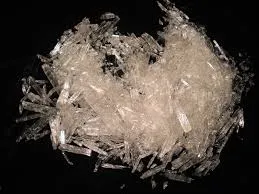
Menthol
Role: Provides a cooling and soothing sensation, which can help alleviate discomfort and itching often associated with fungal infections. It also possesses mild antiseptic properties and can help improve the penetration of other active ingredients.
Cooling & Soothing
Vitamin E Oil
Role: A powerful antioxidant that nourishes the nails and skin. It promotes healthy cell growth, strengthens the nail plate, and helps to repair damage caused by fungal infections. Vitamin E also keeps the cuticles supple and healthy.
Nourishing Antioxidant
Organic Flaxseed Oil
Role: Rich in Omega-3 fatty acids, which are essential for skin and nail health. It provides deep moisturization, reduces inflammation, and supports cellular regeneration, helping to restore the nail's natural strength and appearance.
Omega-3 Rich & Moisturizing
Sweet Almond Oil
Role: A gentle emollient and carrier oil that deeply moisturizes and conditions the nails and cuticles. It helps to soften brittle nails, making them less prone to breakage, and aids in the absorption of other active ingredients.
Emollient & Carrier
Walnut Oil
Role: Packed with essential fatty acids and vitamins, walnut oil contributes to nail strength and resilience. It has nourishing properties that help to improve the overall health and appearance of damaged nails, fostering robust growth.
Strengthening & Revitalizing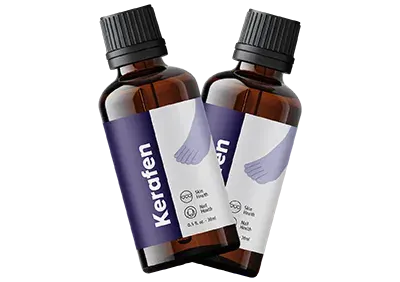
Reclaim Your Nail Health with Kerafen Today!
Don't let unsightly and uncomfortable nail fungus hold you back. Kerafen offers a powerful, natural solution designed to help you regain clear, healthy nails. Its unique blend of ingredients works to combat infections while nourishing and strengthening your nails from within.
- ✓ Potent natural ingredients for effective action
- ✓ Supports healthy nail growth and renewal
- ✓ Easy and convenient topical application
- ✓ Manufactured in a GMP-certified facility in the USA
- ✓ Backed by a 60-day 100% Money-Back Guarantee




What Our Customers Say About Kerafen
"I was so embarrassed by my toenails, especially after gym sessions. I tried Kerafen and after a few weeks, I noticed a huge difference. My nails are looking clearer and healthier than they have in years. It's a game-changer for someone who's active!"
"Public pool visits always left me worried. Kerafen has become a part of my routine. I apply it regularly, and my nails have never been stronger or looked better. It's easy to use and gives me peace of mind. Highly recommend for prevention and treatment!"
"I've battled nail fungus for years, especially from using communal showers. Kerafen is the first natural product that truly made a difference. The discoloration is fading, and my nails feel healthier. Plus, the 60-day guarantee made it a no-brainer to try."
Frequently Asked Questions
How common are nail fungus infections from public places?
+Nail fungus infections, particularly toenail fungus (onychomycosis), are remarkably common, affecting a significant portion of the adult population. Public environments like gyms, swimming pools, and communal showers are indeed high-risk areas. These places provide the ideal warm, moist conditions for fungi to thrive and spread. Studies suggest that individuals who frequently use such facilities have a higher incidence of fungal infections due to increased exposure to spores on shared surfaces. Maintaining proper hygiene and protective measures is crucial in these settings.
What are the first signs of a nail fungus infection?
+Early detection is key to effective treatment. The first signs of a nail fungus infection can be subtle and often go unnoticed. Look for a slight discoloration of the nail, which might appear white, yellow, or brownish. The nail might also become brittle, crumbly, or develop a chalky texture. You may notice a slight thickening of the nail or a foul odor emanating from beneath it. If you observe any of these changes, especially after frequenting public high-risk areas, it's advisable to consult a healthcare professional.
Are shower shoes truly effective in preventing nail fungus?
+Yes, shower shoes or flip-flops are highly effective and strongly recommended for preventing nail fungus infections in public showers, locker rooms, and around swimming pools. They create a physical barrier between your bare feet and contaminated surfaces, significantly reducing your direct exposure to fungal spores. Fungi thrive in moist, warm environments, and public floors are often teeming with these microorganisms. Wearing protective footwear is one of the simplest yet most impactful preventative measures you can take.
Can Kerafen be used as a preventative measure?
+While Kerafen is primarily formulated to address existing toenail fungus and nail infections, its blend of powerful natural ingredients, including antifungal agents and nourishing oils, can contribute to overall nail health. By supporting a healthy nail environment, it may indirectly help strengthen your nails' natural defenses. For explicit prevention, strict adherence to hygiene practices, wearing protective footwear, and keeping nails dry and clean are the primary recommended strategies. If you are concerned about prevention, consult with a dermatologist.
How long does it take to see results with Kerafen?
+The time it takes to see noticeable improvements with Kerafen can vary significantly from person to person, depending on the severity and duration of the infection, as well as individual body responses. Typically, consistent application as directed is crucial. Many users report seeing initial changes in nail appearance within a few weeks, but complete nail regeneration and full recovery from fungus can take several months, as the healthy nail needs to grow out completely. Patience and consistency are vital for the best outcomes.
Is Kerafen safe for long-term use?
+Kerafen is formulated with natural ingredients known for their beneficial properties and generally considered safe for topical use. However, like any product, individual sensitivities can occur. If you plan to use Kerafen for an extended period, or if you have pre-existing skin conditions or allergies, it's always recommended to consult with a healthcare professional or dermatologist. They can provide personalized advice based on your specific health profile and ensure it's appropriate for your long-term nail care regimen.
Related Articles