Are your persistent nail problems signaling a deeper issue within your body?
Many people struggle with stubborn toenail fungus and other nail infections, treating them with various topical remedies, only to find the problem returns. What if the root cause isn't just external, but deeply connected to your internal health, specifically your diet and a common yeast called Candida?
This article delves into the often-overlooked connection between an antifungal diet, Candida overgrowth, and the health of your nails. We'll explore how what you eat can profoundly impact your susceptibility to fungal infections and provide actionable strategies to combat Candida, leading to healthier, stronger nails. Understanding this gut-nail axis is crucial for long-term relief and vibrant nail health.

The Candida Conundrum: More Than Just a Gut Problem
Candida albicans is a type of yeast that naturally lives in and on our bodies, including the gut, mouth, and skin. In healthy amounts, it's harmless. However, various factors can lead to an overgrowth, transforming it from a benign commensal into a troublesome pathogen. This overgrowth is known as candidiasis or Candida overgrowth syndrome.
When Candida proliferates beyond its normal limits, it can penetrate the intestinal lining, releasing toxins into the bloodstream. This condition, often referred to as "leaky gut," can trigger a cascade of health issues throughout the body. Symptoms can be diverse and elusive, ranging from digestive complaints like bloating and gas to fatigue, brain fog, skin rashes, and even mood swings. But what does this have to do with your nails?
The connection lies in the systemic impact of Candida overgrowth. A compromised gut microbiome and chronic inflammation can weaken the immune system, making the body more susceptible to infections, including fungal infections of the nails. Furthermore, Candida itself, or other opportunistic fungi that thrive in similar internal environments, can directly infect the nails, leading to the familiar symptoms of toenail fungus (onychomycosis).
Think of your body as an ecosystem. If the internal balance is disrupted, it creates fertile ground for undesirable inhabitants. A diet high in sugar and refined carbohydrates, frequent antibiotic use, chronic stress, and certain medications (like corticosteroids or oral contraceptives) are all major culprits that can upset this delicate balance, feeding Candida and paving the way for infections to take hold, including those stubbornly residing in your nails.
💡 Key Takeaway
Candida overgrowth is not limited to the gut; its systemic effects, including a weakened immune system and chronic inflammation, can directly contribute to persistent toenail fungus and other nail infections. Addressing Candida at its root is crucial for long-term nail health.
Nail Health: A Window to Your Internal World
Your nails are more than just cosmetic features; they are indicators of your overall health. Changes in their appearance, texture, or strength can signal underlying nutritional deficiencies, systemic diseases, or, as we're discussing, fungal infections often exacerbated by internal imbalances.
Toenail fungus, specifically, is characterized by thickened, discolored (yellow, brown, or white), brittle, and sometimes crumbly nails. It can also cause the nail to separate from the nail bed. While external factors like moist environments or minor trauma can initiate an infection, a robust immune system and a balanced internal environment are usually effective at fighting it off. When the body's defenses are weakened, however, the fungus can take root and flourish.
The link between Candida overgrowth and toenail fungus is particularly strong. While Candida albicans is one type of yeast, other dermatophytes (fungi) are also common culprits in onychomycosis. However, the conditions that allow Candida to thrive internally – such as a diet high in sugar and a compromised gut – also create an ideal environment for other fungi to flourish, both internally and externally. This means that if your body is struggling with Candida overgrowth, your nails are likely more vulnerable to fungal attacks from any source.
Moreover, the inflammation associated with systemic Candida can impair circulation to the extremities, including the nail beds. Reduced blood flow means fewer nutrients and immune cells reach the nails, making them weaker and less able to resist infection. This creates a vicious cycle where internal imbalance leads to external vulnerability, and external infection further strains the body. For more insights on persistent nail issues, you might find our article on antifungal-drops-thick-discolored-toenails.html helpful.
The Antifungal Diet: Your First Line of Defense
An antifungal diet is a powerful therapeutic tool designed to starve Candida and other opportunistic fungi, restore gut balance, and boost your immune system. It's not just about what you eliminate, but also what you include to support healing and detoxification.
Eliminating Sugar and Refined Carbohydrates
Sugar is Candida's primary fuel source. By drastically reducing or eliminating all forms of sugar (including hidden sugars in processed foods, fruit juices, and most fruits initially) and refined carbohydrates (white bread, pasta, pastries), you cut off the yeast's energy supply. This is the most crucial step in any antifungal protocol, as it directly inhibits Candida's ability to grow and multiply.
Focusing on Whole, Unprocessed Foods
The diet emphasizes nutrient-dense, whole foods. This includes plenty of non-starchy vegetables (leafy greens, broccoli, cauliflower, bell peppers), lean proteins (organic chicken, wild-caught fish, eggs), and healthy fats (avocado, coconut oil, olive oil). These foods provide essential vitamins, minerals, and fiber without feeding the yeast, supporting overall health and gut repair.
Incorporating Antifungal Foods and Herbs
Certain foods possess natural antifungal properties. Garlic (allicin), coconut oil (caprylic acid), olive oil (oleuropein), and spices like turmeric and ginger can actively help combat Candida. Incorporating these into your daily meals provides additional therapeutic benefits, helping to reduce fungal loads internally.
Restoring Gut Flora with Probiotics
A healthy gut microbiome is essential for keeping Candida in check. Introducing beneficial bacteria through probiotic-rich foods (like unsweetened fermented vegetables or kefir) or high-quality probiotic supplements helps repopulate the gut with "good" bacteria, which compete with Candida for resources and produce compounds that inhibit its growth.
Hydration and Detoxification Support
Drinking plenty of filtered water is vital for flushing out toxins released by dying Candida and supporting the body's natural detoxification pathways. Herbal teas and lemon water can also aid in this process, further assisting the body in cleansing itself and reducing the burden on the immune system.

Foods to Embrace on Your Antifungal Journey
Building a strong defense against Candida starts with nourishing your body with foods that support a healthy internal environment and actively fight off fungal invaders. Here's what to prioritize:
Non-Starchy Vegetables: These are your best friends. Load up on leafy greens (spinach, kale, collards), cruciferous vegetables (broccoli, cauliflower, Brussels sprouts), asparagus, celery, cucumbers, bell peppers, onions, and garlic. They are low in sugar, high in fiber, and packed with vitamins and minerals that support detoxification and immune function. Garlic, in particular, contains allicin, a compound with potent antifungal properties.
Lean Proteins: Essential for tissue repair and immune function. Opt for grass-fed beef, organic poultry, wild-caught fish (especially those rich in Omega-3s like salmon and sardines), and eggs. These provide necessary amino acids without contributing to inflammation or feeding yeast.
Healthy Fats: Crucial for hormone production, cell health, and satiety. Include avocados, olive oil, coconut oil, flaxseed oil, and nuts/seeds (almonds, walnuts, chia seeds, flax seeds). Coconut oil is particularly beneficial due to its caprylic acid content, a known antifungal agent.
Probiotic-Rich Foods: To restore gut balance, incorporate unsweetened fermented foods like sauerkraut, kimchi, and plain kefir or yogurt (if dairy is tolerated and unsweetened). These introduce beneficial bacteria that compete with Candida and help strengthen the gut lining.
Antifungal Herbs & Spices: Beyond garlic, consider adding turmeric, ginger, oregano, thyme, rosemary, and cinnamon to your meals. These not only add flavor but also offer significant antifungal and anti-inflammatory benefits.
Low-Sugar Fruits (in moderation): While most fruits are initially restricted due to their sugar content, small amounts of berries (strawberries, blueberries, raspberries) can be introduced once symptoms improve, as they are lower in sugar and high in antioxidants.
Water: Stay well-hydrated with filtered water throughout the day to support detoxification and overall cellular health. Herbal teas (like ginger or peppermint) can also be beneficial.
Foods to Avoid and Why They Fuel Fungal Growth
Understanding what to eliminate is just as important as knowing what to include. These foods directly feed Candida and can undermine your efforts to achieve healthy nails:
Sugar: This is the number one culprit. All forms of added sugar – cane sugar, high-fructose corn syrup, honey, maple syrup, agave nectar, even artificial sweeteners – should be avoided. Candida thrives on sugar, and consuming it will only perpetuate the overgrowth and related symptoms, including nail infections. Even fruit juices, despite being "natural," are concentrated sources of sugar.
Refined Carbohydrates: White bread, pasta, pastries, cakes, cookies, and white rice are quickly broken down into sugar in the body, providing another feast for Candida. These foods also lack fiber and essential nutrients, contributing to an unhealthy gut environment.
Yeast-Containing Foods: Bread, pastries, and even some fermented foods like vinegar (especially white vinegar) and alcohol (beer, wine, spirits) contain yeast which can exacerbate Candida overgrowth. While some fermented foods with beneficial bacteria are encouraged, those with active yeast should be avoided.
Certain Dairy Products: While unsweetened kefir and yogurt can be beneficial due to probiotics, cow's milk and other dairy products can be problematic for some. Lactose is a sugar that can feed Candida, and dairy can also be inflammatory for many individuals, further compromising gut health and immune function.
Mushrooms (some types): While some medicinal mushrooms are beneficial, common edible mushrooms are often avoided on strict antifungal diets as they are fungi themselves, and some believe they can contribute to fungal proliferation. However, this is a debated point, and some protocols allow them.
Caffeine and Alcohol: Both can put stress on the liver and adrenal glands, impairing the body's ability to detoxify and manage stress, which in turn can weaken immune response and create an environment conducive to Candida growth. Alcohol, in particular, is a sugar and a yeast product.
Adhering to these guidelines requires discipline, but the benefits for your overall health, and especially for clearing up stubborn nail infections, can be profound. Remember, consistency is key when disrupting Candida's stronghold. For other effective strategies, consider reviewing our guide on best-treatment-for-nail-fungus.html.
Lifestyle Factors: Beyond the Plate
Stress Management
Chronic stress elevates cortisol levels, which can suppress the immune system and promote Candida growth. Incorporate stress-reducing practices like meditation, yoga, deep breathing exercises, or spending time in nature. A calm mind supports a healthy body.
Regular Exercise
Physical activity boosts circulation, enhances immune function, and aids in detoxification. Aim for a balance of cardio, strength training, and flexibility exercises. Just be sure to practice good hygiene, especially for your feet, after workouts to prevent fungal growth.
Adequate Sleep
Quality sleep is fundamental for immune system repair and overall healing. Aim for 7-9 hours of uninterrupted sleep per night. Sleep deprivation can weaken your body's defenses, making it harder to fight off infections like Candida.
Foot Hygiene & Breathable Footwear
For toenail fungus specifically, maintaining dry and clean feet is paramount. Change socks daily, wear breathable shoes, and avoid walking barefoot in public damp areas. Allowing your feet to air out regularly can prevent the moist environment fungi love. For more on prevention, check out athletes-foot-vs-toenail-fungus-treatment.html.
The Role of Topical Support: Introducing Kerafen
While an antifungal diet addresses the internal environment, topical treatments remain a crucial component for directly combating existing toenail fungus. This is where Kerafen comes into play. Kerafen is formulated with a blend of natural ingredients known for their antifungal, antiseptic, and nail-strengthening properties, designed to work synergistically to restore nail health.
By applying Kerafen directly to the affected nails, you deliver concentrated active ingredients right to the source of the infection. This dual approach – addressing the internal root causes through diet and lifestyle, and treating the external symptoms with a potent topical solution – offers a comprehensive strategy for overcoming stubborn toenail fungus and preventing its recurrence.
Kerafen's ingredients are carefully selected to not only fight the fungus but also to soothe irritation, reduce discoloration, and promote the growth of strong, healthy nails. It provides a targeted, external defense while your body works to rebalance its internal ecosystem through dietary changes. The combination of internal and external strategies often yields faster and more sustainable results than either approach alone, helping you achieve clear, vibrant nails more effectively.
Key Natural Ingredients in Kerafen
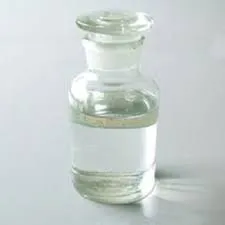
Undecylenic Acid
Role: A powerful fatty acid derived from castor oil, widely recognized for its potent antifungal properties. It works by disrupting the cell walls of fungi, making it highly effective against various types of fungal infections, including those causing toenail fungus.
Typically 10-25% topical concentration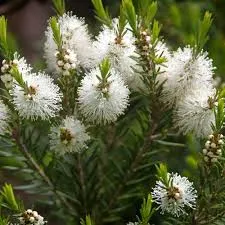
Tea Tree Oil
Role: A renowned natural antiseptic and antifungal agent. Its active compounds, particularly terpinen-4-ol, can penetrate the nail plate to combat fungal growth, reduce inflammation, and promote healing.
Typically 5-10% topical concentration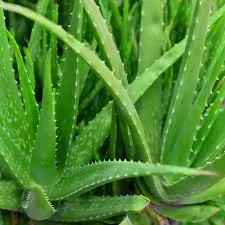
Aloe Vera Leaf Extract
Role: Known for its soothing, anti-inflammatory, and healing properties. It helps to calm irritated skin around the nail, moisturize the nail bed, and support healthy cell regeneration, aiding in the recovery of damaged nails.
Various concentrations in gels/creams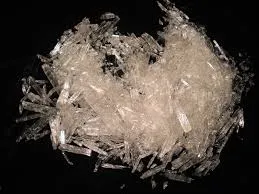
Menthol
Role: Provides a cooling sensation that can relieve discomfort and itchiness associated with fungal infections. It also has mild antiseptic properties and can help improve the penetration of other active ingredients.
Typically 0.5-3% topical concentration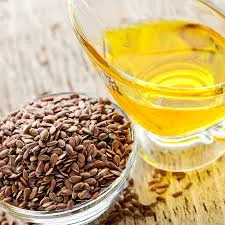
Organic Flaxseed Oil
Role: Rich in Omega-3 fatty acids, which are potent anti-inflammatory agents. It helps to nourish the nail and surrounding skin, promoting strength and elasticity while reducing inflammation that can hinder healing.
Used as a carrier oil/emollient
Sweet Almond Oil
Role: A gentle, nourishing carrier oil rich in vitamins E, A, and D. It deeply moisturizes the nail and cuticle, preventing brittleness and breakage, and enhances the absorption of other active ingredients.
Used as a carrier oil/emollient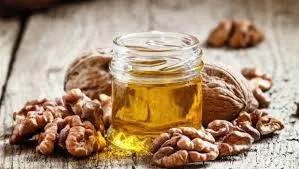
Walnut Oil
Role: Contains essential fatty acids and antioxidants that contribute to nail strength and health. It helps to protect the nail from environmental damage and provides a nourishing base for healing.
Used as a carrier oil/emollient
Vitamin E Oil
Role: A powerful antioxidant that supports nail growth and repair. It helps to protect nail cells from oxidative damage, improves circulation to the nail bed, and moisturizes, leading to stronger, healthier-looking nails.
Typically 0.5-5% topical concentration
Reclaim Your Healthy Nails with Kerafen
Don't let toenail fungus dictate your comfort or confidence any longer. Kerafen offers a powerful, natural solution designed to penetrate deep and combat fungal infections, working in harmony with your body's natural healing processes.
- ✓ Advanced Natural Antifungal Formula
- ✓ Supports Clear, Healthy Nail Growth
- ✓ Soothes & Nourishes Damaged Nails
- ✓ Easy-to-Use Topical Application
- ✓ Backed by a 60-Day Money-Back Guarantee



What Our Customers Say
"I've battled toenail fungus for years, trying everything. Kerafen, combined with dietary changes, has finally given me hope. My nails are looking clearer and healthier than ever. It's a game-changer!"
"After reading about the candida connection, I started an antifungal diet and used Kerafen. The improvement in my nails and overall energy is remarkable. This product truly works!"
"My podiatrist recommended a holistic approach, and Kerafen was part of it. The natural ingredients are gentle yet effective. My nails are stronger and the discoloration is fading. Highly recommend!"
Frequently Asked Questions
What is Candida overgrowth and how does it affect nails?
+Candida overgrowth, often referred to as candidiasis, occurs when the Candida yeast, naturally present in the body, multiplies excessively. This imbalance can lead to various symptoms, including digestive issues, fatigue, and skin problems. When Candida affects the nails, it can manifest as toenail fungus (onychomycosis), causing discoloration, thickening, brittleness, and separation of the nail from the nail bed. It thrives in warm, moist environments, and a compromised immune system or high sugar diet can exacerbate its growth, making nails particularly vulnerable.
What foods should I avoid on an antifungal diet?
+On an antifungal diet, the primary goal is to starve the Candida yeast by eliminating its preferred food sources. This typically includes avoiding high-sugar foods (processed sugars, artificial sweeteners, fruit juices, most fruits initially), refined carbohydrates (white bread, pasta, pastries), fermented foods with yeast (bread, alcohol, vinegar), and certain dairy products. Some also recommend limiting caffeine and certain mushrooms. The focus is on reducing inflammation and creating an environment where Candida cannot thrive.
What foods are recommended for an antifungal diet?
+An antifungal diet emphasizes whole, unprocessed foods that help rebalance gut flora and inhibit Candida growth. This includes non-starchy vegetables (leafy greens, broccoli, peppers), lean proteins (chicken, fish, eggs), healthy fats (avocado, olive oil, coconut oil), and certain low-sugar fruits in moderation (berries). Antifungal herbs and spices like garlic, turmeric, ginger, and oregano are also beneficial. Probiotic-rich foods like unsweetened yogurt or kefir can help restore beneficial bacteria.
How long does it take to see improvements in nail health with an antifungal diet?
+The timeline for seeing improvements in nail health from an antifungal diet varies significantly based on the severity of the Candida overgrowth, individual metabolism, and adherence to the diet. While some people may notice general health improvements within a few weeks (e.g., better digestion, increased energy), nail health changes are often slower. Nails grow slowly, so it can take several months—typically 3 to 12 months—for new, healthy nail growth to replace the affected portions. Consistency is key, and combining diet with topical treatments like Kerafen can often accelerate visible results.
Can Kerafen be used alongside an antifungal diet?
+Absolutely. Kerafen is a topical solution designed to target toenail fungus directly and is an excellent complement to an antifungal diet. While the diet addresses systemic Candida overgrowth and creates an internal environment hostile to yeast, Kerafen provides external support by delivering powerful natural antifungal ingredients directly to the affected nails. This dual approach can significantly enhance your chances of overcoming toenail fungus and restoring healthy nails more effectively than either method alone.
Are there other lifestyle changes to support nail health and combat Candida?
+Beyond diet, several lifestyle changes can greatly support nail health and combat Candida. These include ensuring adequate sleep, managing stress effectively (stress can suppress the immune system), regular exercise, maintaining good foot hygiene (keeping feet clean and dry, wearing breathable shoes and socks), and avoiding prolonged exposure to moisture. Limiting antibiotic use when possible, and avoiding harsh chemicals on nails can also contribute to a healthier environment that discourages fungal growth.
Related Articles