Are you battling a persistent foot itch or discolored nails?
Distinguishing between athlete's foot and toenail fungus can be surprisingly challenging, yet it's the critical first step towards effective treatment and lasting relief. Both are common fungal infections affecting the feet, but they target different tissues and require distinct approaches to care.
Misidentifying your condition can lead to ineffective treatments, prolonged discomfort, and even the spread of the infection. Understanding the nuances between athlete's foot and toenail fungus is essential for anyone seeking clear, healthy feet.

The Fungal Foot Foe: What Are We Dealing With?
Fungal infections of the feet are incredibly common, thriving in warm, moist environments. While often grouped under the umbrella of "foot fungus," athlete's foot and toenail fungus are distinct conditions caused by different mechanisms and affecting different parts of your foot. Let's delve into each one.
Understanding the specific characteristics of each condition is paramount for effective treatment. Both athlete's foot and toenail fungus are caused by dermatophytes, a type of fungus that feeds on keratin, the protein found in skin, hair, and nails. However, their manifestations and preferred habitats differ significantly, dictating the appropriate course of action.
Athlete's Foot (Tinea Pedis): The Skin's Scourge
Athlete's foot, medically known as tinea pedis, is a common fungal infection affecting the skin of the feet. It's highly contagious and can spread through direct contact or by touching contaminated surfaces.
This condition typically thrives in damp, warm conditions, making places like locker rooms, public showers, and swimming pool areas prime breeding grounds. The fungi responsible, primarily from the *Trichophyton* genus, invade the outer layer of the skin, leading to a range of uncomfortable symptoms. It's not exclusive to athletes, despite its name; anyone can develop it, especially if they wear tight, non-breathable shoes or have sweaty feet. The infection can manifest in several forms, each with slightly different symptoms and appearances, yet all stemming from the same underlying fungal cause.
Common Symptoms of Athlete's Foot
The symptoms of athlete's foot can vary depending on the type and severity of the infection, but generally include:
- Itching: Often intense, especially after removing shoes and socks.
- Stinging and Burning: A persistent sensation of discomfort.
- Redness: The affected skin appears inflamed and irritated.
- Scaling and Peeling: Dry, flaky skin, particularly between the toes or on the soles.
- Cracking: Fissures in the skin, which can be painful and may bleed.
- Blisters: Small, fluid-filled blisters, often appearing on the soles or between the toes. These can burst, leading to raw areas.
- Odor: A distinct, unpleasant smell due to bacterial overgrowth in moist areas.
Athlete's foot most commonly affects the skin between the toes, but it can also spread to the soles, sides of the feet, and even the hands (known as tinea manuum) if the fungi are transferred. It's crucial to address these symptoms promptly to prevent worsening or spread of the infection.
Causes and Risk Factors for Athlete's Foot
The primary cause of athlete's foot is exposure to dermatophytes in environments conducive to their growth. Key risk factors include:
- Warm, Moist Environments: Public showers, locker rooms, swimming pools.
- Sweaty Feet: Prolonged moisture creates an ideal breeding ground.
- Tight, Closed Shoes: Shoes that don't allow feet to breathe trap moisture.
- Poor Foot Hygiene: Not washing and thoroughly drying feet regularly.
- Sharing Items: Towels, shoes, or socks can transfer fungi.
- Minor Skin Injuries: Cuts or abrasions can provide entry points for fungi.
- Weakened Immune System: Making individuals more susceptible to infections.
💡 Key Takeaway
Athlete's foot primarily affects the skin, causing itching, redness, and scaling. It's highly contagious and thrives in moist environments. Timely treatment is crucial to prevent spread to other body parts, including the nails.
Toenail Fungus (Onychomycosis): The Nail's Nightmare
Onychomycosis, more commonly known as toenail fungus or nail infection, is a fungal infection that attacks the toenail itself. Unlike athlete's foot, which is a skin condition, onychomycosis specifically targets the nail plate, nail bed, or nail matrix.
This infection is often more persistent and challenging to treat than athlete's foot because the fungus is embedded within the hard, protective nail structure. It can be caused by the same dermatophytes that cause athlete's foot, as well as yeasts and non-dermatophytic molds. The infection typically starts as a small white or yellow spot under the tip of the nail and gradually spreads deeper, causing significant changes to the nail's appearance and integrity. Left untreated, it can lead to pain, difficulty walking, and permanent nail damage. For more insights into prevention, consider reading our article on Nail Fungus: Causes, Risk Factors, and Avoidance Strategies.
Common Symptoms of Toenail Fungus
The signs of toenail fungus are distinctive and primarily affect the nail itself:
- Discoloration: Nails may turn yellow, brown, white, or even black.
- Thickening: The nail plate becomes abnormally thick, making it difficult to trim.
- Brittleness: Nails become crumbly, brittle, or ragged at the edges.
- Distortion: The nail may change shape or lift from the nail bed (onycholysis).
- Foul Odor: A slight, unpleasant smell can sometimes emanate from the infected nail.
- Debris Under the Nail: Accumulation of keratinous debris under the nail plate.
- Pain or Discomfort: In severe cases, especially when wearing shoes or walking.
Toenail fungus usually affects one or more nails, but rarely all of them. It can spread from one nail to another, or from the toenails to the fingernails, though this is less common. The appearance of these symptoms warrants attention, as early intervention can significantly improve treatment outcomes.
Causes and Risk Factors for Toenail Fungus
Similar to athlete's foot, toenail fungus thrives in certain conditions, but also has some unique risk factors:
- Athlete's Foot: An untreated athlete's foot infection can easily spread to the nails.
- Age: Older adults are more susceptible due to reduced blood circulation, slower nail growth, and years of exposure to fungi.
- Sweaty Feet/Tight Shoes: Creates a moist, warm environment within shoes.
- Nail Injuries: Trauma to the nail can make it more vulnerable to infection.
- Walking Barefoot: In public areas like gyms, pools, and showers.
- Chronic Health Conditions: Diabetes, poor circulation, and a weakened immune system increase risk.
- Psoriasis: Individuals with psoriasis are more prone to nail damage, which can lead to fungal infections.
- Artificial Nails: Improper application or maintenance can trap moisture and promote fungal growth.
💡 Key Takeaway
Toenail fungus affects the nail itself, causing discoloration, thickening, and brittleness. It's often more challenging to treat due to the nail's protective structure and requires persistent effort to eradicate.
Key Differences: Athlete's Foot vs. Toenail Fungus
While both are fungal infections affecting the feet, their distinct characteristics are crucial for proper diagnosis and treatment. Here's a breakdown of how to tell them apart:
Affected Tissue
Athlete's Foot: Primarily infects the skin of the feet, especially between the toes, soles, and sides. The fungus lives on the surface of the skin.
Toenail Fungus: Specifically infects the nail plate, nail bed, and surrounding nail structures. The fungus grows within and under the nail.
Symptoms and Appearance
Athlete's Foot: Presents as itching, burning, redness, scaling, peeling, cracking, and sometimes blisters on the skin. Skin may appear dry or moist and macerated.
Toenail Fungus: Manifests as discolored (yellow, brown, white), thickened, brittle, crumbly, or distorted nails. The nail may lift from the nail bed or accumulate debris underneath.
Progression and Contagion
Athlete's Foot: Can appear relatively quickly after exposure and is highly contagious, easily spreading to other areas of the body or to others.
Toenail Fungus: Develops slowly over time, often starting subtly. While contagious, it spreads less readily than athlete's foot and usually requires direct fungal invasion of the nail.
Treatment Difficulty
Athlete's Foot: Often responds well to over-the-counter topical antifungals within a few weeks. Good hygiene is also very effective.
Toenail Fungus: Generally much harder to treat due to the fungus being protected by the nail. Requires longer courses of treatment, often involving prescription medications or specialized topical solutions.

Diagnosis: Getting it Right
Self-diagnosis can be tricky, as other conditions like psoriasis, eczema, or bacterial infections can mimic fungal symptoms. A proper diagnosis from a healthcare professional is key to effective treatment.
A podiatrist or dermatologist can usually diagnose athlete's foot or toenail fungus through a physical examination. However, to confirm the diagnosis and rule out other conditions, they might take a small scraping of skin or a clipping of the nail. This sample is then examined under a microscope for the presence of fungal elements or sent to a lab for culture, which can identify the specific type of fungus causing the infection. This step is particularly important for toenail fungus, as other nail conditions can look very similar, and misdiagnosis can lead to ineffective treatments and prolonged suffering.
Treatment Strategies: Tailored Approaches
Because athlete's foot and toenail fungus affect different tissues, their treatment protocols vary significantly. What works for one may not be effective for the other.
Treating Athlete's Foot
Athlete's foot is generally easier to treat than toenail fungus. The goal is to eliminate the fungus and prevent recurrence.
- Over-the-Counter (OTC) Antifungals: Creams, sprays, powders, and lotions containing ingredients like miconazole, clotrimazole, terbinafine, or tolnaftate are often effective for mild to moderate cases. These should be applied consistently for the recommended duration, even after symptoms clear, to ensure the fungus is fully eradicated.
- Prescription Topicals: For more stubborn cases, a doctor might prescribe stronger topical antifungal medications.
- Oral Antifungals: In severe or widespread cases, oral antifungal pills (e.g., fluconazole, terbinafine) may be prescribed. These carry potential side effects and require medical supervision.
- Hygiene Practices: Essential for treatment and prevention. This includes washing feet daily with soap and water, drying them thoroughly (especially between the toes), changing socks frequently, and wearing breathable footwear.
Treating Toenail Fungus
Toenail fungus is notorious for being difficult to treat due to the nail's protective barrier. Treatment often requires patience and persistence.
- Topical Antifungals: Specialized nail lacquers or solutions containing antifungals like ciclopirox, efinaconazole, or tavaborole can be prescribed. These need to be applied diligently for many months as the nail slowly grows out. Success rates can vary, and they are often more effective for mild cases or in combination with other treatments.
- Oral Antifungals: Medications like terbinafine (Lamisil) or itraconazole (Sporanox) are often the most effective treatment for moderate to severe toenail fungus. They work by helping a new, healthy nail grow free of infection. Treatment typically lasts 6-12 weeks, but it can take up to a year or more to see complete results as the nail grows out. These medications can have side effects and require monitoring.
- Laser Therapy: Some dermatologists offer laser treatments to target the fungus under the nail. This can be an option for those who cannot take oral medications or whose infections haven't responded to other treatments.
- Surgical Removal: In severe, painful, or non-responsive cases, a doctor may recommend temporary or permanent removal of the infected nail.
- Home Remedies: While not scientifically proven as standalone cures for severe infections, some individuals find relief or complementary benefits from home remedies like tea tree oil, vinegar soaks, or Vicks VapoRub. However, these should not replace professional medical advice for established infections. For exploring various approaches to maintaining healthy nails, you might find our article on Nail Health Remedies That Work insightful.
Why a Comprehensive Approach Matters
Accurate Diagnosis
Mistaking one condition for the other can lead to using ineffective treatments, wasting time and money, and allowing the infection to worsen or spread. A proper diagnosis ensures targeted therapy.
Preventing Spread
Both conditions are contagious. Effective treatment of athlete's foot helps prevent it from spreading to the nails, while treating toenail fungus can prevent it from affecting other nails or skin.
Long-Term Health
Untreated fungal infections can lead to complications, especially for individuals with diabetes or compromised immune systems. They can cause pain, difficulty walking, secondary bacterial infections, and permanent nail damage.
Quality of Life
Chronic itching, discolored nails, and discomfort can significantly impact daily life and self-esteem. Successful treatment restores comfort, confidence, and healthy-looking feet.
Prevention: Your Best Defense
Prevention is always better than cure, especially when it comes to fungal infections. Adopting good foot hygiene habits can significantly reduce your risk.
- Keep Feet Clean and Dry: Wash your feet daily with soap and water, and dry them thoroughly, paying special attention to the areas between your toes.
- Wear Breathable Footwear: Choose shoes made of materials that allow air circulation, such as leather or canvas. Avoid prolonged use of tight, synthetic shoes.
- Change Socks Regularly: Opt for socks made of moisture-wicking materials and change them daily, or more often if your feet sweat excessively.
- Wear Shower Shoes: Always wear flip-flops or sandals in public showers, locker rooms, and around swimming pools to avoid direct contact with contaminated surfaces.
- Trim Nails Properly: Trim toenails straight across and file the edges smoothly. Avoid cutting them too short, which can create entry points for fungi.
- Disinfect Shoes: Regularly clean and disinfect your shoes, especially athletic footwear, using antifungal sprays or powders.
- Don't Share: Avoid sharing towels, shoes, or nail clippers with others.
- Moisturize Feet: Keep the skin on your feet hydrated to prevent cracks, but avoid applying moisturizer between the toes where moisture can accumulate.
By consistently following these preventive measures, you can create an environment that is less hospitable to fungi, thus protecting your feet and nails from these common infections.
Kerafen: A Natural Approach to Nail & Foot Health
For those seeking a natural, supportive solution for maintaining healthy nails and combating fungal issues, Kerafen offers a blend of potent ingredients known for their antifungal and skin-healing properties. While not a replacement for medical advice for severe infections, Kerafen can be a valuable part of a comprehensive foot care regimen, especially for milder cases or as a preventative measure.
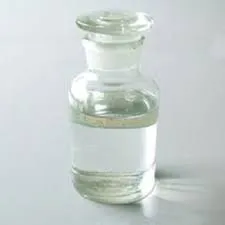
Undecylenic Acid
Role: A powerful fatty acid derived from castor oil, widely recognized for its strong antifungal properties. It works by preventing the growth of fungus and helps to disrupt fungal cell walls.
Typically 10-25% topical concentration
Tea Tree Oil
Role: Known for its antiseptic, antifungal, and antibacterial qualities. It penetrates the nail to target the infection while soothing irritated skin around the nail.
5-10% topical concentration
Aloe Vera Leaf Extract
Role: A renowned natural healer, aloe vera soothes inflammation, moisturizes the skin, and promotes healing. It supports overall skin health around the nail bed.
Various concentrations in topical forms
Organic Flaxseed Oil
Role: Rich in omega-3 fatty acids, flaxseed oil nourishes the nails and skin, promoting strength and resilience. It also has anti-inflammatory properties that can aid recovery.
Topical application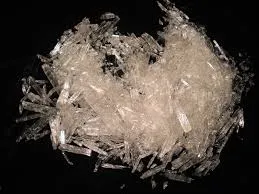
Menthol
Role: Provides a cooling, soothing sensation that can alleviate itching and discomfort associated with fungal infections. It also has mild antiseptic properties.
0.1-1.0% topical concentration
Sweet Almond Oil
Role: A gentle emollient that deeply moisturizes and conditions the skin and nails. It helps to improve nail flexibility and prevent brittleness, which can be exacerbated by fungal infections.
Topical application
Walnut Oil
Role: Contains beneficial fatty acids and antioxidants that support skin and nail health. It helps to strengthen the nail structure and protect against environmental damage.
Topical application
Vitamin E Oil
Role: A powerful antioxidant that supports cell regeneration and helps to repair damaged skin and nails. It moisturizes and improves the overall appearance of affected areas.
Topical applicationKerafen's carefully selected ingredients work synergistically to create an environment that discourages fungal growth while nourishing and protecting your nails and surrounding skin. For those interested in real experiences, you can read more about what users are saying in our Kerafen Reviews: Real Results from Verified Users article.

Ready for Healthier, Clearer Nails?
Don't let persistent nail fungus or foot irritation hold you back. Kerafen offers a potent, all-natural blend designed to target fungal infections and promote robust nail health from the inside out. Experience the difference of a formula crafted with nature's finest ingredients.
- ✓ Supports healthy nail growth
- ✓ Targets fungal infections effectively
- ✓ Soothes irritated skin
- ✓ Made with 100% natural ingredients
- ✓ Backed by a 60-day money-back guarantee




Hear From Our Satisfied Customers
"I struggled with discolored, brittle toenails for years. After trying countless remedies, Kerafen truly made a difference. My nails are finally looking healthier and stronger!"
"This product is a game-changer! My feet feel so much better, and the itching has completely stopped. I've noticed a significant improvement in my nail health. Highly recommend!"
"I was skeptical at first, but Kerafen delivered. My nails are clearer, and the product is easy to use. It's a natural solution that actually works for stubborn nail issues."
Frequently Asked Questions
What is the main difference between athlete's foot and toenail fungus?
+Athlete's foot (tinea pedis) is a fungal infection of the skin on the feet, primarily causing itching, redness, and scaling. Toenail fungus (onychomycosis) is a fungal infection specifically of the toenail itself, leading to discoloration, thickening, and crumbling of the nail.
Can athlete's foot turn into toenail fungus?
+Yes, athlete's foot can spread to the toenails. The same fungi that cause athlete's foot can infect the nail plate, especially if the skin infection is left untreated or if there are minor injuries to the nail or surrounding skin that allow fungal entry.
What are the most effective treatments for athlete's foot?
+Effective treatments for athlete's foot include over-the-counter antifungal creams, sprays, or powders containing ingredients like miconazole, clotrimazole, or terbinafine. For more persistent cases, prescription-strength topical or oral antifungal medications may be necessary.
How long does it take to treat toenail fungus?
+Toenail fungus treatment can be a lengthy process, often taking several months to a year or more. This is because the nail needs to grow out completely for the infected portion to be removed. Oral antifungal medications typically require 6-12 weeks, while topical treatments can take much longer.
Are natural remedies effective for fungal infections?
+Some natural remedies, like tea tree oil, menthol, and certain botanical extracts, have antifungal properties and can be helpful for mild cases or as complementary treatments. However, for severe or persistent infections, medical consultation and conventional treatments are often necessary. Products like Kerafen leverage these natural ingredients for comprehensive support.
When should I see a doctor for a foot or nail infection?
+You should see a doctor if your symptoms don't improve with over-the-counter treatments, if the infection is spreading rapidly, if you have diabetes or a weakened immune system, or if you experience severe pain, redness, or swelling. A proper diagnosis is crucial for effective treatment.
Related Articles