Are Your Pedicures Putting Your Nail Health at Risk?
The allure of a relaxing pedicure is undeniable. There's nothing quite like sinking into a massage chair, soaking your feet, and emerging with perfectly polished, soft skin and beautifully groomed nails. For many, it's a routine act of self-care, a moment of pampering that feels entirely harmless.
However, beneath the soothing bubbles and vibrant polish, a less glamorous reality can lurk: the potential for toenail fungus and other infections. While the vast majority of nail salons prioritize cleanliness, the risk of contracting a fungal infection from a pedicure is a genuine concern that every client should be aware of and actively work to prevent.

The Hidden Dangers: How Nail Salons Can Spread Toenail Fungus
Understanding the pathways through which fungal infections can spread in a nail salon environment is the first step toward safeguarding your nail health. While most salon professionals strive for sterile conditions, lapses can occur, turning a relaxing treat into a potential health hazard.
The primary culprit behind pedicure-related nail fungus (onychomycosis) is often the presence of unsterilized tools and contaminated equipment. Clippers, files, buffers, and even foot spa basins can harbor fungal spores and bacteria if not meticulously cleaned and disinfected between each client. When these tools are used on skin or nails, especially if there are microscopic cuts or abrasions, pathogens can easily gain entry.
Another significant risk factor is the footbath itself. Warm, moist environments are ideal breeding grounds for fungi and bacteria. If footbaths are not thoroughly cleaned, disinfected, and flushed after every client, a biofilm can form, creating a reservoir of microbes. When you soak your feet, these organisms can transfer to your skin and nails, potentially leading to infections like athlete's foot or toenail fungus. Even with liners, the jets and filters can be problematic if not maintained.
Improper nail technician practices also contribute to the risk. Aggressive pushing or cutting of the cuticles, for instance, can break the natural protective barrier of the nail, making it more susceptible to infection. Overly zealous filing or buffing can also weaken the nail plate, creating tiny entry points for fungi. It’s crucial for technicians to be gentle and knowledgeable about nail anatomy and hygiene.
Finally, cross-contamination is a silent threat. A technician might inadvertently transfer fungal spores from one client to another through their hands, towels, or even polish brushes if proper hand hygiene and single-use item policies are not strictly enforced. The sheer volume of clients in a busy salon means that even minor oversight can have widespread implications.
💡 Key Takeaway
Toenail fungus can be acquired from pedicures through unsterilized tools, contaminated footbaths, improper nail care techniques that compromise nail integrity, and cross-contamination. Vigilance and informed choices are essential to mitigate these risks.
Recognizing the Early Signs of Toenail Fungus
Early detection of toenail fungus is crucial for effective treatment and preventing its spread. Knowing what to look for can help you address the issue before it becomes a more stubborn problem.
Discoloration of the Nail
One of the most common early signs is a change in nail color. This can range from white or yellow spots to a brown or even blackish hue. The discoloration often starts at the tip of the nail and gradually spreads towards the cuticle.
Thickening or Distortion
Infected nails may become noticeably thicker, often appearing bulky or misshapen. They might also become brittle, crumbly, or ragged at the edges. This thickening can make trimming difficult and uncomfortable.
Foul Odor
As the fungus thrives beneath the nail, it can produce a distinct, unpleasant odor. This smell is often a strong indicator of a fungal infection, especially if accompanied by other visual symptoms.
Pain or Discomfort
While not always present in early stages, as the infection progresses, it can cause pain, tenderness, or discomfort, especially when wearing shoes or applying pressure to the affected nail. The nail might also lift from the nail bed, a condition called onycholysis.
Dullness and Lack of Luster
Healthy nails have a natural shine and translucence. Fungal nails often appear dull, opaque, and lack their healthy luster. The surface might also become rough or scaly.

Essential Safety Tips for a Fungus-Free Pedicure
While the risks are real, you don't have to give up your beloved pedicures entirely. By being an informed and proactive client, you can significantly reduce your chances of contracting a nail infection.
Firstly, **choose a reputable salon** with visible licenses and a strong emphasis on hygiene. Don't be afraid to ask about their sterilization procedures. A truly professional salon will be transparent and proud of their cleanliness standards. Look for salons that use medical-grade autoclaves for metal tools, which sterilize instruments using heat and pressure, effectively killing all microbes. If they use UV light boxes, be aware that these are not substitutes for proper sterilization; they are merely for storage.
Secondly, **observe the sterilization practices** firsthand. Are metal tools removed from sealed, sterile pouches in front of you? Are footbath liners changed and basins thoroughly scrubbed and disinfected between each client? If a salon uses pipeless foot spas, ensure they have a rigorous cleaning protocol for all internal components. If anything looks questionable, politely excuse yourself.
Consider **bringing your own sterilized tools**. This is perhaps the most foolproof way to ensure your clippers, files, and buffers are free from contamination. Many regular pedicure clients invest in their own high-quality set, which they bring to each appointment. This eliminates any doubt about shared tools.
Crucially, **avoid having your cuticles cut**. The cuticle acts as a natural protective barrier, sealing the area between the nail and the skin, preventing bacteria and fungi from entering. Pushing them back gently is generally fine, but cutting them removes this vital defense, leaving your nails vulnerable to infection. Similarly, be wary of aggressive filing or digging under the nail, which can also create microscopic entry points for pathogens.
If you have any **cuts, scrapes, or open wounds** on your feet or legs, it's best to postpone your pedicure until they have fully healed. These open areas are direct invitations for bacteria and fungi to enter your bloodstream. Even small hangnails or nicks can pose a risk. Protecting your immune system is also vital for fighting off infections. Learn more about the immune-system-nail-fungus-connection.html and how it impacts your nail health.
After your pedicure, **practice good post-pedicure care**. Keep your feet clean and dry, especially between your toes. Wear breathable shoes and socks made from moisture-wicking materials to prevent a damp environment where fungi thrive. Regularly inspect your nails for any changes, and address concerns promptly. For tips on long-term prevention, see our article on how-to-prevent-toenail-fungus-returning.html.
When to Seek Professional Help for Nail Infections
Persistent Symptoms
If you notice persistent discoloration, thickening, or crumbling of your nails that doesn't improve with over-the-counter remedies or home care, it's time to see a doctor. Early intervention can prevent the infection from becoming more severe and harder to treat.
Pain or Discomfort
Any pain, tenderness, swelling, or redness around the nail indicates a more advanced infection, potentially bacterial alongside fungal. A doctor can accurately diagnose the type of infection and prescribe appropriate treatment to alleviate discomfort and prevent further complications.
Underlying Health Conditions
Individuals with diabetes, compromised immune systems, or peripheral vascular disease are at higher risk for severe complications from nail infections. For these individuals, even minor infections warrant immediate medical attention to prevent serious health issues like cellulitis or ulcers.
Spreading Infection
If the infection appears to be spreading to other nails, the surrounding skin, or causing widespread discomfort, professional help is essential. A doctor can recommend systemic treatments or stronger topical medications to control the spread and eradicate the fungus effectively.
Understanding Treatment Options for Toenail Fungus
Once toenail fungus takes hold, it can be notoriously difficult to eliminate. However, a range of treatment options exist, from traditional medical interventions to natural remedies, offering hope for clearer, healthier nails.
Traditional medical treatments often include oral antifungal medications, such as terbinafine or fluconazole. These pills are highly effective but come with potential side effects, including liver damage, and typically require several months of consistent use. They work by helping a new, fungus-free nail grow out slowly, replacing the infected portion.
Another common approach is topical prescription lacquers or creams. These are applied directly to the nail and nail bed. While generally safer than oral medications, they may be less effective for severe infections because they struggle to penetrate the thick nail plate sufficiently. Consistent daily application over many months is crucial for success.
For some, laser therapy offers an alternative. This treatment uses focused light energy to target and destroy the fungus beneath the nail. It's often effective and has few side effects, but it can be expensive and may require multiple sessions, with results varying among individuals.
Many people also explore various home remedies, such as applying tea tree oil, vinegar soaks, or Vicks VapoRub. While some individuals report anecdotal success with these methods, scientific evidence supporting their efficacy is often limited, and they may not be strong enough to eradicate established infections. It's important to understand that there are no truly "fast cures" for toenail fungus, as the nail needs time to grow out. You can learn more about this in our article on how-to-cure-toenail-fungus-fast.html.
When considering treatment, it's essential to consult with a healthcare professional to determine the best course of action for your specific condition and overall health. They can provide an accurate diagnosis and guide you toward the most appropriate and effective treatment plan.
💡 Key Takeaway
Treatment for toenail fungus ranges from oral medications and prescription topicals to laser therapy and natural remedies. The best approach depends on the severity of the infection and individual health factors, always requiring patience and consistency.
Kerafen: A Natural Approach to Supporting Nail Health
For those seeking a natural, topical solution to complement their nail care regimen and address fungal concerns, Kerafen offers a carefully formulated blend of ingredients known for their beneficial properties. Kerafen is designed to support the nail's natural defenses and promote healthy growth.
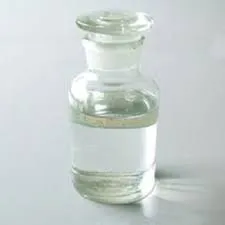
Undecylenic Acid
Role: A fatty acid derived from castor oil, Undecylenic Acid is a powerful natural antifungal agent. It helps inhibit the growth of fungi and yeasts, creating an unfavorable environment for fungal infections to thrive on the nail and surrounding skin.
Typical topical dosage: 10-25%
Tea Tree Oil
Role: Renowned for its potent antiseptic, antifungal, and antibacterial properties, Tea Tree Oil (Melaleuca alternifolia) is a staple in natural health. It helps combat various pathogens, reduces inflammation, and can penetrate the nail to target the infection at its source.
Typical topical dosage: 5-100%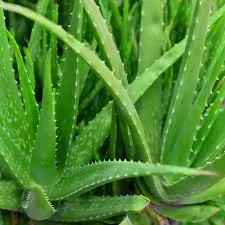
Aloe Vera Leaf Extract
Role: A succulent plant extract known for its soothing, healing, and anti-inflammatory properties. Aloe Vera promotes skin regeneration, moisturizes the nail bed, and supports overall nail health, aiding in the recovery of damaged tissue.
Typical topical dosage: 0.1-10%
Vitamin E Oil
Role: A powerful antioxidant, Vitamin E protects nail cells from oxidative damage and free radicals. It deeply moisturizes and nourishes the nails and cuticles, promoting strength, elasticity, and healthy growth, which is vital for recovery from infection.
Typical topical dosage: 0.1-5%
Organic Flaxseed Oil
Role: Rich in Omega-3 fatty acids, flaxseed oil possesses anti-inflammatory properties that can soothe irritated skin around the nail. It also provides essential nutrients that support nail strength and hydration, contributing to a healthier nail environment.
Typical topical dosage: 1-10%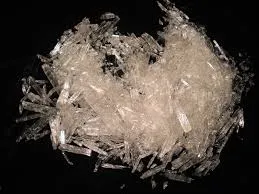
Menthol
Role: Derived from peppermint or other mint oils, Menthol provides a cooling and soothing sensation. It can help alleviate discomfort and has mild antiseptic properties, contributing to a clean and fresh feeling on the affected area.
Typical topical dosage: 0.1-1%
Sweet Almond Oil
Role: A lightweight, nourishing oil rich in vitamins A, E, and D, as well as essential fatty acids. It deeply moisturizes and conditions the nails and cuticles, promoting flexibility and preventing brittleness, which can be exacerbated by fungal infections.
Typical topical dosage: 1-10%
Walnut Oil
Role: Packed with Omega-3 and Omega-6 fatty acids, as well as antioxidants, walnut oil provides deep nourishment. It supports skin and nail barrier function, helping to protect against environmental stressors and promoting a healthier, more resilient nail plate.
Typical topical dosage: 1-5%
Restore Your Nails to Their Natural Radiance with Kerafen
If you're tired of hiding your feet and battling stubborn toenail fungus, Kerafen offers a promising, natural solution. Formulated by experts, this powerful topical treatment is designed to penetrate deep, targeting fungal infections while nourishing your nails back to health.
- ✓ Advanced Natural Antifungal Formula
- ✓ Promotes Healthy Nail Growth
- ✓ Soothes and Hydrates Cuticles
- ✓ Easy and Convenient Topical Application
- ✓ Made with High-Quality, Researched Ingredients




What Our Customers Say About Kerafen
"I was so embarrassed by my toenails after a bad pedicure experience. Kerafen has been a game-changer. My nails are finally looking clearer and healthier, and I feel confident showing my feet again!"
"After trying several products with no luck, Kerafen was a pleasant surprise. The natural ingredients really made a difference, and I appreciate the gentle approach. My nails are stronger and the discoloration is fading."
"I've been using Kerafen for a few months now, and I'm amazed at the improvement. My nails are growing out healthy, and the previous thickness is almost gone. It's easy to apply and has become a part of my daily routine."
Frequently Asked Questions
How common is toenail fungus from pedicures?
+While exact statistics vary, studies suggest that nail salons can be a source of fungal and bacterial infections if proper hygiene protocols are not strictly followed. Factors like unsterilized tools and contaminated footbaths significantly increase the risk, making it a concern for many regular pedicure enthusiasts. It's not rare, and prevention is key.
What are the most important safety tips when getting a pedicure?
+Prioritize salons with visible sterilization practices, such as using autoclaves for metal tools and fresh liners for footbaths. Consider bringing your own sterilized tools, avoid having your cuticles cut, and inspect the salon's overall cleanliness. Don't hesitate to ask staff about their hygiene procedures and observe their practices carefully.
Can I get other infections besides fungus from a nail salon?
+Yes, besides fungal infections (like athlete's foot or onychomycosis), nail salons can also transmit bacterial infections (such as staph or strep), viral infections (like warts), and even mycobacterial infections if tools or footbaths are not properly disinfected. Open wounds, even microscopic ones, can be entry points for these pathogens.
How can I tell if a nail salon is truly clean and safe?
+Look for several indicators: a valid and visible license, a clean and odor-free environment, technicians who wash their hands between clients, new or sterilized tools opened from sealed pouches, disposable liners for footbaths, and proper ventilation. Ask to see their sterilization equipment and don't be shy about observing their procedures.
What should I do if I suspect I've contracted nail fungus from a pedicure?
+If you notice any unusual changes in your nails after a pedicure – such as discoloration, thickening, crumbling, or pain – consult a dermatologist or healthcare professional promptly. Early diagnosis and treatment are crucial to prevent the infection from worsening or spreading. Over-the-counter and prescription treatments, along with natural solutions like Kerafen, can be discussed with your doctor.
Is Kerafen a suitable solution for nail fungus acquired from a salon?
+Kerafen is formulated with a blend of natural ingredients known for their antifungal and nail-supporting properties, such as Undecylenic Acid, Tea Tree Oil, and Vitamin E. It's designed to penetrate the nail and address fungal infections while promoting healthy nail growth. As a topical solution, it can be a valuable part of a comprehensive treatment plan for mild to moderate cases, especially when combined with good hygiene. Always consult with a healthcare professional to determine the best course of action for your specific condition.
Related Articles