Is a Persistent, Foul Odor Emitting from Your Toenails?
You're not alone. Many individuals suffering from toenail fungus, medically known as onychomycosis, experience an embarrassing and often distressing smell emanating from their infected nails. This isn't just an aesthetic concern; it's a clear signal that something significant is happening beneath the surface of your nail.
Understanding the root causes of this unpleasant aroma is the first step towards effective treatment and reclaiming your foot health. The odor is not merely a side effect; it's a direct consequence of the fungal and bacterial activity, signalling a need for intervention. Let's delve into what causes this issue and explore comprehensive solutions to tackle both the infection and its unmistakable, unwanted smell.
The Unwelcome Scent: What Exactly Causes Nail Fungus Odor?
The distinctive, often foul or cheesy smell associated with toenail fungus is more than just an inconvenience; it's a direct byproduct of microbial activity and decomposition occurring within and around the infected nail. Understanding the specific mechanisms behind this odor is key to effective treatment.
At its core, the odor from a fungal nail infection (onychomycosis) is a complex interplay between the fungi themselves and often, co-existing bacteria. Fungi, particularly dermatophytes which are responsible for the majority of toenail infections, thrive in warm, moist, and dark environments. They feed on keratin, the primary protein that makes up your nails, skin, and hair. As these fungi metabolize and break down the nail's keratin, they release various waste products and volatile organic compounds (VOCs). These VOCs often contain sulfur compounds, which are notorious for their strong, unpleasant smells, akin to rotten eggs or stale cheese. This decomposition process creates a unique biochemical signature that we perceive as the characteristic nail fungus odor.
Furthermore, the compromised nail structure—often thickened, discolored, and crumbling—creates an ideal habitat for bacteria. The debris accumulated under and within the infected nail, combined with trapped moisture and warmth, becomes a perfect breeding ground for various bacterial species. These bacteria then contribute their own metabolic byproducts as they feast on the fungal debris and dead nail tissue. Bacterial decomposition often produces a more pungent, sour, or truly foul odor, intensifying the overall malodor. This secondary bacterial infection is quite common and can significantly worsen both the smell and the overall health of the nail. Therefore, treating nail fungus effectively often requires addressing both the fungal and potential bacterial components to thoroughly eliminate the smell and promote healing.
💡 Key Takeaway
The foul odor from nail fungus is a complex result of fungal breakdown of keratin and secondary bacterial decomposition, releasing pungent sulfur compounds and other volatile organic chemicals. Effective treatment must target both the fungal infection and associated bacterial growth to eliminate the smell.
Beyond the Smell: Other Common Symptoms of Toenail Fungus
While the unpleasant odor is a tell-tale sign, toenail fungus presents with a range of other visible and tactile symptoms. Recognizing these can help you identify the problem early and seek timely intervention.
The most common visible symptom of onychomycosis is a change in nail color. Infected nails often appear yellow, brown, or white, and can sometimes turn a dark, almost black color due to debris accumulation or severe discoloration. This discoloration typically starts at the tip of the nail and gradually spreads towards the cuticle. Another prominent symptom is thickening of the nail. The nail plate can become abnormally thick, making it difficult to trim and sometimes causing pressure and pain when wearing shoes. This thickening is due to the fungal overgrowth within the nail bed.
In addition to discoloration and thickening, infected nails often become brittle, crumbly, or ragged. The nail may easily break or chip, and pieces of the nail can separate from the nail bed, a condition known as onycholysis. This separation creates more space for fungi and bacteria to thrive, exacerbating the infection and odor. The texture of the nail surface can also change, becoming dull and lacking its natural luster. In advanced stages, the nail might lift entirely from the nail bed, or even detach from the toe. Pain or discomfort, especially when walking or standing for long periods, can also occur as the thickened nail presses against footwear or the nail bed becomes inflamed. While not everyone experiences all these symptoms, the presence of several of them, particularly alongside the characteristic odor, strongly suggests a fungal nail infection. Early detection and treatment are crucial to prevent the infection from spreading and causing more severe complications.
Who's at Risk? Understanding the Factors for Nail Fungus
Toenail fungus doesn't discriminate, but certain factors can significantly increase your susceptibility to developing this stubborn infection. Identifying these risks can help in prevention.
Age and Circulation
As we age, blood circulation to the feet can decrease, and nails may become thicker and grow slower, making them more vulnerable to fungal infections. Older adults are statistically more prone to onychomycosis due to cumulative exposure and weakened immune responses.
Excessive Sweating & Moisture
Individuals with hyperhidrosis (excessive sweating) or those who frequently wear occlusive footwear (like athletic shoes or work boots) create an ideal warm, moist environment for fungi to proliferate. This dampness softens the nail, making it easier for fungi to penetrate.
Public Spaces Exposure
Walking barefoot in public areas such as swimming pools, gyms, showers, and locker rooms exposes your feet to various fungi. These environments are hotbeds for fungal spores, making direct contact a common route of infection.
Weakened Immune System
People with compromised immune systems, such as those with diabetes, HIV/AIDS, or individuals undergoing chemotherapy, are more susceptible to fungal infections. Their bodies are less able to fight off pathogens, allowing fungi to take hold more easily.
Previous Injuries or Trauma
Any injury to the nail or skin around it, such as a stubbed toe, tight shoes, or repeated microtrauma from sports, can create an entry point for fungi. These breaches in the skin or nail barrier make it easier for pathogens to establish an infection.
Diagnosing Nail Fungus: When to See a Professional
While many symptoms of toenail fungus are visually apparent, a professional diagnosis is crucial for effective treatment, especially because other conditions can mimic fungal infections.
If you suspect you have toenail fungus, it's always best to consult a doctor, particularly a dermatologist or podiatrist. They can accurately diagnose the condition and rule out other issues like psoriasis, bacterial infections, or even simple nail trauma, which can present with similar symptoms but require different treatments. The diagnostic process typically involves a physical examination of the nail. The doctor may then take a small sample of the nail clippings or scrape debris from under the nail. This sample is sent to a laboratory for microscopic examination and sometimes a fungal culture. The microscopic examination helps identify the presence of fungal elements immediately, while a culture can determine the specific type of fungus, which can guide treatment choices. In some cases, a PCR test might be used for a faster and more accurate identification of fungal DNA. Self-diagnosing and attempting to treat what you believe is fungus without confirmation can lead to ineffective remedies, delayed healing, and potential worsening of the actual condition. A proper diagnosis ensures you receive the most appropriate and targeted treatment, setting you on the fastest path to healthy, odor-free nails.
Treatment Approaches: From Traditional to Modern Solutions
Treating toenail fungus requires patience and persistence, with various options available depending on the severity and individual preference. Here’s a look at common approaches.
Topical Antifungals
These are often the first line of defense for mild to moderate infections. Available as lacquers, creams, or solutions, they are applied directly to the infected nail. While convenient, their effectiveness can be limited because they struggle to penetrate the thick nail plate to reach the fungal infection underneath. Consistency is key, and treatment can last for several months to over a year.
Oral Antifungal Medications
For more severe or stubborn infections, doctors may prescribe oral antifungal pills. Medications like terbinafine or itraconazole are highly effective as they work systemically, reaching the fungus through the bloodstream. However, they come with potential side effects, including liver damage, and require regular monitoring through blood tests. Treatment typically lasts 6-12 weeks.
Laser Therapy
A newer, non-invasive option, laser therapy uses concentrated light energy to heat and destroy the fungus beneath the nail. It's generally safe with few side effects, but multiple sessions are often required, and it can be quite costly as it's often not covered by insurance. The effectiveness varies, and new nail growth still takes time.
Surgical Removal
In rare, severe cases where other treatments have failed, or the nail is causing extreme pain, temporary or permanent surgical removal of the infected nail may be considered. This allows direct application of antifungal agents to the nail bed, but it's an invasive procedure and not typically the first choice.
Complementary Home Remedies and Prevention Strategies
While professional medical advice is paramount for treating established infections, several home remedies and preventive measures can support healing and prevent recurrence.
Maintaining impeccable foot hygiene is the cornerstone of both prevention and complementary treatment. Regularly wash your feet with soap and water, paying special attention to the areas between your toes and under your nails. Ensure your feet are thoroughly dried afterward, as moisture is a fungal friend. Trimming your nails straight across and keeping them short can prevent trauma and reduce areas for fungi to hide. Using clean, sharp clippers dedicated solely to infected nails can prevent cross-contamination. Soaking your feet in diluted solutions of apple cider vinegar or Epsom salts can help create an environment less hospitable to fungi and bacteria, potentially reducing odor and softening the nail for better penetration of other treatments. Some individuals also find relief using topical applications of natural oils like tea tree oil, known for its antifungal properties, though it should always be diluted and patch-tested first. For more details on natural approaches, you might find our article on best-antifungal-nail-supplement-2026-top-picks.html useful.
Beyond direct application, environmental control is critical. Wear clean, breathable socks made of moisture-wicking materials (like synthetic blends or wool) and change them daily, or even more frequently if your feet sweat a lot. Opt for shoes made of natural materials like leather or canvas that allow your feet to breathe, and avoid tight, restrictive footwear. Allow shoes to air out completely between wears, and consider using antifungal powders or sprays inside your shoes to kill lingering spores. Never walk barefoot in public communal areas such as locker rooms, swimming pools, or public showers; always wear flip-flops or shower sandals. Disinfect your nail clippers and files after each use, or use disposable ones. If you get pedicures, ensure the salon uses properly sterilized tools or bring your own. By integrating these practices into your daily routine, you create a less welcoming environment for fungi, supporting the efficacy of treatments and significantly reducing the risk of recurrence.
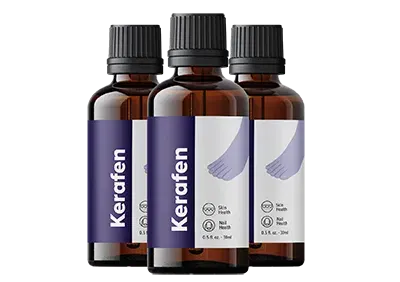
Introducing Kerafen: A Natural Approach to Nail Health and Odor Control
Amidst the various treatment options, many individuals seek natural, gentle yet effective solutions. Kerafen emerges as a promising topical serum designed to address both the fungal infection and its associated odor through a blend of potent natural ingredients.
Kerafen is formulated as an easy-to-apply liquid serum that aims to penetrate the nail bed to combat the fungal infection at its source. Its creators understand that the unpleasant smell is a significant concern, and thus, the ingredients are selected not only for their antifungal properties but also for their ability to soothe, protect, and provide a refreshing sensation. The philosophy behind Kerafen is to leverage the power of nature to restore nail health without the harsh chemicals often found in pharmaceutical options. The formula is designed to be absorbed quickly, delivering its active compounds directly to the affected area. By targeting the fungi that cause the breakdown of keratin and create the foul odor, Kerafen works to eliminate the source of the problem while also supporting the growth of healthy, clear nails. This dual-action approach makes it a comprehensive choice for those struggling with the symptoms of onychomycosis, including the embarrassing smell. For those interested in real-world experiences, you can explore user testimonials on our page about kerafen-reviews-real-results.html.
Key Ingredients in Kerafen and Their Role
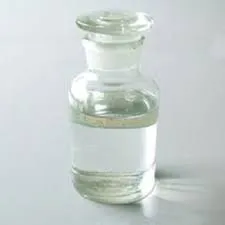
Undecylenic Acid
Role: A powerful fatty acid derived from castor oil, widely recognized for its potent antifungal properties. It works by inhibiting the growth of fungi, disrupting their cell walls, and preventing them from spreading. It's a key player in combating the root cause of the infection and subsequently, the odor.
Typically 10-25% concentration in topical solutions
Tea Tree Oil (Melaleuca Alternifolia)
Role: Renowned for its natural antiseptic, antifungal, and antibacterial properties. It helps to kill fungal spores and bacteria that contribute to the infection and the foul smell. Its refreshing aroma also provides an immediate deodorizing effect, making it a valuable addition to Kerafen.
5-10% pure oil, diluted for topical use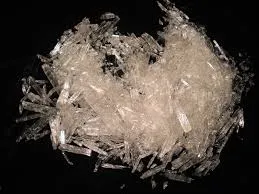
Menthol
Role: Provides a cooling and soothing sensation, which can alleviate discomfort and itching associated with fungal infections. More importantly, its strong, refreshing scent acts as a natural deodorizer, helping to mask and reduce the unpleasant odor while the active ingredients work to eliminate the fungus.
1-5% concentration for topical relief
Aloe Vera Leaf Extract
Role: A natural moisturizer and anti-inflammatory agent. Aloe Vera helps soothe irritated skin around the nail, promotes healing, and provides hydration. While not directly antifungal, it supports overall nail health and creates a healthier environment for the nail to recover.
Extracts often 10-50% in formulations
Organic Flaxseed Oil
Role: Rich in Omega-3 fatty acids, which possess anti-inflammatory properties. It helps nourish the nail and surrounding skin, promoting strength and resilience. A well-nourished nail is better equipped to resist infection and grow out healthy.
Included as a carrier and nourishing agent
Sweet Almond Oil
Role: An excellent emollient, providing deep moisturization to the nail and cuticles. It helps to soften brittle nails, making them less prone to cracking and providing a healthy base for new nail growth. Its mild scent also contributes to a pleasant user experience.
Commonly used as a base oil
Vitamin E Oil
Role: A potent antioxidant that protects cells from damage and supports skin and nail health. It improves circulation to the nail bed and aids in cellular regeneration, essential for growing out a clear, healthy nail. It also helps to keep the nail moisturized and strong.
Often 1-5% in topical applications
Walnut Oil
Role: Rich in omega-3 fatty acids and antioxidants, walnut oil provides nourishing and protective benefits. It helps to strengthen the nail plate and improve its overall appearance, while also contributing to a healthy environment for nail regrowth.
Used for its nourishing and protective properties
Ready to Say Goodbye to Nail Fungus and That Embarrassing Odor?
Kerafen offers a unique blend of natural ingredients specifically chosen to tackle the root cause of nail fungus and its associated smell. Formulated for ease of use and maximum absorption, it’s designed to help you regain healthy, clear, and odor-free nails.
- ✓ Targets Fungal Infection at the Source
- ✓ Eliminates Unpleasant Odor
- ✓ Promotes Healthy Nail Regrowth
- ✓ Soothes and Protects Surrounding Skin
- ✓ All-Natural, Gentle Formula




Proper Application and Expectations with Kerafen
To achieve the best results with any topical treatment, consistent and correct application is paramount. Kerafen is no exception, and understanding what to expect can help manage your journey to healthier nails.
Applying Kerafen is simple and designed for daily use. Typically, a small amount of the serum should be applied directly to the affected nail and surrounding skin, usually twice a day, morning and night. Ensure the area is clean and dry before application. For optimal absorption, gently massage the serum into the nail and cuticle until fully absorbed. Regular trimming of the infected nail can also help the serum penetrate more effectively. Consistency is the most critical factor; skipping applications can significantly prolong the healing process. While the immediate cooling sensation from ingredients like menthol might provide some quick relief from discomfort and an initial reduction in odor, visible improvement in the nail's appearance takes time. Nails grow slowly, and it can take several months for a new, healthy nail to grow out and completely replace the infected portion. Therefore, patience and diligent application over an extended period—often 3 to 6 months, or even longer for severe cases—are necessary. It's also important to continue preventive measures, such as wearing breathable footwear and maintaining good foot hygiene, to prevent re-infection. If you have any questions about the product, you can find more information in our Kerafen reviews 2026 section.
What Our Users Are Saying
"I was so embarrassed by the smell and look of my toenails. Kerafen has been a game-changer! The odor started fading within weeks, and my nails are finally looking healthier. I can wear sandals again!"
"After trying countless other products, Kerafen is the first one that truly made a difference. Not only is the foul smell gone, but the thickness and discoloration are significantly reduced. Highly recommend for anyone struggling with this problem."
"I appreciate that Kerafen uses natural ingredients. It's gentle, easy to apply, and most importantly, it works! My nails are slowly but surely improving, and the horrible smell has completely vanished. So relieved!"
When to Seek Medical Attention for Nail Fungus
While many mild cases of nail fungus can be managed with over-the-counter treatments and diligent home care, there are specific situations where consulting a doctor is imperative.
It’s important to see a healthcare professional if you have diabetes, a compromised immune system, or poor circulation. For these individuals, even a minor nail infection can lead to more serious complications, such as cellulitis or other severe foot infections, which can have significant health consequences. You should also seek medical attention if your nail fungus is causing significant pain, discomfort, or difficulty walking. If the infection appears to be spreading rapidly, or if your nail is becoming increasingly discolored, thickened, or separating from the nail bed, it's time to get professional advice. Furthermore, if over-the-counter treatments or home remedies have not shown any improvement after several weeks or months of consistent use, a doctor can offer stronger prescription options or alternative therapies. They can also confirm the diagnosis, ensuring that you are treating a fungal infection and not another condition that might mimic its symptoms. Early intervention from a medical professional can prevent the infection from worsening and help you achieve clearer, healthier nails more effectively.
Frequently Asked Questions
What exactly causes the foul odor associated with toenail fungus?
+The unpleasant odor from toenail fungus, medically known as onychomycosis, primarily stems from two factors: volatile organic compounds (VOCs) produced by the fungi themselves, and bacterial decomposition. The fungi, as they break down keratin in the nail, release sulfur-containing compounds and other metabolic byproducts that have a distinctive, often cheesy or foul smell. Additionally, the warm, moist, and dark environment under an infected nail, coupled with the debris created by the fungus, becomes an ideal breeding ground for bacteria. These bacteria then further decompose the nail material and fungal waste, intensifying the malodor. Poor hygiene and occlusive footwear can exacerbate this process.
Can the smell of nail fungus indicate the severity of the infection?
+While a strong odor often correlates with a more advanced or active fungal infection, it’s not a definitive indicator of severity on its own. The intensity of the smell can be influenced by several factors, including the specific type of fungus, the presence and type of co-existing bacterial infections, individual hygiene practices, and environmental conditions (like trapped moisture in shoes). A mild infection might still produce a noticeable smell, especially if hygiene is suboptimal, while a severe infection could potentially have a less pronounced odor if kept very clean. It's best to rely on visual symptoms and professional diagnosis for assessing severity.
Are there any effective home remedies to reduce nail fungus odor while seeking treatment?
+Yes, several home remedies can help manage the odor associated with nail fungus while you pursue a more definitive treatment plan. Regularly cleaning and drying your feet, especially between toes and under nails, is crucial. Soaking your feet in a solution of warm water with Epsom salts, apple cider vinegar, or diluted tea tree oil can help reduce bacterial load and fungal activity, thereby lessening the smell. Applying antifungal powders to your shoes and socks, wearing breathable footwear, and changing socks frequently can also make a significant difference. Remember, these are palliative measures and not cures for the underlying fungal infection.
How long does it take for the odor to disappear after starting treatment for nail fungus?
+The time it takes for the odor to disappear after starting nail fungus treatment varies greatly depending on the severity of the infection, the type of treatment chosen, and individual response. Generally, with effective treatment, you might notice a reduction in odor within a few weeks as the fungal and bacterial load decreases. However, complete elimination of the odor usually coincides with the visible improvement and eventual clearing of the infected nail, which can take several months. This is because the new, healthy nail must grow out completely, replacing the old, infected one. Consistency with treatment and good foot hygiene are key to faster results.
Can wearing certain types of shoes or socks worsen the smell of toenail fungus?
+Absolutely. Certain types of footwear and hosiery can significantly exacerbate the smell of toenail fungus. Shoes made from non-breathable synthetic materials (like plastic or rubber) trap moisture and heat, creating a perfect breeding ground for fungi and bacteria. Similarly, socks made from cotton or other moisture-retaining fabrics can hold sweat against your skin, promoting microbial growth. Opting for shoes made of natural, breathable materials like leather or canvas, and wearing moisture-wicking socks made from synthetic blends or wool, can help keep feet dry and reduce the conditions that amplify odor.
Is Kerafen a suitable option for addressing both the nail fungus and the associated odor?
+Kerafen is formulated with a blend of natural ingredients known for their antifungal and antiseptic properties, such as Undecylenic Acid, Tea Tree Oil, and Menthol. These ingredients are designed to target the fungal infection directly, helping to eliminate the fungi responsible for breaking down keratin and producing odor-causing compounds. Additionally, ingredients like Menthol provide an immediate refreshing effect, which can help mask and reduce existing odors. By addressing the root cause (the fungus) and providing immediate relief, Kerafen aims to be a comprehensive solution for both the infection and its associated unpleasant smell. For best results, it should be used consistently as directed.
Related Articles