Are You Giving Your Feet the Attention They Deserve?
In the hustle and bustle of daily life, our feet often bear the brunt of our activities, yet they are frequently overlooked when it comes to consistent care. This neglect can, unfortunately, pave the way for a myriad of issues, with toenail fungus and other nail infections being among the most common and persistent.
Understanding the critical role of diligent foot hygiene isn't just about aesthetics; it's about safeguarding your overall health and preventing painful, unsightly, and potentially debilitating conditions. This comprehensive guide, penned by Dr. Jessica Turner, a leading Dermatological Health Researcher, will equip you with essential practices and insights to maintain pristine foot health and ensure your nails remain strong and clear. We'll explore everything from daily washing routines to the impact of footwear, and even how natural solutions can complement your efforts, helping you achieve optimal nail health and robust infection prevention.

Understanding Toenail Fungus and Nail Infections
Before we dive into prevention, it's crucial to understand what we're up against. Toenail fungus, medically known as onychomycosis, is a common condition that begins as a white or yellow spot under the tip of your fingernail or toenail. As the fungal infection goes deeper, it can cause your nail to discolor, thicken, and crumble at the edge.
These infections are primarily caused by dermatophytes, a type of fungi that thrive in warm, moist environments. Yeasts and molds can also cause nail infections. Your feet are particularly susceptible because they are often confined in shoes and socks, creating the ideal breeding ground for these microorganisms. Factors like age, compromised immune systems, diabetes, athlete's foot, heavy perspiration, and minor skin or nail injuries can all increase your risk. Left untreated, toenail fungus can lead to pain, permanent nail damage, and may even spread to other nails or skin. For individuals with diabetes, a nail infection can pose a more serious threat, potentially leading to foot ulcers or other severe complications due to reduced blood flow and nerve damage.
Recognizing the early signs is paramount. Look out for changes in nail color (yellow, brown, or white), thickening or distortion of the nail, brittleness, crumbling edges, or a foul odor. If you suspect an infection, prompt action can make a significant difference in treatment success and preventing spread. While this article focuses on prevention, understanding the nature of the enemy is the first step in building a strong defense.
💡 Key Takeaway
Toenail fungus (onychomycosis) is a prevalent condition caused by fungi thriving in warm, moist conditions. Early detection of symptoms like discoloration or thickening is vital, as untreated infections can lead to pain, permanent damage, and serious complications for at-risk individuals.
The Foundation of Foot Health: Daily Hygiene Practices
Your daily routine forms the bedrock of nail infection prevention. Simple, consistent habits can make a profound difference in keeping your feet healthy and free from fungal invaders. Neglecting these fundamentals can undermine even the best preventative measures.
Thorough Washing and Drying
Wash your feet daily with mild soap and water. Pay special attention to cleaning between your toes, where moisture and debris can accumulate. After washing, the most critical step is to dry your feet completely. Use a clean towel and gently pat every crevice, ensuring no dampness remains. Fungi thrive in moist environments, so a dry foot is a happy, healthy foot.
Proper Nail Trimming Technique
Trim your toenails regularly, ideally every 2-4 weeks, to keep them short and manageable. Always cut them straight across, not curved, to prevent ingrown toenails. Avoid cutting them too short or digging into the corners, as this can create tiny openings for bacteria and fungi to enter. Use clean, sharp clippers dedicated solely to your toenails and disinfect them after each use.
Moisturize, But Wisely
While moisturizing is excellent for preventing dry, cracked skin, which can also be an entry point for infections, be mindful of where you apply it. Moisturize the tops and bottoms of your feet, but avoid applying lotion between your toes. This area needs to remain as dry as possible to deter fungal growth. Opt for non-comedogenic, breathable foot creams.
Regular Self-Inspection
Make it a habit to inspect your feet and nails regularly. Look for any changes in color, texture, or shape of your nails, as well as any redness, swelling, or peeling skin on your feet. Early detection of issues like athlete's foot or minor nail changes can allow for quicker intervention, preventing a small problem from escalating into a full-blown infection. Catching issues early is key to maintaining healthy nails.
Mindful Pedicures and Nail Salons
If you enjoy pedicures, choose reputable salons that adhere to strict hygiene standards. Ensure they sterilize their instruments thoroughly between clients or, even better, bring your own disinfected tools. Avoid cutting cuticles, as they act as a natural barrier against infection. A healthy cuticle helps protect the nail matrix from environmental pathogens. For more insights into maintaining nail health through various approaches, consider reading our guide to the best nail health supplements.

Smart Footwear Choices: Your First Line of Defense
What you put on your feet every day plays an enormous role in preventing nail infections. Your footwear can either protect your feet or create the perfect breeding ground for fungi. Making smart choices here is just as important as your washing routine.
Firstly, opt for breathable materials. Shoes made of natural materials like leather, canvas, or mesh allow air to circulate around your feet, reducing moisture and heat buildup. Avoid synthetic materials like plastic or rubber for everyday wear, as they trap sweat and create a damp, warm environment that fungi adore. Rotate your shoes regularly, giving each pair at least 24 hours to air out and dry completely before wearing them again. This simple practice can significantly reduce the fungal load in your footwear.
Secondly, ensure your shoes fit properly. Shoes that are too tight can put pressure on your nails, leading to micro-traumas that make them vulnerable to infection. Conversely, shoes that are too loose can cause friction and blistering. Always try on shoes at the end of the day when your feet are slightly swollen to ensure a comfortable fit. Leave enough room for your toes to wiggle freely. Consider wearing moisture-wicking socks made from synthetic fibers or wool, which draw sweat away from your skin. Cotton socks, while comfortable, tend to absorb and retain moisture, which is counterproductive. Change your socks daily, or even more frequently if your feet tend to sweat excessively.
Finally, be cautious in public spaces. Always wear shower shoes or sandals in communal areas like locker rooms, public showers, swimming pools, and gyms. These are notorious hotspots for fungal spores, and walking barefoot dramatically increases your risk of exposure. Bringing your own clean footwear for these environments is a non-negotiable step in comprehensive prevention.
Beyond the Basics: Advanced Prevention Strategies
While daily hygiene and proper footwear are fundamental, there are additional strategies you can incorporate to fortify your defenses against persistent nail infections. These practices address specific risk factors and add extra layers of protection.
Regular Shoe Disinfection
Even with rotation, shoes can harbor fungal spores. Regularly spray the inside of your shoes with an antifungal spray, especially athletic shoes. You can also use UV shoe sanitizers or simply allow them to air out in direct sunlight, which has natural antimicrobial properties. For persistent issues, consider replacing old, worn-out shoes, as they can be a continuous source of reinfection.
Antifungal Powders and Sprays
If you have particularly sweaty feet or live in a humid climate, incorporating antifungal powders or sprays into your routine can be highly beneficial. Apply them to your feet, especially between the toes, and inside your shoes and socks before wearing them. These products help absorb moisture and create an environment less hospitable to fungal growth, acting as an extra barrier of protection.
The Role of Diet and Nutrition
A strong immune system is your body's best defense against all infections, including fungal ones. A balanced diet rich in vitamins, minerals, and antioxidants supports overall health and immunity. Specifically, foods high in probiotics can help maintain a healthy microbial balance in your body, potentially reducing the susceptibility to fungal overgrowth. For a deeper dive into how supplements can aid this, refer to our nail fungus supplement buying guide for 2026.
Addressing Underlying Health Conditions
Certain medical conditions, such as diabetes, peripheral artery disease, and weakened immune systems, significantly increase the risk of nail infections. If you have any of these conditions, diligent foot care is even more critical. Work closely with your healthcare provider to manage your condition effectively, and regularly check your feet for any abnormalities. Early intervention for any foot issue is crucial in these cases.
When Natural Support Can Make a Difference
While strict hygiene practices are your primary defense, certain natural ingredients can offer additional support in preventing nail infections and promoting overall nail health. Many plant-based compounds possess inherent antifungal, antibacterial, and nourishing properties that can complement your routine, especially when seeking a gentle, holistic approach.
Ingredients such as tea tree oil, known for its potent antiseptic qualities, and menthol, which provides a cooling sensation while also having some antimicrobial effects, are frequently utilized in topical applications. Aloe vera and various essential oils like sweet almond oil or flaxseed oil offer deep moisturization and help to strengthen the nail plate, making it more resilient against external threats. These natural components work synergistically to create an environment less conducive to fungal proliferation while simultaneously fostering nail strength and appearance. Incorporating products that leverage these botanical benefits can be a proactive step in your infection prevention strategy. For those interested in exploring topical solutions, Kerafen offers a blend of such ingredients, designed to support nail health and provide a protective barrier. It’s important to remember that these natural aids are most effective as preventative measures or for supporting healthy nails, rather than as standalone cures for established, severe infections.
By integrating these natural elements, you're not just fighting potential infections; you're also nurturing your nails and the surrounding skin, promoting a vibrant and healthy appearance. This holistic approach ensures that your feet receive comprehensive care, from prevention to nourishment, laying the groundwork for long-term nail wellness. For a comparative look at different solutions, you might find our article on the best antifungal nail supplements of 2026 insightful.
Kerafen: A Natural Approach to Nail Health Support
Kerafen is formulated with a powerful blend of natural ingredients, each carefully selected for its ability to support nail health and provide a protective environment against common infections. This topical solution is designed to work in harmony with your diligent hygiene practices, offering an extra layer of defense and nourishment.
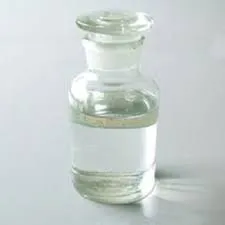
Undecylenic Acid
Role: A powerful fatty acid derived from castor oil, widely recognized for its strong antifungal properties. It works by inhibiting the growth of fungi, making it a key component in preventing and managing nail infections.
Topical application
Tea Tree Oil
Role: Known for its potent antiseptic, antifungal, and antibacterial properties. Tea Tree Oil helps to cleanse the nail and surrounding skin, creating a hostile environment for pathogens while reducing inflammation.
Topical application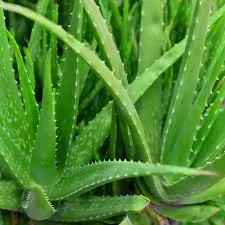
Aloe Vera Leaf Extract
Role: A renowned soothing agent, Aloe Vera provides intense hydration and promotes skin healing. Its anti-inflammatory properties help calm irritated skin around the nail, supporting overall nail bed health.
Topical application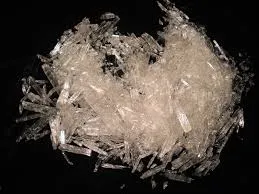
Menthol
Role: Offers a cooling and soothing sensation, which can alleviate discomfort associated with irritated skin. It also possesses mild antiseptic properties, contributing to a cleaner, healthier nail environment.
Topical application
Organic Flaxseed Oil
Role: Rich in Omega-3 fatty acids, this oil deeply nourishes the nail and cuticle, promoting strength and flexibility. It helps to prevent brittleness and cracking, making nails less susceptible to infection.
Topical application
Sweet Almond Oil
Role: An excellent emollient, it provides deep moisturization to the nails and skin. It's packed with vitamins E and A, which are crucial for repairing and protecting skin, ensuring a healthy nail matrix.
Topical application
Vitamin E Oil
Role: A powerful antioxidant, Vitamin E helps protect cells from damage and supports healthy circulation, which is vital for nail growth. It also deeply moisturizes, preventing dry, brittle nails.
Topical application
Walnut Oil
Role: Contains essential fatty acids and antioxidants that nourish and strengthen the nails. It helps to improve nail elasticity and resistance to breakage, contributing to overall nail resilience.
Topical application
Take Control of Your Nail Health Today with Kerafen
Don't let nail infections hold you back from living your life confidently. Kerafen offers a natural, powerful way to support your body's defense against common nail issues, complementing your daily hygiene routine. Formulated with a blend of potent ingredients, Kerafen is designed to promote healthy, strong, and clear nails from the comfort of your home.
- ✓ Supports natural nail health
- ✓ Formulated with potent natural ingredients
- ✓ Easy and convenient topical application
- ✓ Made in the USA in a GMP-certified facility
- ✓ Backed by a 60-day money-back guarantee




What Our Customers Are Saying
"I was skeptical at first, but Kerafen has truly made a difference. My nails look healthier and stronger than they have in years. I pair it with my daily foot care routine, and the results are fantastic. Highly recommend for anyone struggling with nail issues."
"After trying various products, Kerafen is the one that finally delivered noticeable improvements. The natural ingredients give me peace of mind, and my toenails are slowly but surely regaining their healthy appearance. It's become an essential part of my foot hygiene."
"My podiatrist recommended I focus more on preventative foot care, and Kerafen fit perfectly into that advice. It’s easy to apply, and I’ve seen a positive change in the strength and clarity of my nails. No more brittle edges!"
Frequently Asked Questions
What are the most crucial daily foot hygiene practices to prevent nail infections?
+The most crucial daily practices include thoroughly washing your feet with soap and water, paying special attention to the spaces between your toes, and drying them completely. Additionally, changing socks daily and wearing breathable footwear are essential to maintain a dry environment, which is hostile to fungal growth.
How often should I trim my toenails, and what's the correct technique?
+Toenails should ideally be trimmed every 2-4 weeks, or as needed, to keep them short and clean. Always trim them straight across, avoiding cutting them too short or rounding the corners, which can lead to ingrown nails and increase infection risk. Use clean, sharp clippers dedicated to toenails.
Can my footwear contribute to toenail fungus, and what should I look for in shoes?
+Yes, your footwear plays a significant role. Shoes that are too tight, non-breathable, or made of synthetic materials can trap moisture and create a warm, damp environment perfect for fungal growth. Opt for shoes made of breathable materials like leather or canvas, ensure they fit properly, and rotate them regularly to allow them to dry out.
What are the early signs of a toenail infection, and when should I seek professional help?
+Early signs of a toenail infection (onychomycosis) often include a subtle discoloration (yellow, white, or brown), thickening of the nail, or a slightly brittle texture. As it progresses, the nail may become distorted, crumbly, or emit a foul odor. You should seek professional help from a podiatrist or dermatologist if you notice these signs, especially if they worsen or cause pain, as early intervention can prevent more severe complications.
Are natural remedies effective for preventing toenail infections, and how do they work?
+Many natural ingredients possess antifungal and antiseptic properties that can be beneficial in preventing toenail infections. Ingredients like tea tree oil, menthol, and aloe vera are known for their ability to inhibit fungal growth and soothe skin. While they may not cure established infections on their own, incorporating them into a daily foot care routine, perhaps via topical solutions like Kerafen, can significantly support nail health and ward off potential invaders.
How does Kerafen fit into a comprehensive foot hygiene routine for nail infection prevention?
+Kerafen is formulated with a blend of natural ingredients known for their antifungal, antibacterial, and nourishing properties, designed to complement a robust foot hygiene routine. By applying Kerafen topically, you can provide your nails and surrounding skin with a protective barrier and essential nutrients. It works alongside proper washing, drying, and footwear choices to create an environment less hospitable to fungi, strengthening nails and promoting their healthy appearance.
Related Articles