Are natural remedies the answer to stubborn toenail fungus?
Toenail fungus, or onychomycosis, is a persistent and often embarrassing condition affecting millions worldwide. Characterized by discolored, thickened, and brittle nails, it can be incredibly challenging to treat, often requiring long-term commitment to various therapies. While pharmaceutical options exist, many individuals seek gentler, natural alternatives, leading to a growing interest in essential oils.
But how much scientific evidence supports the use of these aromatic extracts for fungal infections? And what's the safest and most effective way to apply them? This comprehensive guide delves into the world of essential oils, examining their antifungal properties, reviewing the available evidence, and providing practical application tips to help you reclaim healthy, clear nails.
Understanding Toenail Fungus: The Persistent Foe
Before exploring natural remedies, it's crucial to understand what you're up against. Toenail fungus, medically known as onychomycosis, is more than just a cosmetic concern; it's a genuine infection that can lead to discomfort and, in severe cases, pain or secondary bacterial infections.
Onychomycosis is primarily caused by a type of fungus called dermatophytes, though yeasts (like Candida) and molds can also be culprits. These microscopic organisms thrive in warm, moist, and dark environments, making your shoes and socks a perfect breeding ground. Once they infect the nail, they burrow deep into the nail bed, making them notoriously difficult to eradicate. Common signs include a yellow, brown, or white discoloration, thickening of the nail, brittleness, crumbling edges, and sometimes a foul odor.
The challenge in treating nail fungus lies in its location. The hard nail plate acts as a protective barrier, preventing many topical treatments from reaching the fungal colony effectively. Oral antifungal medications are available, but they often come with potential side effects and require long treatment courses, prompting many to seek alternative or complementary therapies.
💡 Key Takeaway
Toenail fungus is a common, stubborn infection caused by fungi thriving in warm, moist conditions. Its deep location under the nail makes it hard to treat, driving demand for effective, gentle natural solutions like essential oils.
The Promise of Essential Oils: Nature's Antifungals
Essential oils are concentrated plant extracts known for their aromatic and therapeutic properties. Many have been traditionally used for their antimicrobial, anti-inflammatory, and antifungal characteristics. The active compounds within these oils, such as terpenes, phenols, and aldehydes, are believed to disrupt fungal cell membranes and inhibit their growth.
Natural Origin
Derived directly from plants, essential oils offer a holistic approach to health, appealing to those who prefer remedies free from synthetic chemicals. Their complex chemical structures provide a broad spectrum of activity.
Antifungal Properties
Numerous studies, primarily in vitro (test tube) settings, have demonstrated the potent antifungal capabilities of certain essential oils against various fungal strains, including those responsible for onychomycosis. They can inhibit fungal growth and even destroy fungal cells.
Anti-inflammatory Effects
Fungal infections can cause inflammation and discomfort. Many essential oils possess anti-inflammatory properties that can help soothe irritated skin and reduce swelling around the infected nail, improving overall comfort.
Improved Nail Appearance
Beyond fighting the fungus, some essential oils also nourish the nail and surrounding skin, promoting healthier nail growth and improving the overall appearance of damaged nails as they heal. This can help restore confidence.
Accessibility and Ease of Use
Essential oils are widely available and, when used correctly, can be easily incorporated into a daily self-care routine. Their topical application offers a non-invasive option compared to oral medications or surgical procedures.
Evidence-Backed Essential Oils for Nail Fungus
While research is ongoing, several essential oils have shown particular promise in laboratory studies and anecdotal reports for their antifungal capabilities. It's important to note that most human studies are small, and more large-scale clinical trials are needed to definitively prove efficacy.
One of the most widely recognized essential oils for fungal infections is Tea Tree Oil (Melaleuca alternifolia). Originating from Australia, it contains terpinen-4-ol, a compound with strong antifungal and antiseptic properties. Numerous studies have shown its ability to inhibit the growth of various dermatophytes and yeasts. A study published in the *Journal of Applied Microbiology* found that tea tree oil was effective against a range of fungal strains, making it a popular choice for topical application. For insights into faster cures, you might find our article on how to cure toenail fungus fast helpful.
Oregano Oil (Origanum vulgare) is another powerhouse, containing carvacrol and thymol, two potent antifungal and antibacterial compounds. Research in the *Journal of Medicinal Food* indicated that oregano oil exhibited significant antifungal activity against Candida albicans and other fungal species. Its strength means it must always be heavily diluted before skin application to prevent irritation.
Clove Oil (Syzygium aromaticum), rich in eugenol, has also demonstrated broad-spectrum antimicrobial activity, including antifungal effects. Studies have highlighted its efficacy against dermatophytes. Eugenol is a powerful compound, so dilution is non-negotiable.
Lavender Oil (Lavandula angustifolia), while perhaps less potent than tea tree or oregano, offers gentler antifungal properties alongside its renowned soothing and anti-inflammatory benefits. It can be a good option for sensitive skin and may help calm irritation associated with fungal infections.
Other essential oils that have shown some antifungal activity include Peppermint Oil (Mentha piperita), Thyme Oil (Thymus vulgaris), and Lemongrass Oil (Cymbopogon citratus). Each contains unique chemical components that contribute to their therapeutic effects. The key to successful application lies in consistency and proper technique.
Application Guide: How to Use Essential Oils Safely & Effectively
Using essential oils for toenail fungus requires careful attention to dilution, application, and safety. Improper use can lead to skin irritation or allergic reactions. Always prioritize safety.
Dilution is Crucial
Never apply undiluted essential oils directly to your skin or nails. They are highly concentrated and can cause severe irritation, burns, or sensitization. Always dilute them with a carrier oil such as jojoba oil, coconut oil, sweet almond oil, or olive oil. A common dilution ratio is 1-5% essential oil to carrier oil (e.g., 3-5 drops of essential oil per teaspoon of carrier oil).
Patch Test First
Before applying a new essential oil blend to your entire affected area, perform a patch test. Apply a small amount of the diluted oil to an inconspicuous area of your skin (e.g., inner forearm) and wait 24 hours to check for any adverse reactions like redness, itching, or swelling. If irritation occurs, discontinue use.
Prepare Your Nails
For optimal penetration, trim and file your nails regularly. Gently file down any thickened areas of the infected nail. Wash your feet thoroughly with soap and water, then dry them completely, especially between the toes. This removes debris and moisture that fungi love.
Consistent Application
Apply the diluted essential oil blend directly to the affected nail and the surrounding skin twice daily, typically in the morning and before bed. Use a cotton swab or dropper for precise application. Gently massage the oil into the nail and cuticle area to encourage absorption. Consistency over several months is vital for results.
Foot Hygiene
Maintain excellent foot hygiene. Wear clean, breathable socks (preferably cotton or wool) and alternate shoes daily to allow them to dry out. Avoid going barefoot in public places like locker rooms and pools. Keeping your feet dry and clean is paramount to preventing reinfection. For more tips on prevention, see our guide on nail care tips for fungus-prone prevention and hygiene.
Consult a Professional
If your condition worsens, doesn't improve after several months, or if you have underlying health conditions like diabetes or circulatory issues, consult a doctor or dermatologist. Essential oils should not replace medical treatment for severe infections. They can complement it.
Beyond Essential Oils: The Role of Other Natural Ingredients
While essential oils are powerful, they are often most effective when combined with other natural compounds that support nail health, enhance penetration, or provide additional antifungal action. A multi-ingredient approach can offer a more robust defense against stubborn fungal infections.
Many effective natural remedies incorporate ingredients that improve the local environment, nourish the nail, or offer their own unique antifungal properties. For example, Undecylenic Acid, a fatty acid derived from castor oil, is a potent antifungal agent approved by the FDA for topical use. It works by preventing the growth of fungus on the skin and nails.
Vitamin E Oil is renowned for its antioxidant properties and its ability to promote healthy skin and nail growth. It helps to repair damaged cells and can improve the overall appearance and strength of the nail plate, which is crucial during the long recovery process from a fungal infection. Similarly, Sweet Almond Oil and Organic Flaxseed Oil are excellent carrier oils that also provide nourishing fatty acids, vitamins, and minerals that moisturize and protect the nail and cuticle, aiding in overall nail regeneration.
Ingredients like Menthol not only provide a cooling sensation but also possess mild antiseptic properties that can contribute to a clean environment for the nail to heal. Aloe Vera is famous for its soothing and healing properties, which can be beneficial for irritated skin around the infected nail. These ingredients, when combined thoughtfully, can create a synergistic effect, where their combined action is greater than the sum of their individual parts.
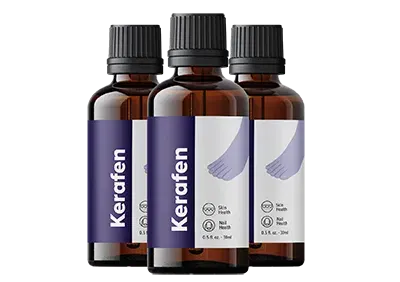
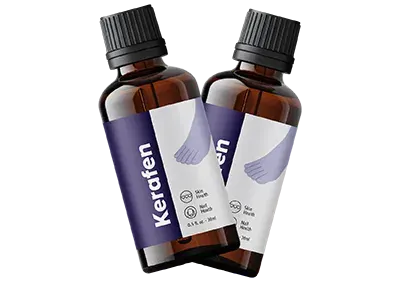
This comprehensive approach is often found in professionally formulated natural solutions. For example, the Kerafen formula leverages this synergy by combining several potent essential oils with other beneficial natural compounds to deliver a powerful, yet gentle, attack on nail fungus while supporting healthy nail regrowth. Such formulations are often designed for optimal absorption and sustained action, addressing the multifaceted nature of fungal infections. You can learn more about customer experiences and results by reading our Kerafen before and after customer results article.
Introducing Kerafen: A Synergistic Natural Solution
While individual essential oils can be helpful, the challenge often lies in proper dilution, consistent application, and ensuring comprehensive antifungal action. Kerafen is a carefully formulated topical solution designed to overcome these hurdles, combining some of nature's most effective ingredients for nail health.
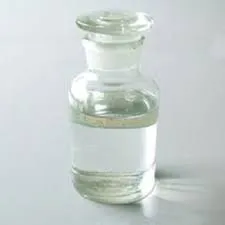
Undecylenic Acid
Role: Potent Antifungal
FDA-approved fatty acid known for inhibiting fungal growth.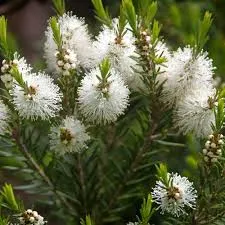
Tea Tree Oil
Role: Antifungal & Antiseptic
A well-researched essential oil with strong antifungal properties.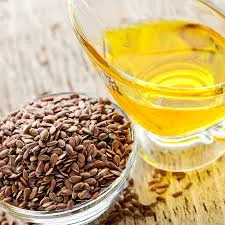
Organic Flaxseed Oil
Role: Nourishing Carrier & Antioxidant
Rich in Omega-3s, promotes nail health and aids absorption.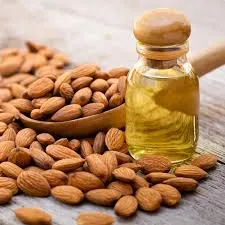
Sweet Almond Oil
Role: Moisturizing Carrier
Deeply hydrates and conditions nails and cuticles.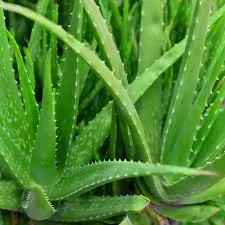
Aloe Vera
Role: Soothing & Healing
Calms irritation and supports skin regeneration.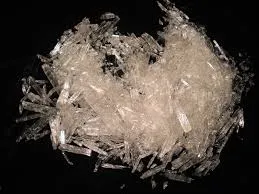
Menthol
Role: Cooling & Antiseptic
Provides a refreshing sensation and mild antimicrobial effect.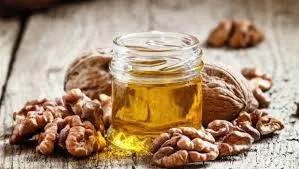
Walnut Oil
Role: Nourishing & Protecting
Rich in vitamins and antioxidants for nail strength.
Vitamin E Oil
Role: Antioxidant & Repair
Supports nail repair and protects against damage.
Experience the Kerafen Difference: A Comprehensive Approach to Nail Health
Kerafen is more than just another essential oil blend; it's a meticulously crafted formula designed to tackle toenail fungus effectively while nurturing your nails back to health. Our unique combination of powerful antifungals and nourishing botanical extracts works synergistically to deliver visible results.
- ✓ Targets Fungus Directly: Potent ingredients like Undecylenic Acid and Tea Tree Oil fight the infection.
- ✓ Promotes Healthy Regrowth: Nourishing oils support the growth of strong, clear nails.
- ✓ Soothes & Protects: Ingredients like Aloe Vera and Menthol calm irritation and protect the skin.
- ✓ Easy & Safe Application: Pre-formulated blend ensures proper dilution and ease of use.
- ✓ 100% Natural & GMP Certified: Made with high-quality, natural ingredients in a GMP-certified facility.



Real People, Real Results with Kerafen
"I've tried so many things for my toenail fungus, but Kerafen is the first product that actually made a visible difference. My nails are finally clearing up and look healthier than they have in years. Highly recommend!"
"After months of embarrassment, Kerafen gave me my confidence back. The application is easy, and I started seeing new, clear growth within a few weeks. It's truly a game-changer for stubborn nail infections."
"I was skeptical about natural remedies, but Kerafen proved me wrong. The blend of oils feels great, and my nails are no longer thick and discolored. It's a fantastic, gentle alternative that really works."
Frequently Asked Questions
What is toenail fungus and why is it so hard to treat?
+Toenail fungus, or onychomycosis, is an infection beneath the nail surface caused by dermatophytes, yeasts, or molds. It's notoriously difficult to treat because the fungus lives deep within the nail bed, protected by the hard nail plate, making it challenging for topical treatments to penetrate effectively. Traditional oral medications come with potential side effects, and recurrence rates can be high.
How effective are essential oils for treating nail fungus?
+While scientific evidence for essential oils as standalone treatments is still emerging and often based on small studies, many essential oils possess natural antifungal properties that can inhibit fungal growth. Oils like Tea Tree, Oregano, and Clove oil have demonstrated significant antifungal activity in lab settings. Their effectiveness in real-world application depends on consistent use, proper dilution, and the severity of the infection. They are often best used as part of a comprehensive approach.
What are the best essential oils for toenail fungus, and how should I apply them?
+Top essential oils include Tea Tree Oil (antifungal, antiseptic), Oregano Oil (potent antifungal), Clove Oil (broad-spectrum antimicrobial), and Lavender Oil (antifungal, soothing). To apply, always dilute essential oils with a carrier oil (like jojoba, coconut, or almond oil) at a 1-5% concentration. Apply a few drops to the affected nail and surrounding skin twice daily after washing and drying your feet. Gently massage it in to ensure absorption. Consistency is key for any noticeable results.
Are there any risks or side effects when using essential oils for nail fungus?
+Yes, essential oils are highly concentrated and can cause skin irritation, allergic reactions, or photosensitivity if not used correctly. Always perform a patch test on a small area of skin before widespread application. Never apply undiluted essential oils directly to the skin, especially on broken or irritated areas. Some oils are not suitable for pregnant women, children, or individuals with certain medical conditions. Consult a healthcare professional or certified aromatherapist before use.
How long does it take to see results from essential oils or natural remedies?
+Treating toenail fungus naturally requires significant patience and persistence. Nails grow slowly, and it can take several months to a year for a new, healthy nail to fully replace an infected one. You might start to see subtle improvements in color or texture within a few weeks, but complete resolution and regrowth of a clear nail can take 6 to 18 months. Consistent daily application is crucial throughout this period.
How does Kerafen compare to using individual essential oils for nail fungus?
+Kerafen offers a synergistic blend of scientifically-backed natural ingredients, including several potent essential oils, carrier oils, and other antifungal compounds, specifically formulated for optimal penetration and efficacy against nail fungus. Unlike single essential oils, Kerafen is designed to target the infection from multiple angles, reduce inflammation, and promote healthy nail regrowth. It eliminates the guesswork of dilution and blending, providing a convenient, pre-formulated solution with a strong safety profile.
Related Articles